

Tyrosine is one of the most common inclusions in pre workout supplements, yet most people scrolling the ingredients panel have no real idea what it does. It sits quietly behind the caffeine and the citrulline, doing unglamorous but important work inside your brain chemistry. This guide breaks down exactly what the amino acid does, how much you actually need, and whether it deserves a permanent place in your supplement stack.
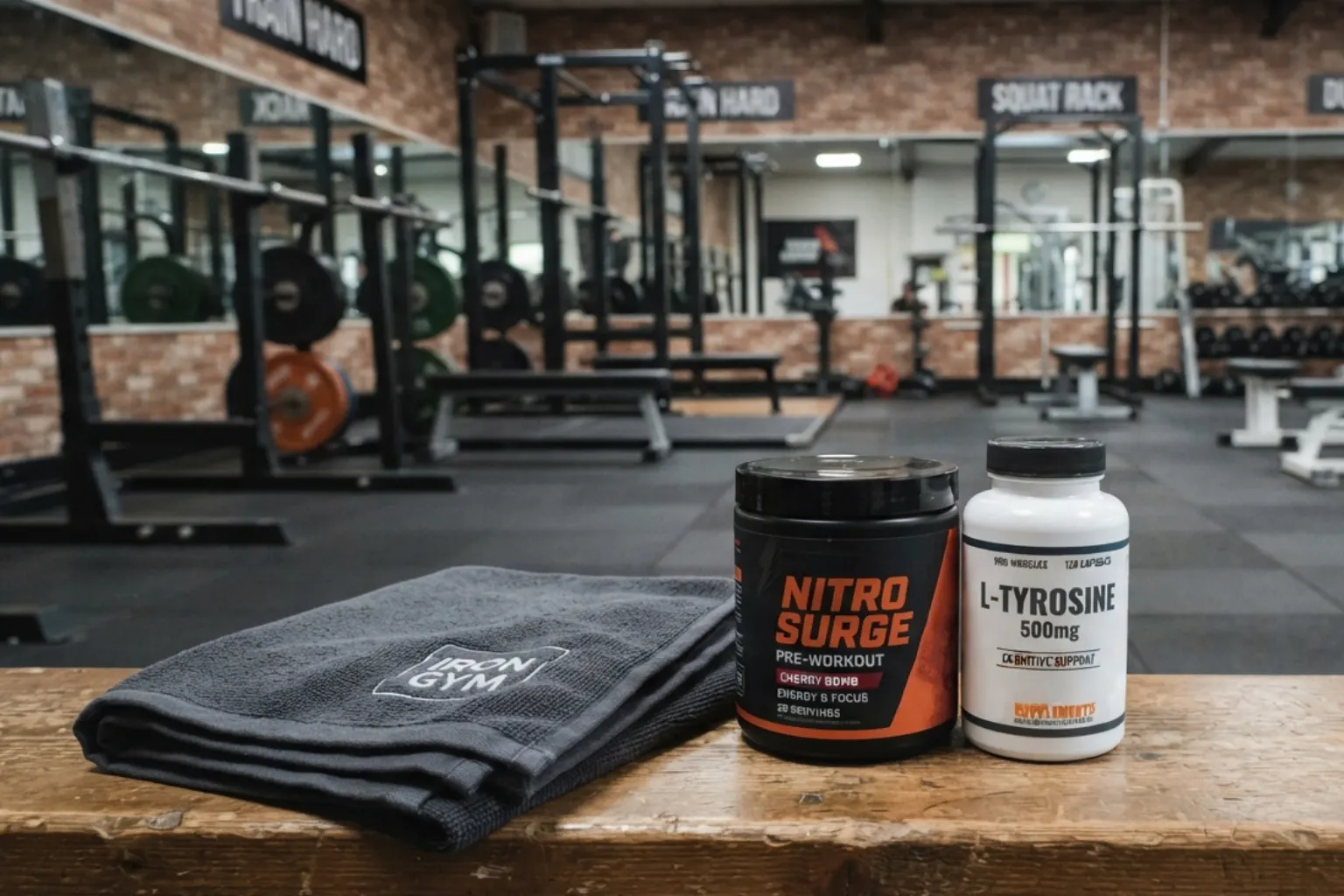
Long before it became a pre workout staple, tyrosine was already well known in military and aviation research for one specific reason. It is the raw material your brain uses to help build dopamine and noradrenaline, the two chemical messengers behind motivation, alertness and the ability to concentrate under pressure. That is why it has become the go to ingredient for anyone chasing mental sharpness rather than just physical output from their pre workout.
What Is Tyrosine?
Tyrosine is classed as a conditionally essential amino acid. Your body can make it from another amino acid called phenylalanine, but under heavy physical or mental stress your natural production can fall short of what your brain actually needs. That gap is exactly where supplemental intake steps in.
You are already eating tyrosine every day without realising it. It occurs naturally in high protein foods including dairy, eggs, fish, chicken, nuts and legumes such as lentils and chickpeas. The issue for athletes and busy professionals is that getting a clinically useful dose from food alone during a stressful training block or a chaotic work week is genuinely difficult, which is why the supplement form has become so widely used in Australian pre workout supplements.
Benefits of Tyrosine
The research here reads a little differently to most other supplement categories. Rather than promising huge, universal results, the science points to a specific and genuinely useful role.
Here is what a well researched dose of tyrosine can offer:
- Supports mental performance during acute stress such as sleep deprivation, cold exposure, loud environments or high pressure training sessions
- May help reduce the mental fog and short term memory dip that shows up when you are multitasking under pressure
- Helps maintain focus and working memory during demanding cognitive tasks, based on controlled trials using doses matched to body weight
- Appears to support steady mood and alertness when paired with stimulants like caffeine in a pre workout blend
It is worth being upfront that tyrosine is not a guaranteed strength or endurance booster. Review level research on physical performance in heat and fatigue has produced mixed results, with some trials showing no meaningful difference between it and a placebo for pure athletic output. Where it consistently earns its place is in the cognitive and focus space rather than as a strength enhancer.
How Tyrosine Works in the Body
Understanding how this process works makes the dosage and timing advice below much easier to apply.
Tyrosine sits partway along a chemical production line. Phenylalanine is converted into tyrosine, which is then converted into a compound called L DOPA, and L DOPA is then converted into dopamine. Dopamine goes on to become noradrenaline and eventually adrenaline. This pathway is the reason it gets described as a precursor rather than a stimulant. It does not force your nervous system into overdrive the way caffeine does. Instead, it simply makes sure your brain has enough raw material on hand to keep producing dopamine and noradrenaline when demand spikes, such as during a heavy final set or a stressful afternoon at work.
This is also why it tends to matter most when you are already under load. Studies consistently show the clearest benefits appear when subjects are exposed to cold, noise, sleep loss or intense physical demand, rather than when they are simply sitting at rest. If your nervous system is not under any real pressure, there is less of a gap for it to fill.
Typical Tyrosine Dosage and Timing
Dosage in the research is generally scaled to body weight rather than a single flat number, which is different to most pre workout ingredients.
| Goal | Typical Dose | Timing |
|---|---|---|
| General focus support in a pre workout blend | 500 to 2000 milligrams | 30 to 60 minutes before training |
| Research backed dose for acute stress or demanding sessions | 100 to 150 milligrams per kilogram of body weight | About 60 minutes before the stressor |
| Splitting a larger dose to reduce stomach upset | Half the dose, then the remainder 30 minutes later | Two doses across the hour before training |
Most Australian pre workout blends sit on the lower end of this range, typically between 500 milligrams and 1 gram per serve, since it is combined with several other active ingredients rather than dosed on its own. If you are chasing the higher clinical doses used in stress research, a standalone tyrosine powder will get you there more precisely than a proprietary blend.
Possible Side Effects and Safety
Tyrosine has a strong safety record across the research, particularly at doses used short term. Reported side effects are uncommon and tend to be mild, including stomach upset, headache or a slightly wired feeling if taken alongside a heavy dose of caffeine.
There are a few genuine precautions worth knowing. Tyrosine is not recommended for anyone taking MAOI medications due to a risk of a hypertensive reaction, and caution is advised for people with hyperthyroidism, Graves disease or those on levodopa for Parkinsons disease, since it sits on the same metabolic pathway as thyroid hormone. Pregnant or breastfeeding women should avoid supplemental intake simply because the research in this group is lacking rather than because harm has been shown. Always consult a healthcare professional before starting new supplements, particularly if you take any prescription medication.
Supplements That Contain Tyrosine
Tyrosine shows up across a wide range of Australian pre workout and nootropic formulas rather than being sold as a dedicated standalone product very often.
EHPlabs Pride Pre Workout pairs tyrosine with taurine specifically to smooth out the drop off in focus that often follows a big stimulant hit. ATP Science Pre Plus, a HASTA certified option made in Brisbane, includes a full gram of the amino acid alongside cordyceps and caffeine for what the brand positions as a clean, banned substance free formula. ATP Science also runs tyrosine alongside Alpha GPC in their Area 51 blend, a combination aimed squarely at mental dialing in rather than raw stimulation.
You can find the ATP pre workout supplement here – Buy ATP Pre Plus
As an Amazon Associate, I earn from qualifying purchases, which helps support the content we create for you.
FAQ
Does tyrosine actually help with focus?
The research is genuinely encouraging for focus under stress specifically. Multiple controlled trials show tyrosine supports working memory and concentration during cold exposure, sleep deprivation and high pressure tasks, although the effect is less obvious when you are already well rested and relaxed.
What is the best tyrosine dosage for training?
Most people get a useful effect from 500 milligrams to 2 grams taken 30 to 60 minutes before training. Research level doses go higher, scaled at 100 to 150 milligrams per kilogram of body weight, but this is generally only necessary if you are chasing the exact protocol used in the clinical studies.
Can I take tyrosine every single day?
Short term daily use, up to around three months, appears safe in the available research. It is not typically cycled the way some stimulants are, although most people naturally only use it on training days as part of their pre workout.
Does tyrosine feel like caffeine?
No, and this is one of the most common misunderstandings. Tyrosine is a precursor rather than a stimulant, so it will not give you an energetic hit on its own. Its role is supporting the brain chemistry behind focus, which is why it is almost always paired with caffeine rather than used by itself for energy.
Is it safe to stack tyrosine with caffeine?
Yes, this is the most common way tyrosine is used in Australian supplements. The pairing is designed to give you the alertness of caffeine without as sharp a crash, since it helps support the neurotransmitters caffeine temporarily stimulates.
The Final Word
Tyrosine will not replace a solid training programme or a good night of sleep, but the research genuinely supports its role in one specific area.
- Tyrosine is a precursor to dopamine and noradrenaline, the neurotransmitters behind focus and motivation
- Its clearest benefits show up under acute stress, sleep deprivation or demanding cognitive load rather than at rest
- A useful dose ranges from 500 milligrams in a blended pre workout up to 150 milligrams per kilogram of body weight in research protocols
- Side effects are rare at standard doses, though anyone on MAOI medication or with thyroid conditions should speak to a doctor first
Final Thoughts
Tyrosine has earned its spot in Australian pre workouts for good reason, even if it will never be as flashy as creatine or as instantly noticeable as caffeine. Its job is quieter, supporting the exact brain chemistry that determines whether you walk into a heavy session sharp and locked in or foggy and distracted.
If focus, not just physical output, is what tends to fall apart during your toughest sessions, it is one of the more evidence backed ingredients worth looking for on the label. As with any supplement, check with a healthcare professional before adding it to your routine, particularly if you take other medications.
