
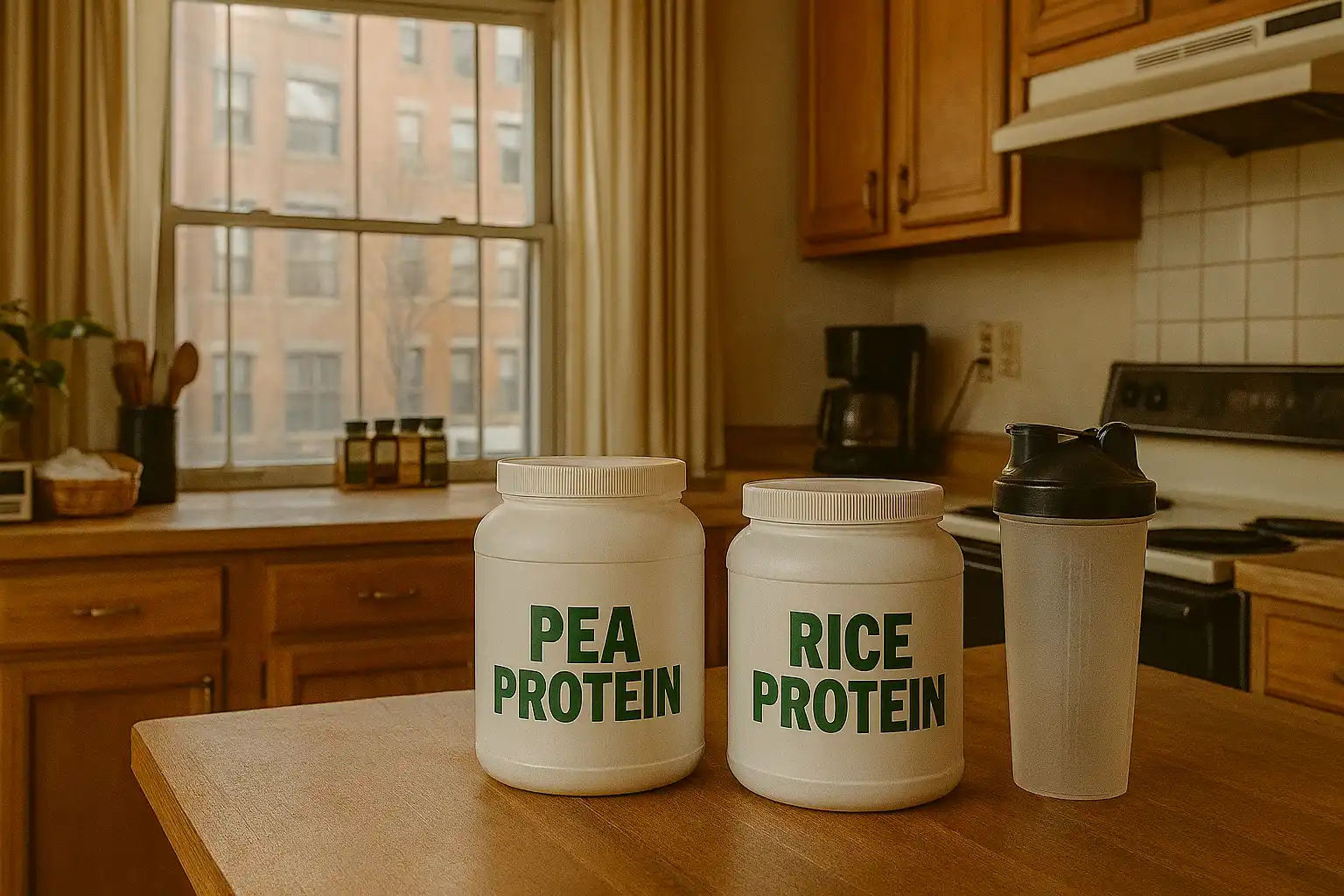

When it comes to plant-based protein powders, the debate between pea protein vs rice protein is one of the most common questions among gym-goers and athletes looking for a clean, vegan-friendly source of nutrition. Both are high-quality, plant-derived proteins that offer impressive benefits for muscle growth, recovery, and overall health, but they’re not identical. Understanding their strengths, weaknesses, and how they complement each other can help you choose the right one for your goals.
As more people shift towards plant-based nutrition, these two proteins have emerged as front-runners for anyone avoiding dairy or soy. While they share some similarities, pea protein and rice protein differ in amino acid profiles, digestion rates, and taste, which can influence your performance and results. So which is the best, let the pea protein vs rice protein battle begin!
What is pea protein?
Pea protein is derived from yellow split peas (Pisum sativum) and is known for being one of the most easily digestible plant proteins available. It’s made by isolating the protein from the starch and fibre of the pea, creating a fine powder that’s rich in branched-chain amino acids (BCAAs), the same key aminos found in whey protein.
Pea protein is naturally free from common allergens such as gluten, soy, and dairy, making it an excellent choice for people with sensitivities. It’s often used in vegan protein blends, meal replacement shakes, and even plant-based meats due to its neutral flavour and smooth texture when mixed properly.
What is rice protein?
Rice protein is typically extracted from brown rice, where enzymes are used to separate the carbohydrates from the protein. It has a slightly grainier texture and milder taste than pea protein but still offers solid nutrition.
While rice protein is not considered a complete protein on its own, because it’s low in lysine, it’s still a great source of cysteine and methionine, two amino acids that support muscle recovery and metabolism. When combined with pea protein, it creates a complementary amino acid profile that rivals animal-based sources like whey or egg protein.
Benefits of pea protein
Before comparing them directly, it’s helpful to look at the specific advantages of pea protein. Here’s what makes it a strong contender for anyone serious about plant-based nutrition.
Key benefits of pea protein include:
- Rich in BCAAs: Supports muscle repair, growth, and post-workout recovery.
- Highly digestible: Gentle on the stomach, with minimal bloating or discomfort.
- Allergen-free: Ideal for those avoiding dairy, soy, or gluten.
- Satiating and filling: Helps reduce hunger and supports weight management.
- Supports heart health: Naturally cholesterol-free and may assist in lowering blood pressure.
Benefits of rice protein
Rice protein has its own strengths, particularly for athletes who prefer a lighter, faster-digesting option. Here’s a closer look at what it offers.
Notable benefits of rice protein include:
- Quick digestion: Ideal for use immediately after workouts for faster amino acid absorption.
- Smooth amino release: Provides sustained energy without heaviness or bloating.
- Low allergen risk: Suitable for almost all dietary needs and sensitivities.
- Supports fat metabolism: Contains methionine, which helps the body process fats effectively.
- Neutral flavour: Easy to mix with other proteins or ingredients.
How they compare nutritionally: Pea Protein vs Rice Protein
To really understand pea protein vs rice protein, it helps to see how they stack up in terms of macronutrients and amino acids. The following comparison shows their typical nutritional profiles per 30g serving (values may vary slightly by brand).
| Nutrient | Pea Protein | Rice Protein |
|---|---|---|
| Protein | 23–25g | 22–24g |
| Carbohydrates | 1–2g | 2–3g |
| Fat | 1–2g | 0.5–1g |
| Calories | 110–130 | 120–140 |
| BCAAs | High | Moderate |
| Digestibility | Excellent | Good |
| Lysine | High | Low |
| Methionine | Moderate | High |
Together, these two proteins create a nearly perfect amino acid balance. Many vegan supplement brands blend them in a 70:30 or 80:20 ratio (pea to rice) to achieve optimal nutritional coverage and better taste.
So, we are about half way through. Have you decided who has won in the great Pea Protein vs Rice Protein debate?
How they work in the body
Pea and rice protein are both metabolised in ways that support muscle protein synthesis, the process responsible for muscle repair and growth after exercise.
- Pea protein triggers a strong anabolic response due to its high leucine content, one of the main amino acids that activates muscle repair.
- Rice protein digests slightly faster, making it effective for quick post-workout recovery, while also supporting metabolic functions thanks to its methionine content.
Together, they create a complementary effect: pea protein’s BCAAs support strength and endurance, while rice protein’s lighter digestion aids nutrient uptake and energy replenishment.
Typical dosage & timing: Pea Protein vs Rice Protein
Most athletes and active individuals take 20–30 grams of either protein per serving, depending on their dietary protein needs.
For best results:
- Take pea protein after training or as a mid-day shake for muscle recovery.
- Use rice protein in the morning, before workouts, or in combination with pea protein for balanced amino coverage.
Combining both provides an excellent all-round option for daily use, supporting muscle recovery, energy, and satiety.
Possible side effects & safety
Both pea and rice protein are safe and well tolerated by most people. However, some may experience mild bloating or gas when introducing new protein sources, especially if consuming large doses.
Always start with smaller servings and increase gradually as your body adapts. Both proteins are free from major allergens, but as always, consult a healthcare professional before starting new supplements or major dietary changes.
Who should consider pea or rice protein?
These proteins suit a wide range of users, including:
- Vegans and vegetarians looking for a complete, dairy-free protein option.
- People with allergies as an alternative to whey, casein, or soy.
- Athletes and gym-goers who want a lighter alternative for post-workout recovery.
- Anyone focusing on clean eating, with minimal additives or artificial ingredients.
If you’re looking for a single-source plant protein, pea protein may have the edge. But for the best amino acid balance and texture, a blend of pea and rice protein is often ideal.
Supplements that contain pea and rice protein
You’ll find both of these ingredients in many popular vegan and plant-based supplements on the Australian market.
Some examples include:
- BSc Clean Plan Protein
- EHP Labs Blessed Plant Protein
- Macro Mike Smooth Pea Protein
- Ghost Vegan Protein
- INC Plant Protein
- PranaOn Power Plant Protein
- Natures Way Instant Natural Protein
Each of these blends uses pea and/or rice protein as their primary base, offering complete amino profiles for muscle recovery and energy support.
Frequently asked questions: Pea Protein vs Rice Protein
Is pea protein better than rice protein for muscle gain?
Yes, pea protein contains higher levels of BCAAs, which are crucial for muscle repair and growth. So pea protein could just have the edge over rice protein.
Can I mix pea and rice protein together?
Absolutely, combining them creates a complete protein with all essential amino acids.
Which one digests faster?
Rice protein generally digests slightly faster, making it great for post-workout recovery.
Does pea or rice protein taste better?
Taste varies by brand, but pea protein tends to have a smoother flavour, while rice can be slightly grainier.
Can I use them in my protein smoothies or cooking?
Yes, both work well in protein smoothies, baking, and oats without affecting flavour too much.
Key takeaways for you
Here’s a quick recap of the main points comparing pea protein vs rice protein:
- Pea protein offers more BCAAs and a smoother texture.
- Rice protein digests faster and complements pea protein’s amino profile.
- Combining both creates a complete protein source suitable for all diets.
- Both are hypoallergenic and easy to digest.
- Ideal for vegans, vegetarians, and anyone seeking a clean protein option.
Final word on Pea Protein vs Rice Protein
In the end, the pea protein vs rice protein debate isn’t about choosing a winner, it’s about finding the best fit for your goals. Pea protein leads in BCAA content and satiety, while rice protein shines with faster absorption and complementary amino acids. Together, they form a powerful combination that rivals traditional animal-based protein powder options in quality and performance.
Whether you’re vegan, lactose-intolerant, or simply exploring cleaner alternatives, both of these plant-based proteins are worthy additions to your supplement stack. Pair them with balanced nutrition and consistent training, and you’ll have all the fuel you need for strength, recovery, and everyday wellness.
