


Plant-based protein meals are becoming more popular than ever, not just for vegans and vegetarians but also for athletes, health-conscious individuals, and anyone looking to add variety to their diet. Whether you’re training hard at the gym, staying active outdoors, or simply aiming to eat better, plant-based protein meals can help fuel performance, support muscle recovery, and improve long-term health.
In this guide, we’ll explore why plant-based proteins are valuable, what types of meals work best, and how you can easily build them into your everyday routine.
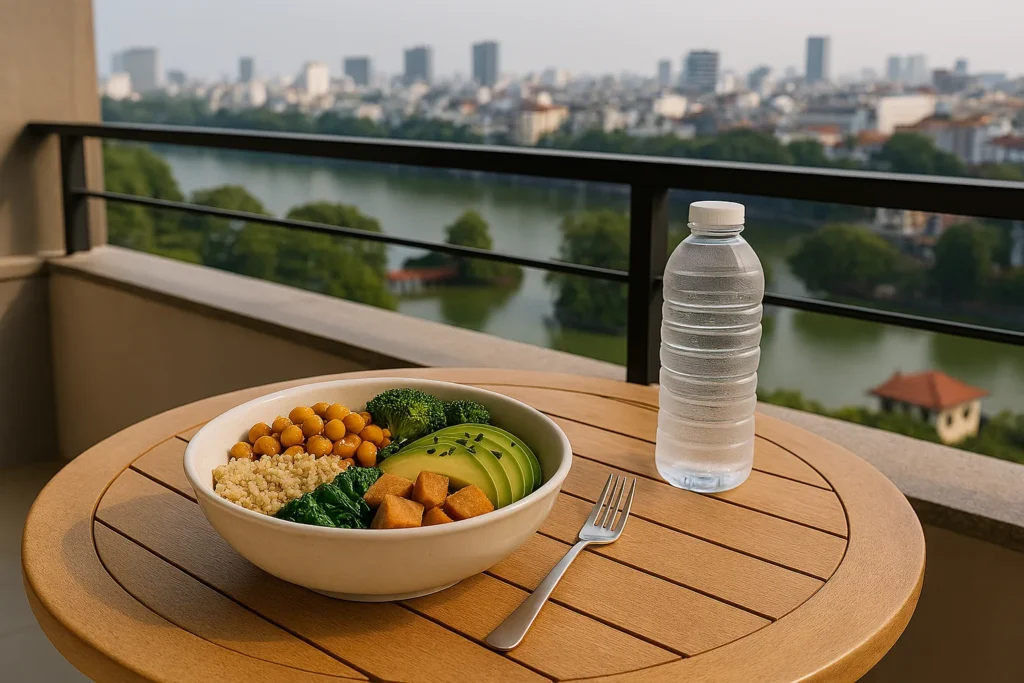
Why plant-based protein meals matter
Plant-based proteins aren’t just for those avoiding animal products. They provide a wide range of benefits that support performance, recovery, and general wellbeing.
Here’s why they matter:
- Muscle recovery and growth – Protein is essential for repairing muscles after workouts, and plant-based sources can deliver the amino acids you need.
- Digestive health – Many plant-based protein meals include fibre, which supports gut health and digestion.
- Heart health – Meals built around legumes, grains, and nuts are naturally lower in saturated fat and cholesterol.
- Sustainability – Plant-based diets are more environmentally friendly and resource-efficient compared to animal-heavy diets.
- Diet variety – Adding plant-based protein meals ensures diversity in your nutrition and helps prevent reliance on the same protein sources.
Top plant-based protein sources
Before planning meals, it’s helpful to know the best plant-based protein sources. These ingredients form the foundation of most plant-based protein meals.
- Legumes – Lentils, chickpeas, black beans, kidney beans
- Soy products – Tofu, tempeh, edamame
- Whole grains – Quinoa, brown rice, oats, barley
- Nuts and seeds – Almonds, walnuts, chia seeds, hemp seeds, pumpkin seeds
- Plant-based protein powders – Pea protein, rice protein, hemp protein
By combining these sources, you can create well-rounded meals that supply all essential amino acids.
Easy plant-based protein meal ideas
Now let’s put these ingredients into action. Below are examples of practical plant-based protein meals you can prepare for everyday performance and health.
Breakfast options
Starting the day with a protein-rich meal sets the tone for sustained energy. Try:
- Overnight oats with chia seeds, almond butter, and pea protein powder
- Tofu scramble with spinach, mushrooms, and nutritional yeast
- Smoothie bowl with frozen berries, hemp protein, and granola
Lunch options
Midday meals should provide a balance of protein, complex carbs, and healthy fats. Examples include:
- Quinoa salad with chickpeas, cucumber, cherry tomatoes, and tahini dressing
- Lentil and sweet potato soup served with whole grain bread
- Tempeh stir-fry with brown rice and mixed vegetables
Dinner options
Dinner is an opportunity to combine multiple protein sources for muscle recovery and satiety. Try:
- Black bean tacos with avocado, salsa, and corn tortillas
- Chickpea curry with basmati rice and steamed greens
- Tofu and vegetable stir-fry with soba noodles and sesame seeds
Snack options
Snacks are key for keeping protein intake steady across the day.
Choose from:
- Roasted chickpeas with spices
- A protein smoothie with almond milk and banana
- Energy bites made from oats, nut butter, and plant protein powder
Balancing your meals for performance
While it’s easy to focus only on protein, a well-designed meal also includes complex carbs, healthy fats, and micronutrients.
To keep your plant-based protein meals performance-ready, aim for:
- Protein – 20–30g per main meal, 10–15g per snack
- Carbs – Whole grains, fruits, and vegetables for sustained energy
- Fats – Nuts, seeds, avocado, olive oil for hormone support and satiety
- Micronutrients – Iron, zinc, calcium, and B12 can sometimes be lower in plant-based diets, so consider fortified foods or supplements if needed
Frequently asked questions
Do plant-based protein meals provide enough protein for athletes?
Yes. With smart planning, plant-based meals can deliver the same protein levels as animal-based meals. Combining sources like legumes and grains ensures a complete amino acid profile.
Are plant-based protein powders necessary?
Not always, but they are convenient. Powders can help fill gaps and ensure you reach daily protein targets, especially if you have higher demands due to training.
Can plant-based protein meals support muscle growth?
Absolutely. Muscle growth depends on total protein intake and resistance training, not just the source of protein. Plant-based proteins can be just as effective when consumed in sufficient amounts.
Key takeaways
Plant-based protein meals are incredibly versatile, nutrient-dense, and well-suited for supporting both everyday performance and long-term health. Whether you’re training hard, managing energy levels, or simply aiming to eat more consciously, these meals offer a powerful blend of whole-food ingredients that nourish the body without compromise. Rich in fiber, antioxidants, and essential amino acids, plant-based options can be tailored to meet a wide range of dietary needs and fitness goals.
Beyond their nutritional value, plant-based meals also promote key wellness outcomes. They support muscle recovery, gut health, and sustainable eating habits, all while being easy to prepare and enjoy. Think tofu scrambles, quinoa salads, lentil soups, and black bean tacos: simple, satisfying, and packed with functional fuel. By balancing protein with quality carbs, healthy fats, and vital micronutrients, athletes and active individuals can thrive on a plant-based diet with confidence and clarity. With thoughtful planning, these meals become more than just food, they become a foundation for performance, resilience, and long-term vitality.
- They support muscle recovery, gut health, and sustainable eating habits.
- Easy meal ideas include tofu scrambles, quinoa salads, lentil soups, and black bean tacos.
- Balancing protein with carbs, fats, and micronutrients ensures optimal results.
- With thoughtful planning, athletes and active individuals can thrive on plant-based meals without compromise.
If you are looking for more information on a great tasting Plant Based Protein Powder, take a look at this one here.
