
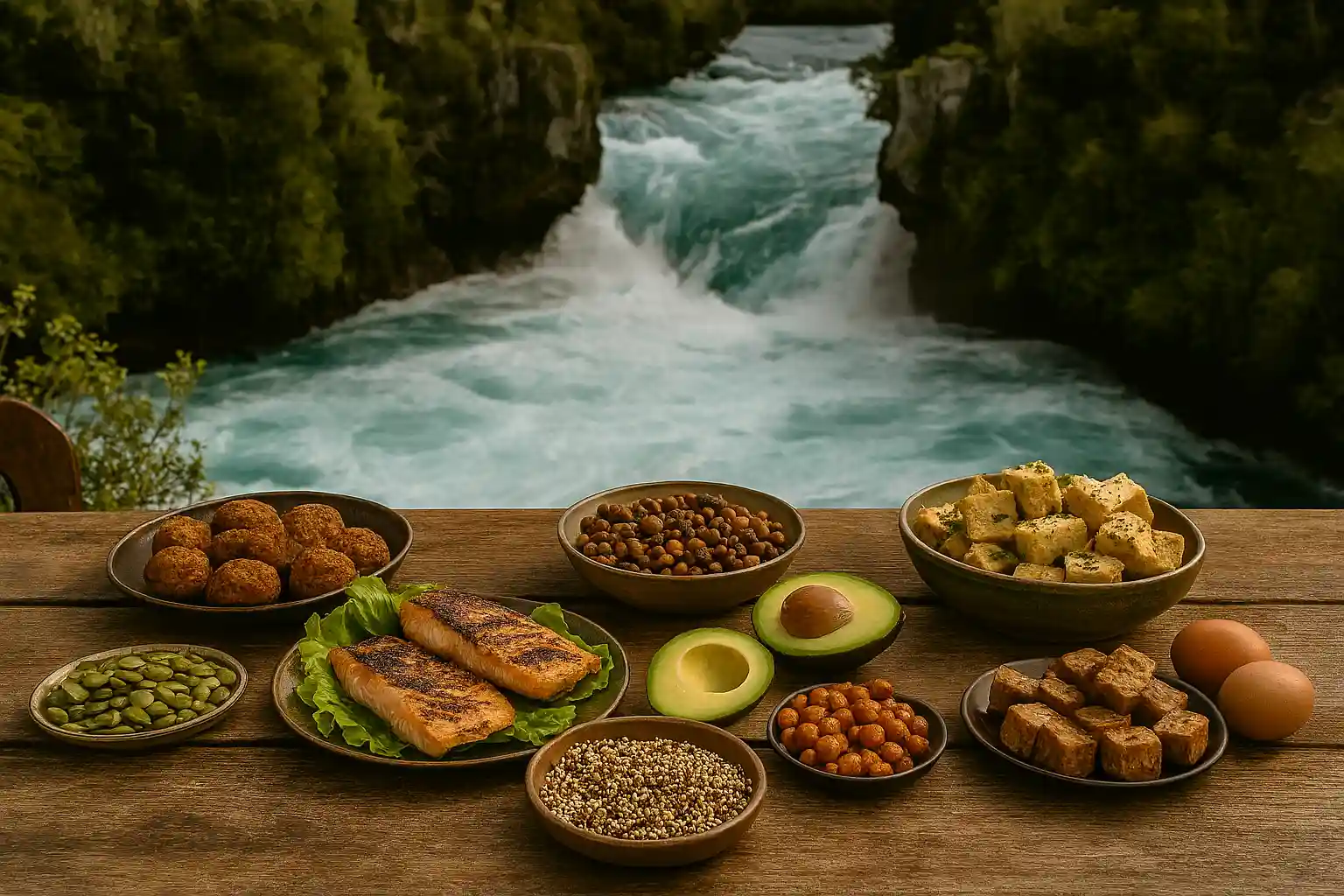

Whether you’ve cut back on meat for health, environmental, or ethical reasons, getting enough protein can sometimes feel tricky. The good news is that vegetarians and flexitarians have more high-quality protein options than ever before, from traditional plant staples to modern alternatives that rival animal-based sources for both taste and nutrition.
In this guide, we’ll explore the best protein sources for vegetarians and flexitarians, how they compare to meat-based proteins, and the best ways to balance them throughout the day for optimal muscle growth, recovery, and overall wellness.
Why protein is essential for everyone
Protein is the building block of every cell in your body, supporting everything from muscle growth and repair to hormone production and immune health. For active individuals, especially those lifting weights or training regularly, maintaining adequate protein intake is crucial for recovery and lean muscle development.
When you follow a vegetarian or flexitarian diet, it’s not just about getting enough protein; it’s about getting the right mix. That’s because plant-based proteins can vary in amino acid profiles, with some being lower in essential amino acids like Lysine or Methionine. With the right food combinations, though, you can easily meet your needs without animal products.
How much protein do vegetarians and flexitarians need?
Protein needs depend on your goals and activity level. For most adults, the baseline recommendation is around 0.8g of protein per kilogram of body weight per day. But for anyone aiming to build muscle, tone up, or maintain lean mass while training, that number can rise to 1.6–2.2g per kilogram of body weight.
For example:
- A 70kg individual targeting muscle growth would need roughly 110–150g of protein per day.
- A 60kg person maintaining moderate activity might need 90–120g.
If you’re following a vegetarian or flexitarian diet, aiming toward the higher end of this range helps offset the slightly lower digestibility of some plant proteins.
Top complete protein sources for vegetarians
Some vegetarian-friendly proteins provide all nine essential amino acids, making them “complete” sources similar to meat, fish, or dairy. These should form the foundation of your daily intake.
1. Eggs
Eggs are one of the most bioavailable protein sources on earth, providing roughly 6–7g of protein per egg. They also contain key nutrients like choline, vitamin D, and B vitamins, supporting brain and metabolic health.
2. Dairy products
Milk, yoghurt, and cheese supply high-quality casein and whey proteins, both excellent for muscle repair. A 200g tub of Greek yoghurt packs around 18–20g of protein, while 250ml of milk adds another 8g.
3. Soy-based foods
Soy is a complete plant protein and the backbone of many vegetarian diets. Options like tofu, tempeh, and edamame provide 10–20g of protein per 100g. They’re also rich in isoflavones, which may support heart health and hormonal balance.
4. Quinoa
Unlike most grains, quinoa contains all essential amino acids, offering around 8g of protein per cup (cooked). It’s also high in magnesium and iron, making it an ideal base for vegetarian meals.
High-protein plant foods for flexitarians
Flexitarians can blend plant and occasional animal-based proteins to hit daily targets easily. These options work well for both strict vegetarians and those who include small amounts of animal products.
1. Legumes
Beans, lentils, and chickpeas are nutrient powerhouses, providing 9–12g of protein per 100g (cooked). They’re also excellent sources of fibre, iron, and folate. Pairing them with rice, corn, or nuts helps create a complete amino acid profile.
2. Nuts and seeds
Almonds, chia seeds, hemp seeds, and pumpkin seeds are protein-dense and high in healthy fats. Two tablespoons of hemp seeds provide 10g of protein, making them a perfect smoothie or salad topper.
3. Whole grains
Grains like oats, amaranth, and buckwheat contribute 5–7g of protein per serve. While they aren’t complete proteins on their own, they combine well with legumes for balanced meals, think lentil and rice bowls or hummus with whole-grain pita.
4. Protein powders
Plant-based protein powders made from pea, rice, or soy can easily bridge the gap when you’re short on time. A single scoop provides 20–25g of protein, ideal for post-workout shakes or quick breakfasts.
Tips to maximise protein absorption
To get the most out of your protein sources, timing and food combinations matter.
- Mix complementary proteins: Combine grains and legumes (e.g. rice and beans) or seeds and pulses (e.g. hummus with wholegrain toast) to form complete proteins.
- Distribute intake evenly: Spread protein across 3–5 meals per day rather than eating most of it at dinner. This supports better muscle repair and sustained energy.
- Include vitamin C foods: Pair plant proteins with vitamin C-rich foods like capsicum or citrus to enhance iron absorption.
- Stay consistent: Muscle growth and recovery depend on total daily intake, not just one meal.
Common mistakes to avoid
It’s easy to under-eat protein when transitioning to a more plant-based diet. Some common pitfalls include:
- Relying too heavily on carbohydrates: Grains and veggies alone won’t provide enough protein for muscle repair.
- Ignoring variety: Focusing only on one or two protein sources (like tofu) can limit your amino acid diversity.
- Skipping snacks: Small, protein-rich snacks between meals help meet daily targets without overeating at once.
- Not checking labels: Some vegetarian substitutes are high in sodium or additives but low in actual protein, read nutrition panels carefully.
Frequently asked questions
Can you build muscle on a vegetarian diet?
Yes. With sufficient total protein and resistance training, vegetarians can build muscle effectively. Combining diverse plant sources ensures a full amino acid profile.
Are plant proteins harder to digest?
Some are slightly less digestible, but soaking, sprouting, and cooking legumes or grains can improve absorption significantly.
Do flexitarians need supplements?
Not necessarily, but supplements like vitamin B12, iron, and omega-3s may help fill nutritional gaps depending on your intake.
What’s the best time to eat protein?
For muscle growth, aim to eat 20–40g of protein within 1–2 hours post-workout, and spread the rest evenly through your meals.
Key takeaways
Finding the best protein sources for vegetarians and flexitarians is about variety and balance. Combining complete proteins like soy and eggs with partial proteins such as beans, grains, and nuts ensures you meet your amino acid needs and support your fitness goals, whether you’re lifting heavy or simply staying healthy.
Key points to remember from best protein sources for vegetarians and flexitarians
- Include at least one complete protein source (e.g. soy, eggs, dairy, quinoa) daily.
- Combine complementary plant proteins for optimal amino acid balance.
- Aim for 1.6–2.2g of protein per kg of body weight if training regularly.
- Don’t overlook protein-rich snacks or shakes to meet daily targets.
Ultimately, the best vegetarian or flexitarian diet is one that’s sustainable, satisfying, and nutritionally balanced. With thoughtful food choices and smart meal planning, it’s entirely possible to reach your protein goals and build lean muscle, all while supporting a diet that aligns with your health and values. So the best protein sources for vegetarians and flexitarians are the ones that you love, and they help you hit your goals.
