
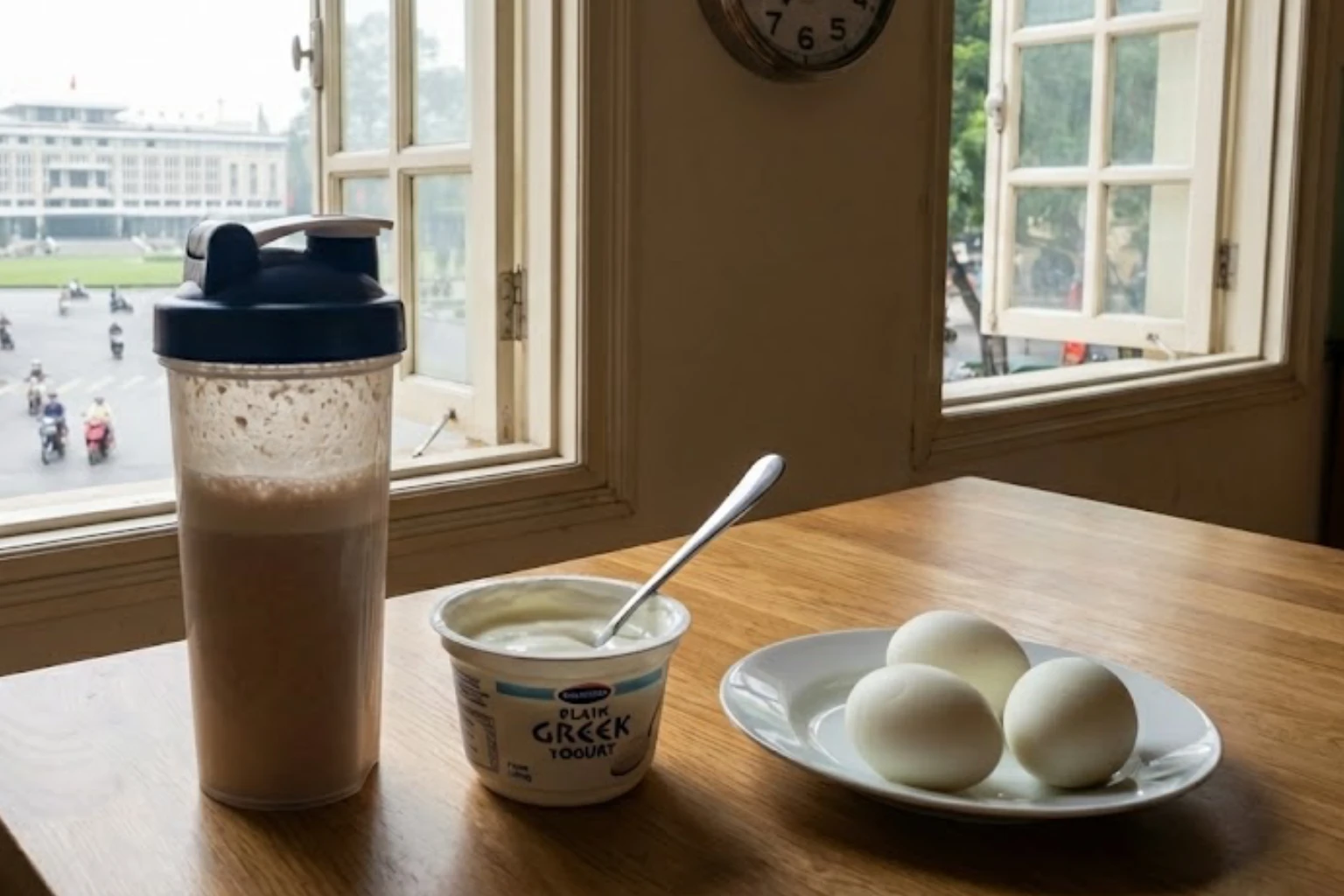

You have likely heard the legends of the thirty minute anabolic window. For years, gym culture suggested that if you did not chug a protein shake within seconds of your last set, your workout was essentially a waste of time. This creates a lot of unnecessary stress for the average Australian athlete who just wants to build muscle and recover well without carrying a blender to the squat rack.
The truth about protein timing is far more nuanced and much more liberating than the old school myths suggest. While the total amount of protein you eat across twenty four hours remains the most important factor, how you distribute that protein can be the difference between good results and elite performance. Understanding how to fuel your body in the morning, around your training, and before you sleep allows you to maximise muscle protein synthesis and keep your body in an anabolic state.

This guide simplifies the science and provides a clear blueprint for your daily nutrition. We will move past the hype and look at what the research actually says about when to eat your protein to get the best possible results from your hard work in the gym. By mastering protein timing, you ensure that every gram of protein you consume serves a specific purpose in your fitness journey.
What You Will Learn
- The hierarchy of nutrition, why total protein still beats perfect timing.
- How to kickstart your metabolism with high quality morning protein.
- The reality of the pre and post workout nutrition windows.
- Specific strategies for protein timing during fat loss versus muscle gain phases.
- Advanced tips on hydration and digestion to maximise protein utility.
- Why “sleep protein” is the secret weapon for recovery and muscle retention.
- Practical meal examples for busy Australians.
- A side by side comparison of different timing strategies.
The Big Picture: Total Intake vs Protein Timing
Before we dive into the specifics of the clock, we must establish the foundation. Think of your body like a house under constant renovation. Protein provides the bricks. If you do not deliver enough bricks throughout the day, it does not matter what time the delivery truck arrives; the house will not grow. The International Society of Sports Nutrition (ISSN) confirms that your total daily protein intake is the primary driver of muscle growth and maintenance.
However, once you hit your total targets (usually between 1.6 to 2.2 grams of protein per kilogram of body weight), protein timing becomes your finishing tool. If total intake is the bricks, timing is the schedule of the bricklayers. You want your workers active throughout the day rather than having them sit idle for twelve hours and then overwhelmed for two. By spreading your protein out across the day, you keep Muscle Protein Synthesis (MPS) elevated, which is the biological process where your body repairs and builds new muscle tissue.
Research from Examine.com highlights that the body can only use a certain amount of protein for muscle building in a single sitting. While the “30 gram limit” is a myth for total absorption, eating 80 grams of protein in one meal is generally less efficient for muscle growth than splitting that into two 40 gram serves. This is why a strategic approach to protein timing across your morning, workout, and evening meals is so effective.
Breaking the Fast: Morning Protein Strategies
Most Australians follow a traditional “back heavy” protein model. This means a light breakfast like toast or cereal, a moderate lunch, and a massive steak or chicken breast for dinner. The problem with this approach is that you have just spent eight to ten hours sleeping in a fasted state. During this time, your body has been breaking down some muscle tissue to fuel basic functions.
When you wake up, your body is literally starving for amino acids. If you wait until lunch to eat protein, you extend that catabolic (muscle wasting) window. Eating a high quality protein source within an hour of waking up “flips the switch” from muscle breakdown to muscle building. Strategic protein timing in the morning sets the tone for the rest of your day.
Aim for at least 30 to 40 grams of protein in your first meal. This dose should include plenty of leucine, an amino acid that acts like a chemical “on switch” for muscle growth. Using a high quality whey isolate, or whey blend or eating four to five eggs provides the necessary tools to jumpstart your recovery for the day ahead.
Fuel and Repair: Pre and Post Workout Protein
This is the area of protein timing that causes the most confusion. Let us clear the air: the “anabolic window” is not a thirty minute closing door; it is more like a wide gate that stays open for several hours. However, being smart about your intake around your session ensures you have amino acids circulating in your blood while you train.
Pre Workout Nutrition
Eating protein before you train serves as an insurance policy. If you have a meal containing 30 grams of protein one to two hours before your session, those amino acids will still be available in your system when you finish your last set. This is particularly important if you train in the morning before breakfast. If you prefer training fasted, you must be much more diligent about your post workout protein timing.
Post Workout Nutrition
While the urgency is often exaggerated, the post workout period is still a vital time for nutrient delivery. Exercise increases the sensitivity of your muscle cells to nutrients. The Australian Institute of Sport (AIS) suggests that consuming protein shortly after exercise helps to repair the micro tears in muscle fibres caused by resistance training. A fast digesting source like whey protein is ideal here because it enters the bloodstream rapidly.
Protein Timing for Fat Loss vs Muscle Gain
Your goals dictate how strictly you should manage your protein timing. While the general rules apply to everyone, the stakes change when you are in a calorie deficit or a surplus.
During a Fat Loss Phase (Cutting)
When you eat fewer calories than you burn, your body is looking for energy sources. If you do not provide frequent protein signals, it may tap into your hard earned muscle tissue. In this scenario, protein timing becomes a tool for muscle preservation. Eating four to five smaller protein meals throughout the day can help keep you full and signal to your body that it should keep its muscle while burning fat.
During a Muscle Gain Phase (Bulking)
When calories are high, your body is naturally in a more anabolic state. Here, protein timing focuses on maximising the growth signal. You can afford to have larger gaps between meals, but you should aim for higher protein doses (up to 40 or 50 grams) at each sitting to fully saturate the muscle building machinery.
The Overnight Growth Phase: Protein Before Sleep
Sleep is the most underrated part of the fitness journey. This is when your body does the heavy lifting of repair. The challenge is that sleep represents the longest period your body goes without food. To prevent muscle breakdown during this fast, many elite athletes utilise “sleep protein” as part of their protein timing strategy.
Consuming a slow digesting protein like casein protein or a large serve of Greek yoghurt before bed provides a “drip feed” of amino acids throughout the night. Research shows that pre sleep protein can significantly increase the rate of muscle protein synthesis while you rest. This does not mean you will wake up looking like a pro bodybuilder overnight, but it ensures that your body has the materials it needs to recover from a brutal leg day while you dream.
If you find yourself feeling sore for days after a workout, a 40 gram serve of protein thirty minutes before bed might be the missing piece of your recovery puzzle. It keeps the “bricklayers” working through the night shift and optimises your overall protein timing schedule.
Advanced Tips: Hydration and Digestion
To get the most out of your protein timing, you must look at how your body processes those nutrients. Even the most perfect timing will fail if your gut is not functioning correctly.
Hydration is Essential
Muscle protein synthesis requires water. If you are dehydrated, your body cannot efficiently transport amino acids to the muscle cells. Aim for at least three to four litres of water a day, especially around your workout window. Think of water as the motorway that allows your protein “bricks” to reach the construction site.
Digestive Health
If you feel bloated after a high protein meal, you may not be absorbing all the nutrients. Including fibre rich foods like steamed greens and fermented foods like kefir can improve your gut health. Some athletes find that digestive enzymes help them break down larger protein serves, ensuring that their protein timing efforts actually result in muscle growth rather than just digestive discomfort.
Protein Timing Comparison Table
The following table breaks down the benefits and goals of each specific timing window to help you prioritise your nutrition.
| Timing Window | Primary Goal | Best Protein Sources | Priority Level |
| Morning | End overnight catabolism | Eggs, Whey, Greek Yoghurt | High |
| Pre Workout | Provide circulating amino acids | Chicken, White Fish, Whey | Medium |
| Post Workout | Jumpstart repair and MPS | Whey Isolate, Lean Beef | High |
| Fat Loss Focus | Muscle preservation | Lean Turkey, Egg Whites | High |
| Before Sleep | Sustained recovery overnight | Casein, Cottage Cheese | Medium/High |
How this looks in real life
Knowing the science is one thing, but applying it to a busy Australian lifestyle is another. Let us look at two common scenarios to see how protein timing works in practice.
Scenario A: The 6:00 AM Early Bird
John hits the gym before work. He does not like eating a full meal at 5:00 AM because it makes him feel heavy during his squats.
- 5:30 AM: A quick whey protein shake mixed with water (fast digesting, light on the stomach).
- 7:30 AM (Post Workout): A bowl of oats with another scoop of protein or a couple of boiled eggs.
- 1:00 PM: Grilled chicken salad for lunch.
- 9:00 PM: A tub of high protein Greek yoghurt before bed to fuel his recovery.
Scenario B: The 9 to 5 Office Worker
Sarah trains at 5:30 PM after a long day at the desk. Her challenge is staying fuelled so she does not crash mid workout.
- 7:00 AM: Scrambled eggs on sourdough (kicking off the day with 30 grams of protein).
- 12:30 PM: Beef stir fry with plenty of vegetables.
- 3:30 PM: A tin of tuna or a protein bar to ensure amino acids are present for her evening session.
- 7:00 PM (Post Workout): A balanced dinner of grilled salmon or chicken.
- 10:00 PM: A slow digesting casein shake before hitting the hay.
Both John and Sarah are hitting their total daily goals, but their protein timing ensures they are never in a state where muscle breakdown exceeds muscle building.
If you’re looking for some specials on Casein Protein or Tuna you can have a look here – Buy Casein Protein / Buy Tuna
Frequently Asked Questions
Do I really need a shake immediately after my workout?
No, you do not need to rush. If you ate a protein rich meal within two hours before your workout, you have plenty of time. However, if you trained on an empty stomach, you should aim to eat as soon as practical after your session to stop muscle breakdown. This is a core tenet of effective protein timing.
Can I just eat all my protein at dinner?
You can, but it is not optimal. While your body will eventually absorb the protein, you miss multiple opportunities to spike muscle protein synthesis throughout the day. Spreading your protein across four to five meals is generally superior for muscle growth compared to one or two large sittings.
Is casein better than whey for night time?
Yes, because of the digestion speed. Whey is like a flash flood; it hits your system hard and fast. Casein is like a slow leaking tap. For a long period like sleep, the slow leaking tap is better for keeping a steady stream of amino acids in your blood.
Does caffeine affect protein absorption?
Caffeine does not directly block protein absorption, but it can affect your digestion if consumed in massive quantities. Generally, having a coffee with your high protein breakfast is perfectly fine and will not ruin your protein timing strategy.
Key Takeaways
- Total protein is king: Always hit your daily total targets first.
- Eat early: A high protein breakfast stops the muscle breakdown that occurs while you sleep.
- The window is wide: You have a few hours around your workout to get your protein in, but do not wait too long if you trained fasted.
- Casein at night: Slow digesting protein before bed is a proven way to enhance recovery and muscle growth.
- Goals matter: Tighten up your protein timing when you are in a calorie deficit to protect your muscle mass.
- Consistency wins: Timing only matters if you are consistent with your daily habits.
Final Thoughts
Mastering protein timing does not have to be a source of stress. You do not need to set an alarm for 3:00 AM to eat a chicken breast, nor do you need to panic if you forget your shake after the gym. Use these principles as a framework to support your training rather than a set of rigid rules that ruin your day.
By simply ensuring you have a solid serving of protein in the morning, around your workout, and before you sleep, you are doing more than 90 percent of the people in the gym to reach your goals. Start by picking one window to improve this week and build from there.
