


When it comes to meeting your daily protein needs and supporting long term muscle growth, casein protein stands out as the slow release option. Unlike whey protein, which is rapidly digested and quickly delivers amino acids to your muscles, casein breaks down gradually over several hours. This steady release makes it especially valuable during periods when your body goes without food, most notably while you sleep. By providing a sustained stream of amino acids, casein helps reduce muscle breakdown and supports recovery throughout the night.
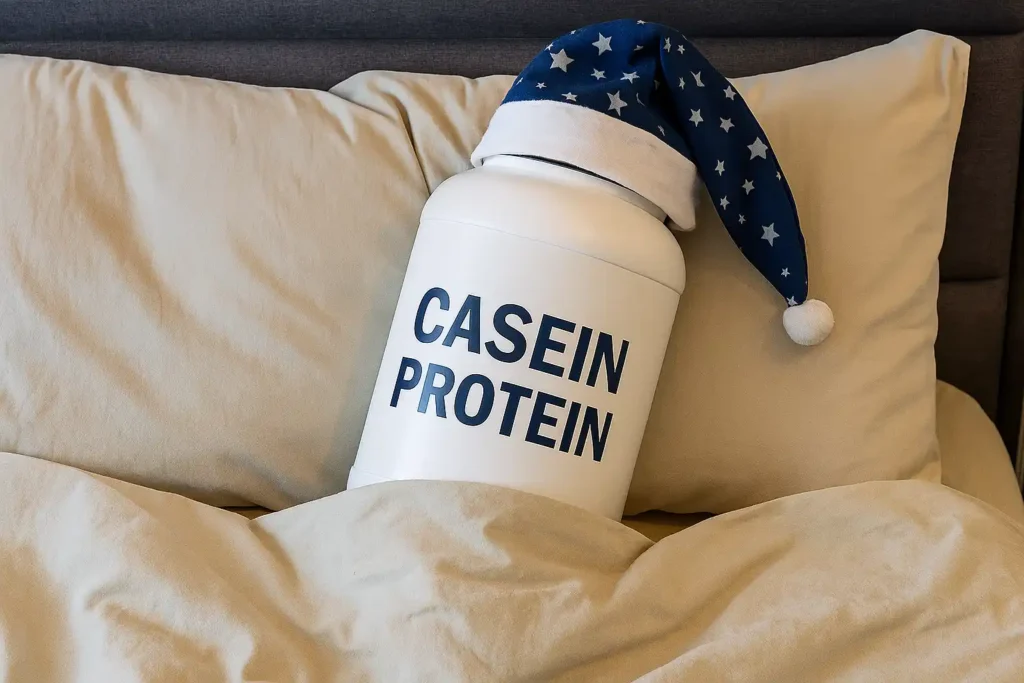
Because of these unique properties, casein protein has become a go to supplement for athletes, lifters, and anyone looking to maximise recovery between training sessions. It’s not just about building muscle, it’s about maintaining it when your body would otherwise be in a fasted state. In this guide, we’ll break down exactly what casein protein is, how it works inside your body, the key benefits it offers, and the best times to use it so you can get the most out of your training and nutrition strategy.
What is casein protein?
Casein is one of the main proteins found in milk, making up around 80% of its total protein content. It’s naturally rich in essential amino acids, which are the building blocks your body needs for muscle repair and growth.
The unique feature of casein is its slow digestion rate. Once consumed, it forms a gel-like substance in the stomach, which allows amino acids to be released gradually into the bloodstream over several hours. This slow release makes casein especially effective as a night-time protein source.
Casein vs Whey Protein
Most people are familiar with whey protein, known for its rapid absorption and ability to spike muscle protein synthesis after training. Casein, on the other hand, offers a different advantage, sustained amino acid delivery.
- Whey protein is best for quick post-workout recovery.
- Casein protein is better for periods when you won’t be eating for a while, such as overnight.
- Many athletes use both in their routine, whey during the day and casein before bed for round-the-clock recovery.
Benefits of casein protein
Casein protein isn’t just about timing; it comes with a range of benefits that make it a smart addition to your supplement stack.
- Overnight recovery: Delivers amino acids for up to 7–8 hours.
- Reduced muscle breakdown: Helps preserve lean muscle during fasting periods.
- Supports muscle growth: Provides all essential amino acids, including BCAAs, for repair and recovery.
- Satiety and appetite control: Slows digestion, keeping you fuller for longer, helpful when managing calories.
How to take casein protein
The most common way to use casein is as a shake mixed with water or milk before bed. This ensures your body has a steady supply of amino acids while you sleep.
Casein also works well in recipes like protein puddings, mousses, or baked snacks, thanks to its thick texture. Many athletes enjoy it as a tasty, filling dessert option that doubles as recovery fuel.
Suggested use:
- Mix 1–2 scoops of casein protein powder with water or milk.
- Consume 30–60 minutes before bed for optimal overnight recovery.
- Can also be used between meals when a slow-release protein source is preferred.
Who should use casein protein?
Casein is suitable for a wide range of people, from beginners looking to support their fitness goals to experienced athletes chasing peak recovery. You might benefit from adding casein if you:
- Train regularly and want round-the-clock muscle support.
- Are aiming to build lean muscle mass.
- Want to prevent overnight muscle breakdown.
- Need a filling, protein-rich snack option.
Key takeaways
Casein protein is a slow digesting, sustained release supplement that truly shines when it comes to overnight recovery. By delivering a steady stream of amino acids over several hours, it helps protect against muscle breakdown, supports growth, and keeps you feeling fuller for longer. This makes it an ideal choice before bed or during any extended period without food, when your body benefits most from a gradual supply of nutrients.
For the best results, many athletes and everyday lifters pair casein with whey protein to cover both ends of the recovery spectrum. Whey provides rapid absorption and immediate muscle repair after training, while casein steps in to offer long lasting support as you rest and recover. Together, this one two punch ensures your muscles are fuelled around the clock, fast when you need it and sustained when it matters most. By combining both types of protein powders, you create a balanced approach that maximises performance, recovery, and overall nutrition.
