

Walking into the supermarket with the intention of eating more protein sounds simple, until you’re standing in the aisle wondering what actually belongs in your trolley. Between marketing claims, confusing labels, and time pressure, it’s easy to leave with foods that look healthy but barely move the needle on your daily protein intake.
That’s why building a high-protein grocery list is one of the most effective habits you can develop. When your kitchen is stocked with the right foods, hitting your daily protein target becomes automatic, without tracking macros or overthinking meals.
This starter guide will show you how to create a practical, realistic, and repeatable high-protein grocery list that supports muscle growth, recovery, and everyday nutrition, even if you’re busy, new to high-protein eating, or shopping on a budget.
What this guide covers
- Why your grocery list matters more than meal plans
- How much protein to aim for when shopping
- Core high-protein foods to always keep on hand
- Budget-friendly and convenience-based protein options
- How to build a flexible grocery list that suits your lifestyle
- Common shopping mistakes that limit protein intake
Why a high-protein grocery list matters
Most people don’t struggle with protein because they lack motivation, they struggle because their food environment works against them. If your fridge and pantry are filled with low-protein convenience foods, snacks, and carb-heavy staples, even the best intentions fall apart quickly.
A well-built high-protein grocery list flips that script. Instead of relying on willpower, you rely on availability. When protein-rich foods are the default option in your kitchen, you naturally eat more protein without needing to track, plan, or stress.
This approach is especially powerful if you’re training regularly, trying to maintain muscle, managing appetite, or simply aiming to eat more balanced meals throughout the week.
How much protein should your grocery list support?
Before choosing foods, it helps to understand what your shopping list should enable.
A simple target for most active adults is around 1.6–2.2g of protein per kg of bodyweight per day. You don’t need to calculate this precisely, just use it as a guide when planning your meals and daily protein snacks.
Rather than thinking in daily grams, structure your list to support, 3 protein-focused meals per day, and 1–2 high-protein snacks
If your groceries can support that structure, you’re already most of the way there.
The foundation of a high-protein grocery list
A good starter list includes foods that are:
- Easy to prepare
- Affordable and accessible
- Versatile across meals
- High in protein per serve
Let’s break this down for you now by food category.
Animal-based protein staples
These are some of the most efficient protein sources available and work well for beginners.
Lean meats and poultry
Lean meats should form the backbone of many high-protein grocery lists because they’re dense in protein and easy to build meals around.
You can include options like:
- Chicken breast or thigh fillets
- Lean beef mince
- Steak cuts like rump or sirloin
- Turkey mince or slices
These can be batch-cooked, frozen, or used across multiple meals with minimal effort.
Fish and seafood
Seafood adds variety while delivering high-quality protein and healthy fats.
Good options for your high-protein grocery list could include:
- Salmon or trout
- White fish (barramundi, hoki, cod)
- Tinned tuna or salmon
Canned fish is especially useful for quick lunches and snacks when time is tight.
Eggs
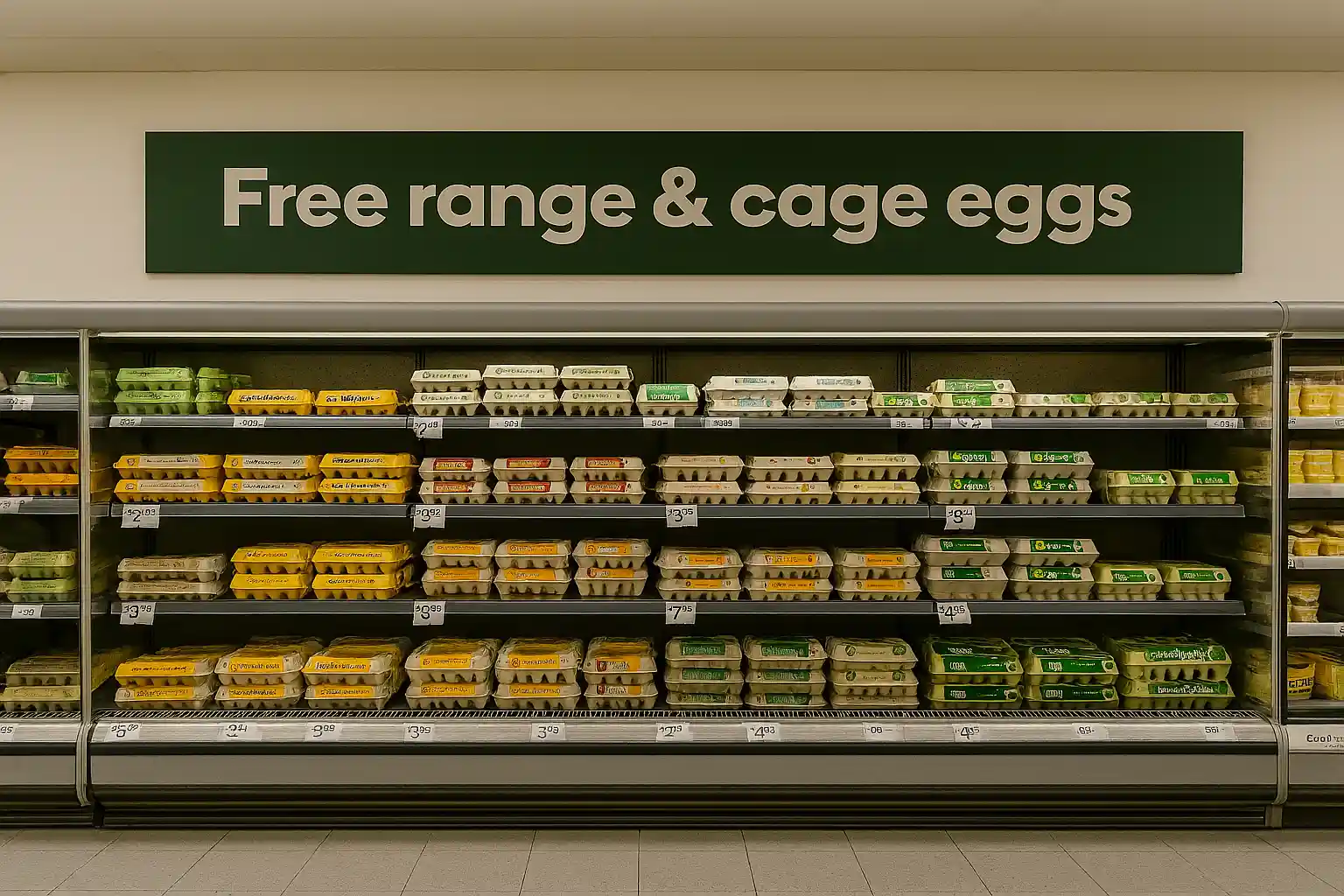
Eggs are one of the most versatile protein foods available.
They work for:
- Breakfasts
- Snacks
- Easy lunches
- Meal prep
Keeping eggs on your list, and keeping a serve of eggs boiled in the fridge ensures you always have a quick protein option available.
There’s no reason to be without eggs in your diet, if you’re time poor a good investment might be an egg cooker. This means you can set up, set the timer and have perfect eggs the way you like them every time. They usually start with a 6 egg capacity and there is an 18 egg cooker for the more hardcore egg eater. Great for meal prep.
Want to buy a 6 or 18 Egg Cooker, you can here – Healthy Egg Cooker
Or looking for a gift for the egg lover in your life, why not an egg carrier or fridge egg holder – Egg Carrier
As an Amazon Associate, I earn from qualifying purchases, which helps support the content we create for you.
Dairy and dairy-based protein foods
Dairy products are ideal for boosting protein without needing full meal prep. Here’s some options for you to add to your meals.
High-protein yoghurt and cottage cheese
Greek yoghurt and cottage cheese are excellent choices because they:
- Contain 15–25g of protein per serve
- Work sweet or savoury
- Require no cooking
They’re ideal for breakfasts, snacks, or quick protein top-ups.
Milk and cheese
High-protein milk and reduced-fat cheeses help raise daily protein intake effortlessly.
Use them in:
- Smoothies
- Oats
- Toast or wraps
- Simple meals
These foods quietly add protein without changing how you eat. Pro tip for you, don’t add cheese to your smoothie (not good).
Plant-based protein options
A strong high-protein grocery list should still work if you eat less meat or prefer plant-based meals.
Legumes and pulses
You can include a mix of these. Most of these are readily available at every supermarket these days.
- Lentils
- Chickpeas
- Black beans
- Kidney beans
- Edamame
While lower in protein per serve than meat, they become effective when portion sizes are increased.
Tofu, tempeh, and plant proteins
These are staples for vegetarian and flexitarian eaters.
They’re great for:
- Stir-fries
- Bowls
- Meal prep
- Protein-focused dinners
Look for firm or extra-firm tofu for higher protein density. The firmer tofu also works best in stir fries, just adding that extra texture to the protein meal.
Protein snacks and convenience foods
This is where many people fall short, but also where the biggest gains are made if you think ahead and plan.
Easy high-protein snacks to add to your list
- Protein bars
- Jerky or biltong
- Ready-to-drink protein shakes
- Cottage cheese tubs
- High-protein yoghurt pouches
These items prevent missed protein opportunities during busy days. It’s easy to get hungry and find that the carb laden foods call your name every break. By planning ahead and keeping your eyes on your goals can help you make the right decision at the right time without sacrificing satiety or flavour.
Protein powders (optional but helpful)
Protein powder isn’t mandatory, but it certainly makes life easier at times.
It’s useful for:
- Busy mornings
- Post-training nutrition
- Filling protein gaps
Adding one quality protein powder to your list gives you flexibility without relying on cooking when needed.
How to organise your grocery list for success
Instead of writing a random list, organise it by purpose and create the habit for years to come.
Use a “protein-first” structure
When building your list, ask:
- What are my main protein sources for breakfast?
- What will I use for lunch and dinner?
- What protein snacks will I rely on?
If each section is covered, the rest of your meals tend to fall into place naturally and over time become second nature.
Budget-friendly high-protein shopping tips
Eating high protein doesn’t have to be expensive, you just have to spend the time to learn how to save without sacrificing too much quality.
To keep costs down:
- Buy frozen meat and fish
- Choose larger bulk packs
- Use eggs, mince, and tinned fish as staples
- Compare protein per dollar, not just price per item
Many of the most effective high-protein foods are also the most affordable when used consistently.
Common mistakes when building a high-protein grocery list
Avoid these pitfalls if you want your list to actually work:
- Buying “healthy” foods with little protein – granola, crackers, snack bars are some foods that fall into this category.
- Skipping protein snacks entirely – too busy, didn’t prepare, it was the only food available are some reasons for this mistake.
- Only buying ingredients for dinners and ignoring breakfast and snacks which cover a fair part of the daily calories.
- Overcomplicating the list with recipes you won’t realistically cook. Take into account prep time and how busy you are.
- Relying on one protein source only, leading to boredom and the need to break your diet submitting to your cravings.
A good list should feel easy, not restrictive. Find high-protein foods that you love to eat, and rotate through these to keep your daily meals fresh and exciting.
Frequently asked questions
How many protein foods should I buy each week?
Enough to support three protein-based meals per day plus snacks. For most people, this means 5–7 core protein items and 3–5 snack options.
Can a high-protein grocery list support weight loss?
Yes. Protein helps manage hunger and preserve muscle, making it ideal for calorie control.
Do I need supplements to eat high protein?
No, but protein powder supplements and protein bars can make consistency easier.
What if I don’t like cooking?
Focus on ready-to-eat options like yoghurt, eggs, canned fish, and protein shakes.
Should I rotate protein sources?
Yes. Variety improves nutrient intake and makes the diet easier to stick to long term.
Key takeaways
Building a reliable high-protein grocery list is one of the most practical steps you can take toward better nutrition, especially if you want results without tracking or strict meal plans. When protein-rich foods are always available, hitting your daily intake becomes a natural by-product of your routine rather than a daily challenge.
Here are the key lessons to apply next time you shop:
- Build your list around protein-first meals and snacks, not recipes.
- Include a mix of animal-based, dairy, and plant-based protein sources.
- Stock convenient, ready-to-eat protein options for busy days.
- Choose foods you’ll actually eat consistently, not what sounds ideal.
- Use your grocery list to shape your eating habits before the week begins.
Once your shopping habits are aligned with your protein goals, everything else becomes easier. With a smart, repeatable grocery list, you’ll spend less time thinking about nutrition, and more time benefiting from it.
