
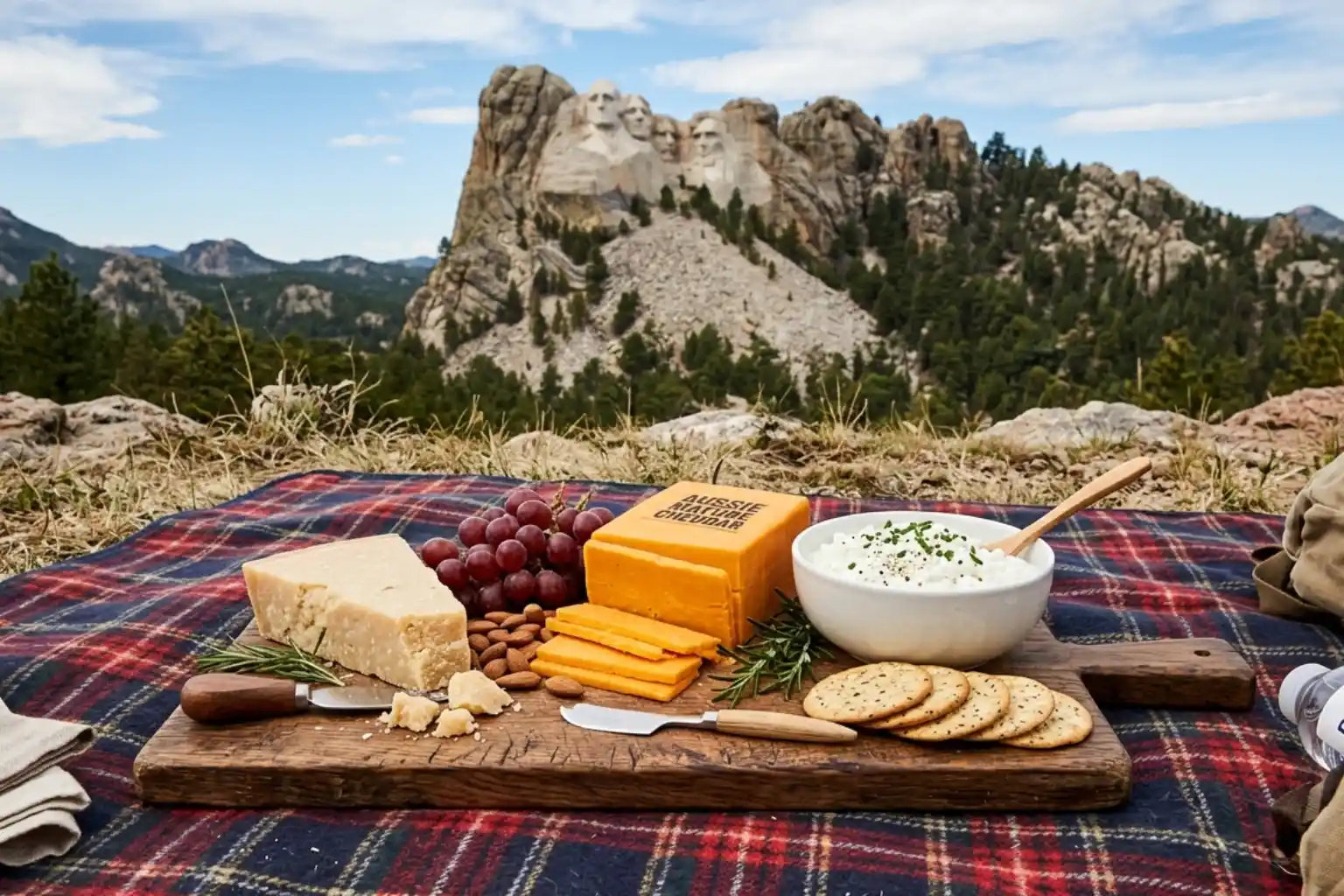

You are standing in the dairy aisle at Woolies or Coles staring at a wall of yellow and white blocks. You want to hit your protein targets for the day but you also actually want to enjoy your lunch. You might wonder if that block of feta is a better choice than a standard tasty cheese or if you should stick to the rubbery low fat options that taste like cardboard. Finding the best high protein cheese should not feel like a chemistry experiment. Most Aussies think of cheese as a fat bomb that ruins a diet, but for the savvy gym goer, it is actually a secret weapon for muscle growth and satiety.
If you struggle to hit your daily protein requirements without chugging three shakes a day, cheese offers a whole food solution that provides high quality casein protein. Whether you are meal prepping for a busy week in the office or looking for a quick snack between client meetings, understanding the macros behind your dairy choices is essential. This guide breaks down the numbers, debunks the myths, and helps you choose the right block for your goals.
Why Cheese is a Performance Food
Many people avoid cheese because they fear the saturated fat content. However, recent Australian health guidelines and peer reviewed studies suggest that dairy fat does not affect heart health the same way as processed fats. For someone training hard, cheese provides more than just calories. It delivers a massive hit of calcium for bone density and a steady release of amino acids.
Because cheese consists mostly of casein protein, it digests slowly. This makes it an ideal evening snack to prevent muscle protein breakdown while you sleep. When we look for the best high protein cheese, we are not just looking at the total grams of protein per serve. We are looking at the protein to calorie ratio. You want to maximise your intake of the good stuff without blowing your daily energy budget.
Hard Cheese versus Soft Cheese
The texture of your cheese tells you a lot about its nutritional profile. Generally, the harder the cheese, the higher the protein content. This is because the water has been removed during the ageing process, leaving behind a concentrated source of nutrients.
The King of Protein: Parmesan
If we look strictly at the numbers, Parmesan is the undisputed champion. It contains roughly 35 grams of protein per 100 grams. That is higher than chicken breast or lean beef. While you likely will not eat a 100 gram block of Parmesan in one sitting, even a 30 gram serve provides over 10 grams of protein. It is a fantastic way to boost the macros of a pasta dish or a salad without adding a lot of volume.
Australian Tasty Cheese and Cheddar
Cheddar is the staple of the Aussie diet. A standard Bega or Mainland tasty cheese block sits around 25 grams of protein per 100 grams. It is a solid, reliable choice for those who need a versatile option that melts well. If you are watching your calories, the “light” versions of these cheeses often increase the protein percentage while dropping the fat, making them a very efficient tool for fat loss.
Is Feta as Good as Normal Cheese?
This is a common question at the cafe when you are choosing between a breakfast wrap or smashed avo. Feta has a reputation for being healthier because it is often associated with the Mediterranean diet. However, when it comes to protein density, feta actually falls short of its harder cousins.
Standard cow milk feta contains about 14 to 16 grams of protein per 100 grams. It is also very high in sodium. While the strong flavour means you might use less of it, you are getting significantly less protein per gram than you would from a cheddar or a parmesan. If your goal is muscle hypertrophy, feta is a flavour enhancer rather than a primary protein source.
The Feta Myth
Many people believe goat or sheep milk feta is superior for digestion. While some find A2 type proteins easier on the gut, the macro profile remains similar. Feta is roughly 70% water, whereas hard cheese is much more concentrated. If you enjoy the tangy hit of feta, keep it in your diet, but do not rely on it as your best high protein cheese source for a post workout meal.
The Ultimate Cheese Macro Comparison
To make your next grocery shop easier, here is a breakdown of common cheeses found in Australian supermarkets. Values are approximate per 100 gram serve.
| Cheese Type | Protein (g) | Fat (g) | Calories (kcal) | Best Use Case |
| Parmesan (Hard) | 35g | 28g | 415 | Topping for meals |
| Swiss Cheese | 27g | 28g | 380 | Sandwiches and wraps |
| Cheddar (Tasty) | 25g | 33g | 400 | General snacking |
| Light Cheddar | 30g | 15g | 280 | Calorie deficit phases |
| Cottage Cheese | 11g | 2g | 90 | High volume snacks |
| Feta | 15g | 21g | 260 | Salads and flavour |
| Halloumi | 22g | 26g | 330 | Meat replacement |
| Ricotta | 11g | 10g | 150 | Whipped on toast |
Soft Winners: Cottage Cheese and Ricotta
While hard cheeses win on a gram for gram basis, soft cheeses win on volume. This is a game changer for busy professionals who want to feel full.
Cottage Cheese: The Bodybuilder Staple
There is a reason why old school bodybuilders lived on cottage cheese. It is arguably the best high protein cheese for anyone prioritising fat loss. A brand like Bulla or the Woolworths house brand provides about 11 grams of protein per 100 grams for a measly 90 calories. You can eat a whole tub and barely touch your calorie limit while hitting nearly 50 grams of protein.
Ricotta for Recovery
Ricotta is often overlooked but it is unique because it is made from whey. Most other cheeses are primarily casein. Whey is rapidly absorbed, making ricotta a decent option for a high protein breakfast. Spread it on sourdough with some berries or honey for a meal that supports muscle repair early in the day.
Aussie Cafe Culture and Cheese Choices
When you are out for brunch, the menu can be a minefield. You see halloumi, feta, and goat cheese everywhere. Halloumi is a popular choice for vegetarians, and with 22 grams of protein per 100 grams, it is a respectable option. However, be aware that most cafe serves are fried in oil, which significantly increases the calorie count.
If you are trying to stay lean, ask for your cheese on the side. This allows you to control the portion of feta or cheddar you actually consume. A small sprinkle of a best high protein cheese like sharp cheddar or a dusting of parmesan provides more bang for your buck than a thick slice of melted brie.
Shopping Tips for the Busy Professional
When you are at the shops, look at the back of the packet. Do not just look at the “Per Serving” column because serving sizes are often tiny to make the fat content look smaller. Look at the “Per 100g” column to compare different products fairly.
- Avoid Processed Slices: Things like plastic wrapped singles often contain fillers and less actual dairy protein.
- Go for Sharpness: Stronger tasting cheeses like extra sharp cheddar or aged parmesan allow you to use less while still getting the flavour and protein hit.
- Check the Sodium: Especially with feta and halloumi, the salt content can lead to water retention which might mask your progress on the scales.
How to Integrate High Protein Cheese Into Your Lifestyle
You do not need to eat blocks of cheese like a snack bar. Use it strategically to fill the gaps in your nutrition. Add cottage cheese to your scrambled eggs in the morning to make them fluffier and higher in protein. Use parmesan as a seasoning instead of just salt. Carry a couple of pre portioned light cheese sticks in your bag for those long afternoons when the office biscuit jar starts looking tempting.
Cheese is a whole food that satisfies cravings and provides essential nutrients that protein powders simply lack. By choosing the best high protein cheese for your specific goal, you can enjoy your food and still look great in the gym.
FAQ
What is the best high protein cheese for weight loss?
Cottage cheese is generally considered the best choice for weight loss because it has the lowest calorie density while maintaining a high protein count. It allows you to eat a large volume of food for very few calories, keeping you full for longer during a deficit. Choosing a light cheddar is also a great way to get the best high protein cheese benefits without the excess fat.
Can I eat cheese every day and still lose fat?
Yes, you can certainly eat cheese every day as long as it fits within your total daily calorie and macronutrient targets. Cheese is very satiating due to the combination of protein and fat, which can actually help prevent overeating other processed snacks. Always prioritise the best high protein cheese options like parmesan or light tasty cheese to maximise your results.
Is feta cheese better for you than cheddar?
Feta cheese is lower in calories and fat than traditional cheddar, but it also contains less protein per gram. If you are looking for the best high protein cheese to build muscle, cheddar or parmesan are superior choices. However, feta is a great way to add flavour to salads with fewer calories if you are strictly monitoring your energy intake.
Which cheese has the highest protein content per 100g?
Parmesan holds the title for the highest protein content, often reaching up to 35 grams per 100 grams. This concentration occurs because parmesan is a hard, aged cheese with very low water content. When searching for the best high protein cheese to add to your meals, parmesan provides the most protein in the smallest serving size.
Is halloumi a good source of protein for vegetarians?
Halloumi is an excellent protein source for vegetarians, offering around 22 grams of protein per 100 grams. It has a firm texture that makes it a satisfying meat substitute in burgers or wraps. To keep it as the best high protein cheese option, try grilling or air frying it instead of deep frying to avoid unnecessary added fats.
Final Thoughts
Making the right choice in the dairy aisle comes down to understanding your specific needs for the day. If you need a massive protein hit with minimal calories reach for the cottage cheese. If you want to add a punch of flavour and high quality protein to your dinner a sharp parmesan is your best friend. Cheese is not the enemy of a lean physique; it is a versatile delicious and convenient tool for any Aussie who takes their nutrition seriously. You should stop viewing your Woolworths or Coles shop as a chore and start seeing it as a strategic way to fuel your training sessions with high quality whole foods that taste great.
Long term success with your diet requires you to find foods that you actually enjoy eating while meeting your macros. By selecting the best high protein cheese for your current goal you ensure that you stay on track without feeling restricted or bored. Whether you are meal prepping for a high pressure week at the office or looking for a quick snack after a heavy lifting session dairy provides a reliable source of nutrition that supports your hormones and muscle recovery. Take the time to read the labels on your next grocery run and make the smart switch to a more protein dense block to maximise your performance.
