
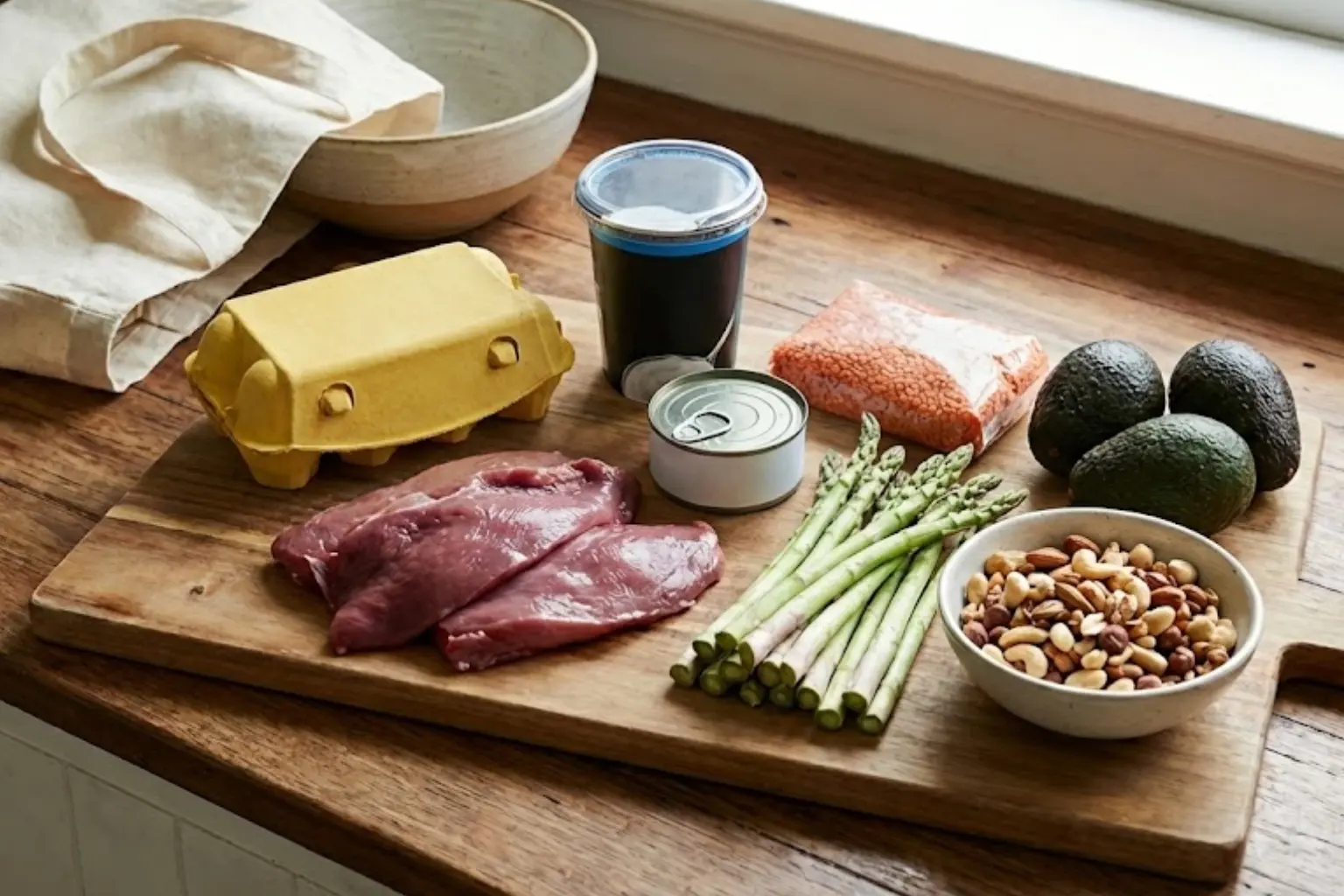

Ever woke up with a sore back just because you slept in a slightly different position? Welcome to the club. When you hit your forties, the rules of the fitness game change. You might notice that your recovery after a Saturday morning run takes until Tuesday, or that your muscles do not seem as firm despite hitting the gym twice a week. This shift is not just in your head. It is a biological reality. Understanding the requirements of protein for over 40s is the single most important factor for maintaining your physical independence and metabolic health as the years tick by.
For most Australians, protein is something we associate with bodybuilders or teenagers trying to bulk up. But once you cross that forty year milestone, protein stops being about vanity and starts being about survival. Your body begins to process nutrients differently, and if you do not adapt your diet, you risk losing the very foundation of your health: your muscle mass. This guide breaks down exactly why you need to prioritise your intake and how to do it without living on bland chicken breasts.
The Silent Muscle Slide: Understanding Sarcopenia
After the age of thirty, you naturally start to lose between three and eight percent of your muscle mass every decade. By the time you reach forty, this process often accelerates. Scientists call this sarcopenia. It sounds like a scary medical condition, but for many, it is just what happens when they ignore their changing nutritional needs.
Muscle is not just for looking good at Bondi Beach. It is your largest metabolic organ. It regulates your blood sugar, supports your joints, and keeps your metabolism firing. When you lose muscle, you do not just get softer; you become more prone to insulin resistance and weight gain. This is why many people find they suddenly “blow out” in their middle years even if they have not changed their eating habits. Prioritising protein for over 40s acts as a metabolic insurance policy against this natural decline.
Active Aussies often assume that just because they are moving, they are safe. However, exercise alone is not enough. You need the raw materials to repair the damage. Think of your body as a house that is constantly under renovation. In your twenties, the delivery trucks arrived every day with fresh bricks. In your forties, the trucks start showing up less often. If you do not demand more deliveries through your diet, the house eventually starts to crumble.
Why Your Body Becomes Resistant to Growth
One of the most frustrating parts of getting older is a phenomenon known as anabolic resistance. In your younger years, a small amount of protein was enough to trigger muscle protein synthesis. You could have two eggs on toast and your body would efficiently build new tissue.
As you age, your muscles become “deaf” to the signal of protein. You need a much higher dose of amino acids to get the same muscle building response. Research from the CSIRO and the National Health and Medical Research Council suggests that while the basic Australian recommendation is around 0.8 grams per kilogram of body weight, this is barely enough to prevent deficiency in sedentary people.
For someone over forty who wants to thrive, these old guidelines are outdated. Most experts now recommend a much higher range of 1.2 to 1.6 grams of protein per kilogram of body weight. This higher intake helps overcome that anabolic resistance and ensures your body actually uses the protein for repair rather than just burning it for energy.
The Thirty Gram Rule: Maximising Every Meal
The way you distribute your protein throughout the day matters just as much as the total amount. Most Australians eat a low protein breakfast (like Vegemite on toast), a moderate protein lunch, and then a massive mountain of protein at dinner. This is a mistake. Your body can only process so much protein for muscle repair in one sitting.
However, there is a minimum threshold you must hit to “turn on” the muscle building switch. This is often tied to an amino acid called leucine. To hit the leucine threshold and optimise protein for over 40s, you generally need about thirty grams of high quality protein per meal.
A Typical Aussie Day vs The Protein Guy Way
| Meal Type | The Standard Aussie Way | The Protein Guy Way (40+ Focus) |
| Breakfast | Two slices of white toast (6g protein) | High protein Greek yoghurt with nuts (30g protein) |
| Lunch | Salad sandwich or sushi rolls (8g protein) | Chicken breast salad or a lean beef wrap (35g protein) |
| Snack | An apple or a biscuit (1g protein) | A boiled egg and a handful of almonds (12g protein) |
| Dinner | Large steak or fish fillet (50g protein) | Grilled Barramundi with quinoa (35g protein) |
| Total | 65g Protein | 112g Protein |
By spreading your intake, you keep your body in an “anabolic” or building state for more of the day. This prevents the muscle breakdown that often happens between meals.
Real World Protein: Woolworths, Coles, and the Local Cafe
You do not need to live on bland food to hit your targets. The average Australian supermarket is packed with convenient options if you know what to look for. These choices make hitting your goals for protein for over 40s much easier for busy professionals.
Shopping at Woolworths and Coles
When you hit the aisles, look for these specific brands and products to ensure you hit your protein goals without having to cook everything from scratch.
- The Dairy Aisle: Grab YoPRO or Chobani Fit pots. These usually pack 15g to 20g of protein. For a cheese fix, Bega Light Stringers or Woolworths Light Tasty Cheese slices are great for a quick hit.
- The Meat Section: Kangaroo Loin Fillets are your secret weapon. They are incredibly lean and have about 30g of protein per 100g cooked. Also, look for Macro or Coles RSPCA approved chicken breast and extra lean beef mince.
- The Pantry: Vetta High Protein Pasta is a game changer with 24g of protein per serving. Stock up on Sirena Tuna in springwater (the 95g tins have about 18g of protein) and Macro organic lentils or chickpeas.
- The Bakery: Look for Burgen Lower Carb Higher Protein bread or the Macro High Protein rolls. These can add an extra 10g to 15g of protein to a simple sandwich.
- Quick Meals: Both Coles and Woolies stock My Muscle Chef or PerFORM frozen and fresh meals which are designed to hit that 30g plus protein mark instantly.
Seven Day High Protein Meal Plan
This plan is designed for a busy professional over 40. It focuses on hitting roughly 30g of protein at every main meal to keep your muscle mass protected and your hunger satisfied.
Day 1: The Kickstart
- Breakfast: Two large eggs scrambled with 50g of smoked salmon on one slice of Burgen High Protein toast.
- Lunch: One tin of Sirena Tuna (95g) mixed with half a cup of cottage cheese and salad in a Macro High Protein roll.
- Dinner: 150g grilled Kangaroo Loin Fillet with roasted sweet potato and steamed broccolini.
Day 2: Easy Prep
- Breakfast: One large YoPRO pot (160g) topped with a handful of almonds and berries.
- Lunch: Leftover kangaroo from last night sliced into a large garden salad with a few boiled eggs.
- Dinner: Vetta High Protein Pasta (100g dry weight) with lean beef mince bolognese sauce.
Day 3: Mid Week Energy
- Breakfast: Macro High Protein English muffin with sliced turkey breast and a slice of light tasty cheese.
- Lunch: My Muscle Chef ready meal (e.g. Beef Stroganoff or Cajun Chicken).
- Dinner: Baked barramundi fillet (150g) with a side of quinoa and sautéed spinach.
Day 4: Plant and Poultry
- Breakfast: Protein smoothie using one scoop of bulk nutrients or Coles whey protein with a cup of high protein milk.
- Lunch: Grilled chicken breast (150g) wrap using a Simson’s Pantry Low Carb wrap with plenty of salad.
- Dinner: Stir fry using 200g of extra lean pork strips, ginger, garlic, and heavy on the green veggies.
Day 5: The Office Hustle
- Breakfast: One cup of low fat cottage cheese mixed with pineapple chunks and a sprinkle of chia seeds.
- Lunch: Two Bega Light Stringers and a large chicken and salad sandwich on Burgen bread.
- Dinner: Lean beef burgers (no bun) topped with a fried egg and served with a side of “air fried” potato wedges.
Day 6: Weekend Cafe Vibes
- Breakfast: Smashed avocado on Macro High Protein toast topped with two poached eggs and a side of lean bacon.
- Lunch: Prawn and mango salad with 150g of cooked prawns (found at the deli counter).
- Dinner: Roast chicken breast (skin removed) with roast pumpkin, peas, and a small serve of gravy.
Day 7: Prep for the Week
- Breakfast: Omelette made with three egg whites and one whole egg, filled with mushrooms and ham.
- Lunch: Coles PerFORM meal or a large bowl of lentil and vegetable soup with added shredded chicken.
- Dinner: 150g grilled steak (eye fillet or scotch fillet) with grilled asparagus and a small baked potato.
Ordering at the Cafe
When you are out with friends, look for meals that lead with protein. Instead of just “Avo on Toast,” ask for a side of two poached eggs and some smoked salmon. If you are grabbing a salad, ensure there is at least a palm sized portion of chicken, tofu, or lamb included. Avoid the “Big Breakfast” traps that are mostly hash browns and toast; focus on the eggs, beans, and lean meats instead.
Debunking the Myths: Kidneys and “Too Much” Protein
One of the biggest hurdles people face when trying to increase their protein is fear based misinformation. You might have heard that “too much protein is bad for your kidneys.” This is one of the most common myths when discussing protein for over 40s.
For a healthy person with no pre existing kidney disease, there is no evidence that a high protein diet causes damage. Your kidneys are incredibly efficient at filtering the byproducts of protein metabolism. Another common myth is that protein is only for people who lift heavy weights. While resistance training is vital for muscle health, protein is required for your immune system, your skin, your hair, and your hormones.
If you are over forty, the real danger is not eating too much protein; it is eating too little. Sarcopenia and the resulting frailty are far more common and dangerous than any hypothetical kidney issue. Always listen to your body and consult a professional if you have specific medical concerns, but for the vast majority of us, more protein equals better health.
The Role of Leucine in Healthy Ageing
We mentioned leucine earlier, and it is worth a deeper dive. Not all proteins are created equal. Some are better at stimulating muscle growth because they contain higher concentrations of essential amino acids. This is a critical detail when planning protein for over 40s.
Leucine is essentially the “ignition key” for the muscle building engine. Animal proteins like whey, dairy, beef, and eggs are naturally high in leucine. If you prefer a plant based diet, you can still hit your goals, but you need to be more strategic. Plant proteins like lentils and beans are great, but they often have lower leucine levels. This means you might need to eat a larger volume or combine different sources (like rice and beans) to get the same effect as a piece of steak or a scoop of whey protein.
For the busy professional or traveller, a high quality whey protein isolate is a convenient way to ensure you hit that thirty gram threshold, especially when breakfast options are limited to hotel cereals or airport pastries.
FAQ: Protein for Over 40s
How much protein do I actually need every day?
Most active Australians should aim for at least 1.2 to 1.5 grams of protein per kilogram of body weight to ensure sufficient protein for over 40s. If you weigh 80kg, that means targeting between 96g and 120g of protein daily. This amount supports muscle repair and metabolic health as you age.
Can I get enough protein on a plant based diet?
Yes, you can absolutely meet your requirements, but you must be more intentional about your choices regarding protein for over 40s. Focus on soy products, lentils, and chickpeas while ensuring you eat enough total volume to hit your leucine needs. Complementing different plant sources can provide a full amino acid profile.
Is it better to eat protein before or after my workout?
While the total daily amount is what matters most, having a protein rich meal after exercise can help maximise the benefits of protein for over 40s. Aim for twenty to thirty grams of protein within a few hours of finishing your session to support muscle repair. This timing helps combat the anabolic resistance common in middle age.
Will eating more protein make me bulky?
No, eating protein will not make you bulky unless you are also consuming a massive surplus of calories and lifting extremely heavy weights. For most people, focusing on protein for over 40s simply helps you maintain a lean, functional, and healthy body composition. It supports muscle maintenance rather than excessive growth.
Does the quality of the protein source matter?
Yes, high quality sources like lean meats, eggs, and dairy provide all the essential amino acids needed for protein for over 40s. If you rely on plant sources, try to vary your intake throughout the day to ensure you get a complete profile of nutrients. This variety ensures you hit the necessary leucine threshold for muscle synthesis.
Is protein powder necessary for people over 40?
Protein powder is a convenient tool rather than a necessity for managing protein for over 40s. It is especially useful for busy professionals who struggle to find high protein options while travelling or between meetings. A quality whey or plant isolate can help you reach your daily targets efficiently.
Final Thoughts: Take Control of Your Health
Hitting forty is not a signal to slow down, but it is a clear message that your body requires a more specialised approach to nutrition. By prioritising protein for over 40s, you are choosing to invest in your future self and your long term physical freedom. You are moving beyond the goal of simply looking good and moving toward the goal of staying functional, strong, and metabolically active for the decades ahead. This shift in focus ensures that you can continue to enjoy the active Aussie lifestyle, whether that means chasing your kids around the backyard or keeping up with your wife and kids, or mates on a weekend hike.
Consistency always beats perfection when it comes to your diet and performance. You do not need to overhaul your entire life overnight, but you do need to start making more intentional choices at the checkout and the cafe. Focus on hitting that thirty gram target at your next meal and look for those easy high protein wins at Woolworths or Coles. When you treat protein as a non negotiable part of your daily routine, you give your body the essential tools it needs to thrive well into your fifties, sixties, and beyond.
So, after reading this, what are you going to do about your protein intake?
