
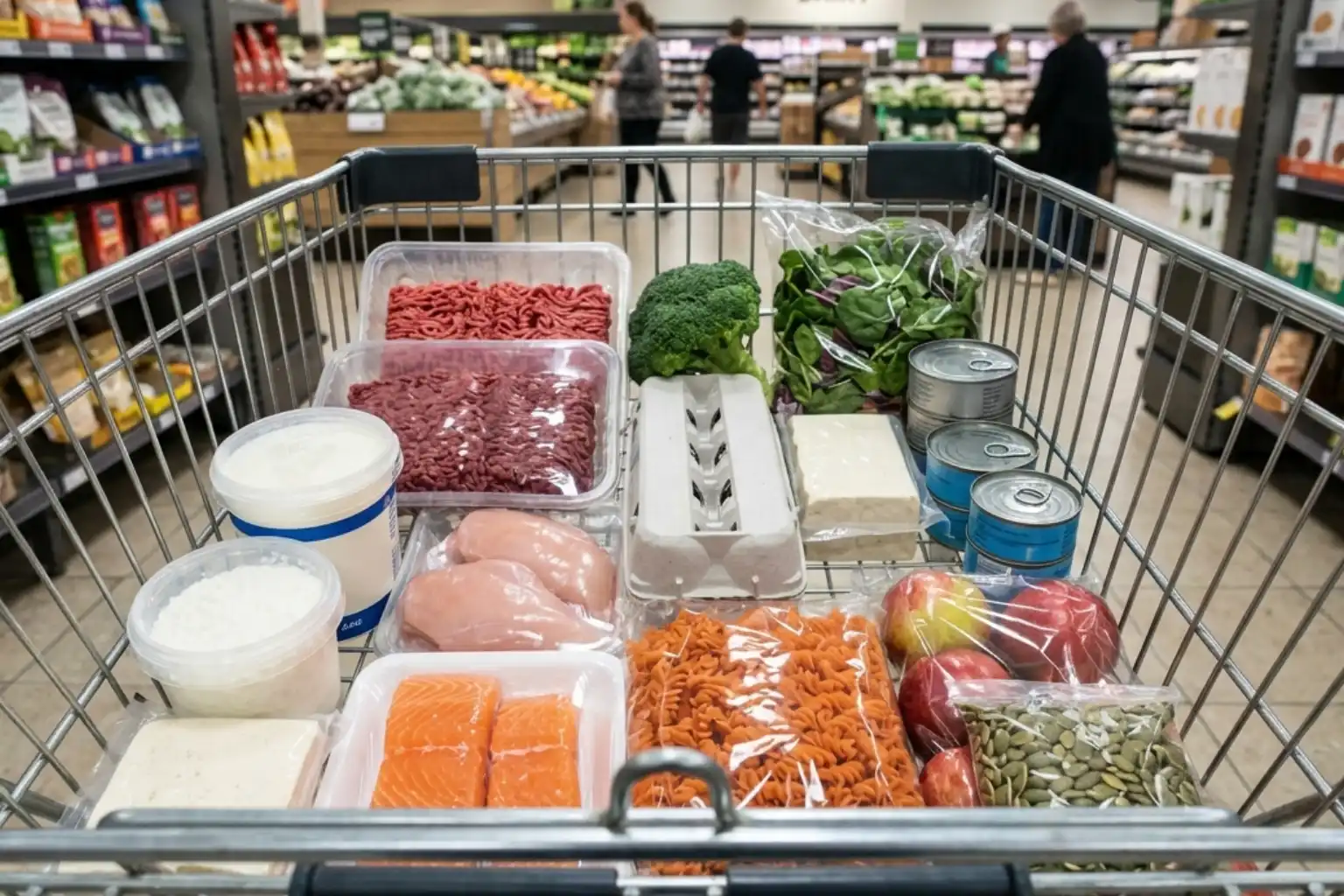

Most people leave the supermarket with a trolley full of random snacks instead of a week of proper fuel. Smart grocery shopping tips for a high protein lifestyle start with a simple shift in mindset: you are not buying food, you are buying raw materials for recovery, energy and satiety. Get this right and you will build muscle, recover faster, and stop hitting the 3pm slump at your desk.
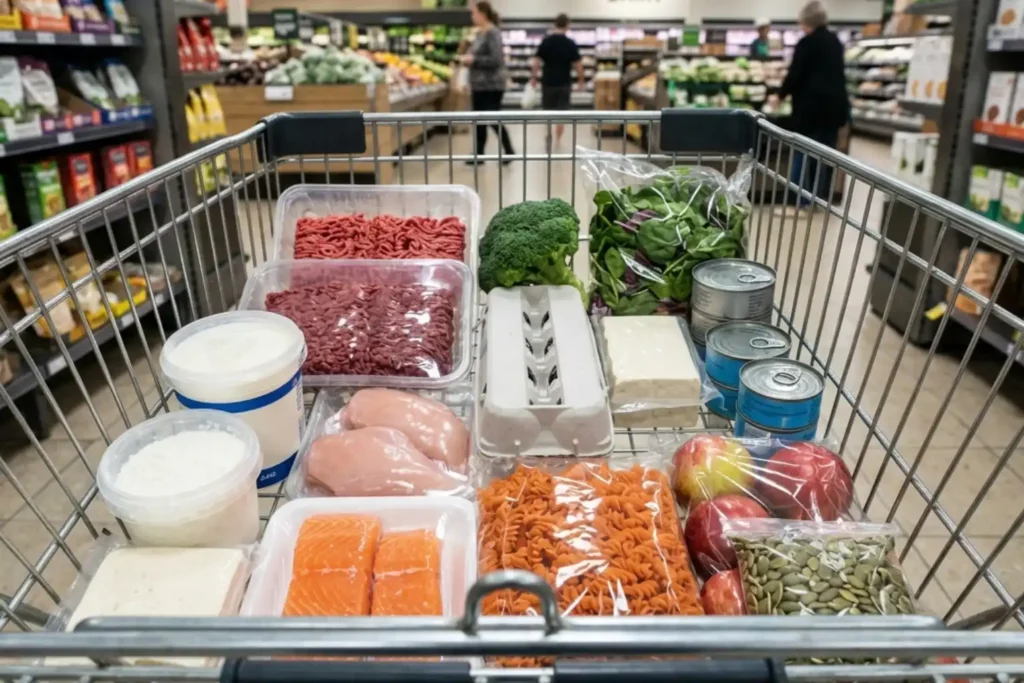
Why Protein Density Matters for the Busy Aussie
Protein is the building block for every cell in your body. For an active Australian, it does more than build muscle. It supports immune function, repairs tissue after training, and provides the fullness that stops you raiding the office biscuit tin. The National Health and Medical Research Council sets baseline protein guidelines for the general population, but those baselines are built for sedentary adults, so anyone training regularly usually needs more.
This is why protein density matters more than protein alone as part of any smart grocery shopping tips for a high protein lifestyle approach. Protein density means choosing foods that deliver the most protein for the fewest calories, so you hit your targets without blowing your energy budget on fat and filler. A fridge stocked with lean, ready to go protein removes decision fatigue on your busiest days, which is often the real reason people end up at the drive through.
The Perimeter Strategy: Navigating the Aisles
Australian supermarkets are laid out on purpose. Fresh whole foods sit around the edges, and processed, calorie dense items fill the middle aisles. This is where most smart grocery shopping tips for a high protein lifestyle actually play out, so spend most of your shop on the perimeter and the rest becomes far easier.
The Meat and Seafood Section
This is your engine room. Look for lean cuts of beef, pork and lamb, and choose heart smart or lean mince to keep saturated fat in check. Do not overlook kangaroo. It is naturally lean, high in iron, and one of the most protein dense meats available in an Australian supermarket.
Seafood is a good change of pace. Barramundi, snapper and frozen white fish fillets all deliver high quality protein with very little fat. Pre portioned salmon costs a bit more but the omega 3 content supports joint health and focus, which matters as much in the office as it does in the gym.
The Dairy and Fridge Case
Dairy has moved well past milk and cheddar. Greek yoghurt is close to essential here. Look for tubs with fifteen to twenty grams of protein per serve and minimal added sugar, and use it as a base for breakfast or a fast post workout snack. Cottage cheese is underrated too, and works just as well in a savoury bowl as it does with fruit.
If you are lactose intolerant, most supermarkets now stock high protein, lactose free milk and soy alternatives that match dairy on protein content. Check the label rather than the front of pack marketing, since that is where the real numbers live.
Plant Based Power in the Grocery Trolley
You do not need meat at every meal to keep protein high. Plant sources bring fibre with them, which supports gut health and helps you stay full for longer. Tofu, tempeh and seitan are the easiest places to start when you are building smart grocery shopping tips for a high protein lifestyle around plants rather than meat.
Firm tofu holds up well in a stir fry, while silken tofu blends into a smoothie without changing the flavour. Chickpeas, lentils and black beans add protein alongside complex carbohydrates and fibre, and if you buy the canned versions, rinse them well to cut the sodium. Plant based mince and meat alternatives can be a useful bridge, but check the nutrition panel first, since some rely on added sodium and fat to mimic the taste of meat.
Comparing Protein Sources: Value and Density
Use this as a quick reference next time you are standing in the aisle deciding between two products.
| Food Item (100g) | Protein (g) | Calorie Count (approx) | Best Use Case |
| Chicken Breast (No skin) | 31g | 165 | Meal prep staple for lunch |
| Kangaroo Mince | 26g | 100 | Ultra lean dinner option |
| Greek Yoghurt (Plain) | 10g | 60 | Breakfast or snack base |
| Firm Tofu | 12g | 90 | Plant based stir fry |
| Canned Tuna (in springwater) | 25g | 110 | Emergency office snack |
| Eggs (2 large) | 12g | 140 | Breakfast or boiled snack |
| Bega Light Stringers | 6g | 60 | Portable fat loss snack |
Lean meats, tinned fish and Greek yoghurt consistently give you the highest protein yield for the lowest calorie cost, which is the whole point of shopping this way.
Pantry Staples Worth Stocking
The inner aisles are not off limits, they just need more care. Tinned tuna and sardines mean a high protein meal is always two minutes away, so keep a few in the cupboard. Choose springwater over oil to keep the calories down.
Red lentil or chickpea pasta is a simple swap that lifts the protein content of an ordinary spaghetti bolognese without changing how you cook it. Raw nuts and seeds are worth keeping on hand too, since a spoon of pepitas over a salad adds crunch and a few extra grams of protein without much effort.
Protein powder and bars belong here as backup, not as your main source. A quality whey isolate or plant based powder earns its place when you are travelling or genuinely short on time. For bars, look for at least twenty grams of protein and under five grams of sugar so you are not just eating a chocolate bar with a label.
If you’re looking for a protein powder, check out our top protein list here – Top Protein Powders in Aus
Common myths about High Protein Shopping
Many people hesitate to commit to a high protein diet because of common misconceptions. Let us clear the air. One major myth is that eating high protein is too expensive. While steak prices can fluctuate, buying in bulk or choosing cheaper cuts like chicken thighs (skin removed) and kangaroo makes it very affordable. Buying seasonal produce and utilising tinned legumes also keeps the budget under control.
Another myth suggests that you can only absorb thirty grams of protein at a time. Recent research indicates that your body is much more efficient at processing protein than previously thought. While spreading your intake across the day is optimal for muscle protein synthesis, the total daily amount is what truly moves the needle. Smart grocery shopping tips for a high protein lifestyle focus on the big picture of your weekly intake rather than obsessing over every single gram in one sitting.
Lastly, some worry that a high protein diet is boring. This only happens if you lack variety. Use the diverse range of spices and sugar free sauces available in Australian stores to change the flavour profile of your meals. A chicken breast can be Mexican, Thai, or Italian depending on what you grab from the spice aisle.
FAQ
How do I start smart grocery shopping tips for a high protein lifestyle on a budget?
Buy large packs of mince, eggs and frozen vegetables, and lean on tinned tuna and dried lentils to keep protein high without the cost. Watch the weekly catalogues for meat and dairy specials and stock the freezer when prices drop.
Can I follow smart grocery shopping tips for a high protein lifestyle if I am vegan?
Yes. Prioritise tofu, tempeh, seitan and a wide range of legumes so you get a full spread of amino acids across the week. Fortified soy milk and a plant based protein powder can help fill any gaps.
What are the best snacks for smart grocery shopping tips for a high protein lifestyle?
Boiled eggs, Greek yoghurt tubs and light cheese sticks are portable and need no preparation, which makes them easy wins on a busy day. Keeping a few in the fridge is usually enough to avoid reaching for something sweet instead.
Does this approach work with frozen food?
Yes, frozen berries, vegetables, fish fillets and pre cooked chicken strips are often just as nutritious as fresh and last far longer. Just check for added sauces or heavy breading before you buy.
Do I need to buy organic to hit my protein goals?
No. Organic is a personal choice, not a requirement for good body composition. Standard lean meats and dairy deliver the same protein results, so spend that budget where it makes the biggest difference to you
What should I actually look for on a nutrition label?
Check the per 100g column so you can compare products fairly, rather than relying on front of pack claims. Aim for a high protein to calorie ratio and keep an eye on added sugar while you are there.
Final thoughts on Mastering Your Shopping
Your trolley is a fairly accurate preview of your week. Prioritise protein density, shop the perimeter first, and keep a few smart pantry staples on hand, and the rest of your nutrition gets noticeably easier. Treat your weekly shop as a short strategic task rather than a chore and you remove a lot of the willpower that usually gets spent fighting off mid week takeaway.
Pick three new protein sources from this guide on your next shop and build a couple of meals around them. That is the real habit behind smart grocery shopping tips for a high protein lifestyle: small, repeatable changes at the checkout that add up to a very different fridge, and a very different week, within a month.
