
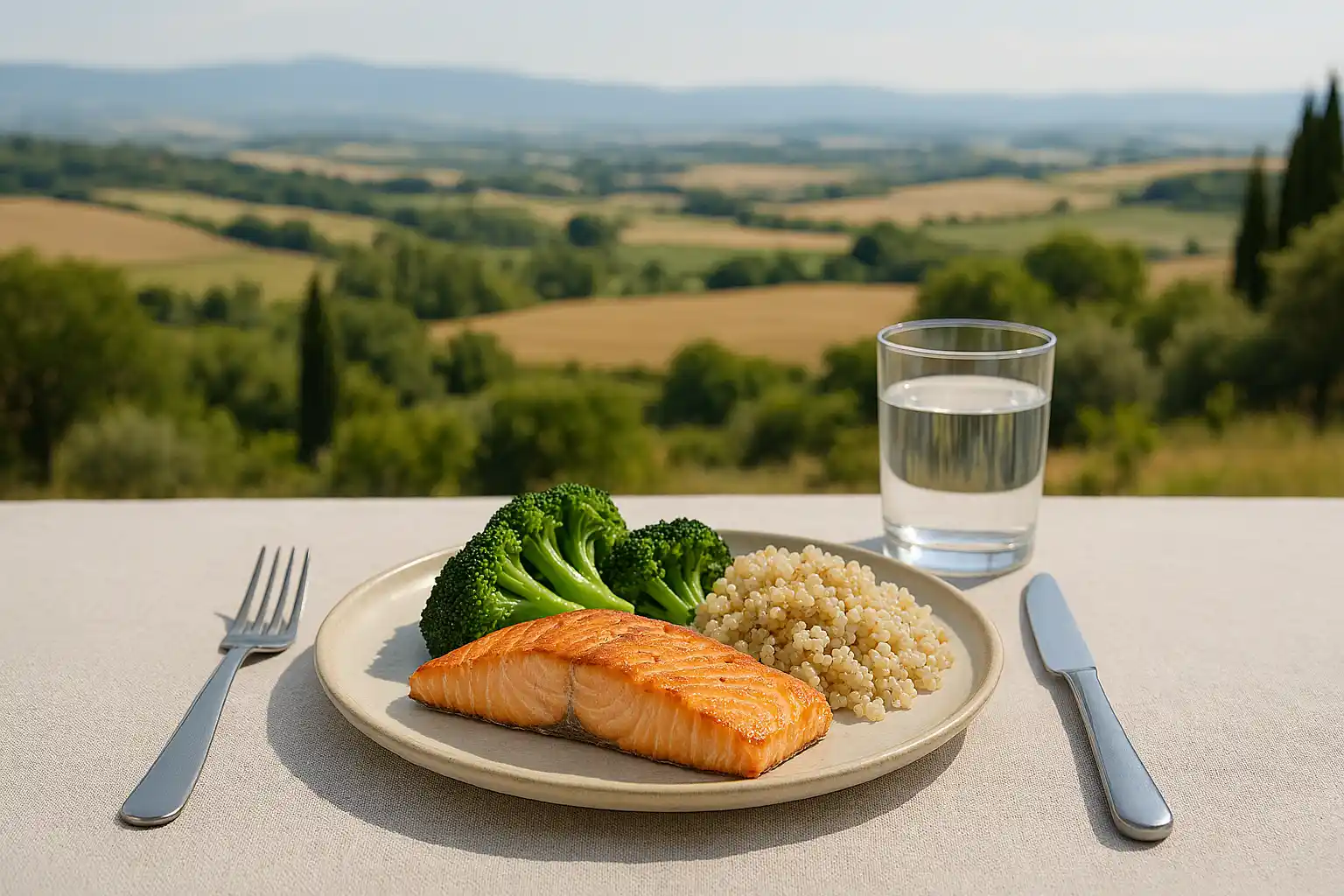

If you want to build muscle, lose fat, or simply eat smarter, macro tracking is one of the most effective tools available. By understanding how protein, carbohydrates, and fats fuel your body, you can fine-tune your diet to match your training and lifestyle goals. The idea isn’t to obsess over numbers but to use macros as a guide to eat in a balanced, goal-driven way.
In this guide, we’ll break down the three main macronutrients, explain why they matter, and show you how to track them without overcomplicating your nutrition.

What are macronutrients?
Macronutrients, often called macros, are the three primary nutrients your body needs in large amounts: protein, carbohydrates, and fats. They provide calories, support growth and repair, and keep your body functioning at its best. Unlike vitamins and minerals (micronutrients), macros directly supply energy.
- Protein → Builds and repairs muscle tissue.
- Carbohydrates → Your body’s main energy source.
- Fat → Supports hormone production, joint health, and long-term energy.
Understanding how to balance these macros is the foundation of effective macro tracking.
Why use macro tracking?
Many diets focus on strict food rules or calorie limits. While these approaches can work short-term, they often ignore how your body actually uses food. Macro tracking takes things a step further by not just counting calories but also ensuring you get the right mix of protein, carbs, and fats.
The benefits include:
- Better muscle growth and recovery: Sufficient protein intake supports lean mass.
- Improved energy levels: Carbs provide the fuel for both high-intensity training and daily tasks.
- Balanced hormones and brain function: Healthy fats play a crucial role in metabolism and focus.
- Flexibility: You can eat a wide range of foods as long as they fit your macro goals.
Whether your aim is weight loss, performance, or maintenance, macro tracking gives you control and insight into your nutrition.
Protein: the muscle builder
Protein is the most talked-about macro for athletes, bodybuilders, and anyone who wants to look lean and strong. It is made up of amino acids, which are the building blocks for muscles, enzymes, and hormones.
Why it matters in macro tracking:
- Supports muscle growth and recovery after workouts.
- Helps control hunger, keeping you fuller for longer.
- Preserves lean muscle when in a calorie deficit.
How much do you need?
A general guideline for active people is 1.6–2.2 grams of protein per kilogram of body weight per day. For example, a 75 kg person aiming to build muscle would benefit from 120–165 grams of protein daily.
Best sources of protein:
- Chicken, turkey, beef, and fish.
- Eggs and dairy (Greek yoghurt, cottage cheese).
- Plant-based options like lentils, chickpeas, tofu, and tempeh.
- Protein powders for convenient supplementation.
Carbohydrates: your energy supply
Carbs are your body’s main source of fuel, especially during exercise. When you eat carbs, they’re broken down into glucose, which is either used immediately for energy or stored in muscles and the liver as glycogen.
Why it matters in macro tracking:
- Provides energy for workouts, particularly high-intensity training.
- Supports brain function and focus.
- Replenishes glycogen to aid recovery between sessions.
How much do you need?
Carb needs vary based on activity:
- Light activity: 3–5 g per kg body weight per day.
- Moderate activity: 5–7 g per kg.
- High activity or endurance training: 7–10 g per kg.
Best sources of carbohydrates:
- Whole grains like oats, rice, and quinoa.
- Fruits and starchy vegetables like bananas, potatoes, and sweet potatoes.
- Legumes such as beans and lentils.
- Occasional simple carbs (e.g., sports drinks, lollies) for quick energy around workouts.
Fat: essential for balance
Fat often gets a bad reputation, but it’s crucial for overall health. It helps absorb vitamins, produces hormones, and provides long-lasting energy. The key is focusing on the right kinds of fat.
Why it matters in macro tracking:
- Supports hormone health, including testosterone and estrogen.
- Promotes brain function and focus.
- Aids in the absorption of fat-soluble vitamins (A, D, E, and K).
How much do you need?
Most people benefit from 20–35% of daily calories coming from fat. That usually translates to 0.8–1 g of fat per kg of body weight.
Best sources of fat:
- Avocados, olive oil, and nuts.
- Fatty fish like salmon and mackerel.
- Seeds (chia, flax, sunflower).
- Nut butters in moderation.
How to track your macros
Tracking macros doesn’t have to be complicated. A few steps can make it simple:
- Set your calorie target. Start with your total daily energy expenditure (TDEE), which estimates how many calories you burn daily.
- Assign macro percentages. A balanced split for many athletes is 40% carbs, 30% protein, 30% fat. Adjust based on your goals.
- Log your food. Use apps like MyFitnessPal, Cronometer, or a basic spreadsheet to keep track.
- Stay consistent, not perfect. Hitting your macros within a 5–10g range daily is good enough.
Common mistakes in macro tracking
Even though macro tracking is simple in theory, there are common pitfalls to watch out for:
- Focusing only on calories and neglecting macro balance.
- Relying on processed foods instead of whole, nutrient-rich options.
- Being too strict, which can lead to burnout.
- Ignoring fibre and micronutrients, which are equally important for long-term health.
Remember, macro tracking is a tool, not a diet prison. The goal is to build a sustainable, flexible way of eating.
FAQ: Macro tracking made simple
Do I need to track macros forever?
No. Many people use macro tracking as a short-term learning tool to understand portion sizes and nutrition balance. Once you’re confident, you can transition to more intuitive eating.
Is macro tracking only for bodybuilders?
Not at all. Macro tracking benefits anyone who wants to improve body composition, performance, or general health.
Can I lose weight with macro tracking?
Yes. By keeping protein high and adjusting carbs and fats, macro tracking helps create a calorie deficit while preserving muscle.
Do I have to cut out my favourite foods?
No. One of the biggest benefits of macro tracking is flexibility. You can fit in treats as long as they align with your daily macro targets.
Is tracking macros better than just counting calories?
Yes, because calories only measure energy, while macros ensure you get the right nutrients to support your goals.
Key takeaways
- Macro tracking helps you balance protein, carbs, and fat for your goals.
- Protein builds and repairs muscle, carbs fuel your training, and fat supports hormones and brain health.
- The right macro split depends on your activity, body weight, and objectives.
- Tracking is easier than ever with apps and doesn’t need to be perfect—consistency is what matters.
Understanding how protein, carbohydrates, and fats work together is the first step in making nutrition less confusing and more practical. Macro tracking doesn’t have to feel overwhelming or like it’s reserved only for bodybuilders and athletes. By focusing on a few key principles, anyone can use macro tracking to improve energy levels, support training goals, and build a balanced diet that works long term.
