

The Journey of Protein Powder: From Raw Material to Muscle Fuel
Protein powder has become a staple in the diets of athletes, bodybuilders, and health enthusiasts alike. Its popularity stems from its ability to provide a concentrated source of protein, which is essential for muscle repair and growth. But have you ever stopped to ponder the process that transforms raw ingredients into the fine powder that mixes into your post-workout shake or post training shake? Let’s delve into the fascinating journey of protein powder creation.
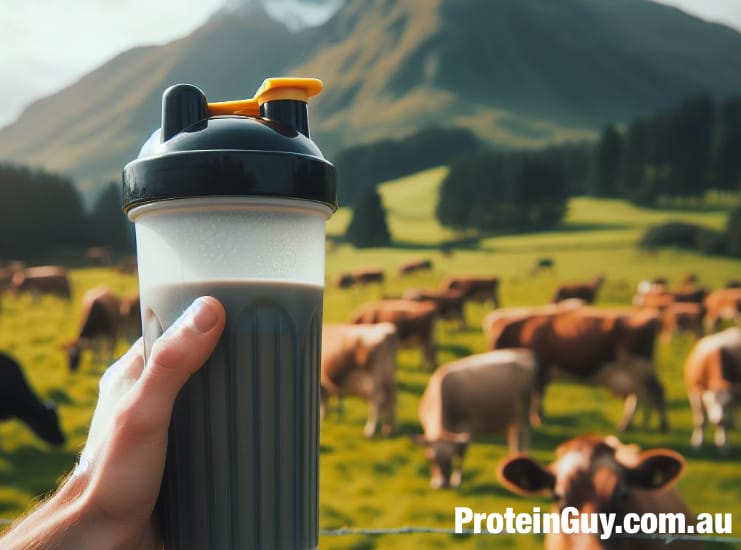
First up is the making of dairy based protein powder: From animal to shaker
The Raw Materials
Dairy protein powders begin with the selection of high-quality raw materials. These can be derived from various sources, including cow’s milk or whey and casein. The choice of raw material will ultimately influence the amino acid profile and digestibility of the final protein powder product.
Extraction and Isolation
The next step in making protein powder involves extracting the protein from these raw materials. For dairy-based powders like whey and casein, this process starts with pasteurized milk. Enzymes are added to the milk to induce curdling, separating the solid and liquid components. The liquid whey is then collected and may undergo spray drying, while the solid part can be used to produce casein or cheese.
Concentration and Purification
After extraction, the protein undergoes concentration and purification processes. This is where protein concentrates and isolates are differentiated. Concentrates retain more of the natural nutrients found in whole whey, including fats and lactose, while isolates are processed further to remove these elements, thus resulting in a higher protein content.
Drying and Pulverising
The concentrated protein solution is then dried, often through a process called spray drying, which transforms the liquid into a fine, powdery substance. This powder is then pulverised to ensure a consistent texture and solubility.
Quality Checks
Before the protein powder can hit the shelves, it usually must undergo rigorous quality checks. These tests ensure that the product meets specific standards for protein content, purity, and absence of contaminants before it heads off to the manufacturers.
Packaging and Distribution
Once processed, the protein powder is packaged and distributed to retailers or directly to consumers. The packaging is designed to protect the powder from moisture and other environmental factors that could compromise its quality.
To finish off dairy based protein powders
Both whey and casein powders are complete proteins, meaning they contain all nine essential amino acids necessary for muscle building and repair. The difference between them lies in their absorption rates; whey protein is absorbed quickly by the body, making it ideal for post-workout recovery, while casein is absorbed more slowly, providing a steadier release of amino acids.
Understanding the process behind dairy protein powder production can help you make informed choices about your protein supplementation and appreciate the journey from animal to shaker more.
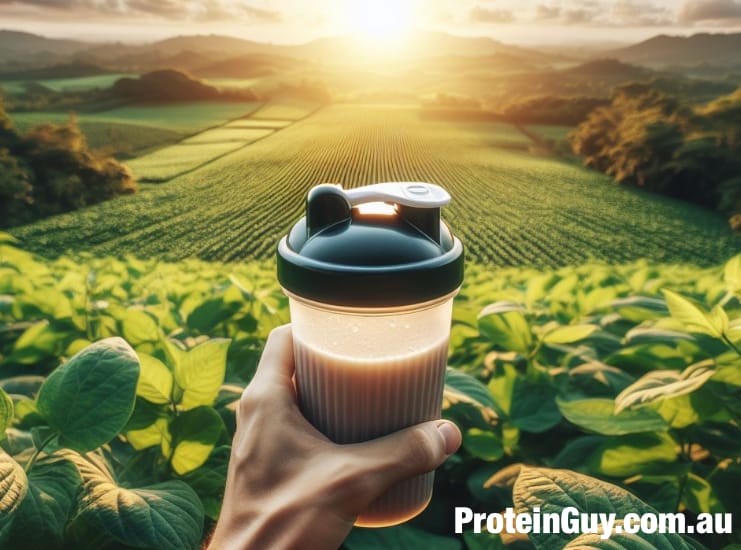
Making plant based protein powder: From field to shaker
Plant protein powders have become a staple in the diets of many health-conscious individuals, offering a convenient and efficient way to increase protein intake, especially for those following a plant-based diet. But how exactly is this popular supplement created?
The process begins with the selection of protein-rich plant sources, such as peas, rice, hemp, or soy and these plants undergo a series of steps to isolate the protein in them.
Harvesting
Outside of growing or farming the plants, the initial step from farm to shaker involves harvesting the plant material that contains protein.
Processing and Extraction
After harvesting, the plant material is processed, generally to remove fats, carbohydrates, and fibre, which leaves behind the raw plant protein. This step may involve various techniques, including centrifugation, filtration, or precipitation.
Isolation
Once extracted, the plant protein is isolated to increase its purity if needed. This often involves additional filtration steps or separation techniques.
Drying
The isolated plant protein is then dried, which turns it into a powder form.
Flavouring and Packaging
The final step in the process from farm to shaker, the plant protein powder is often flavoured to improve taste and then packaged for distribution.
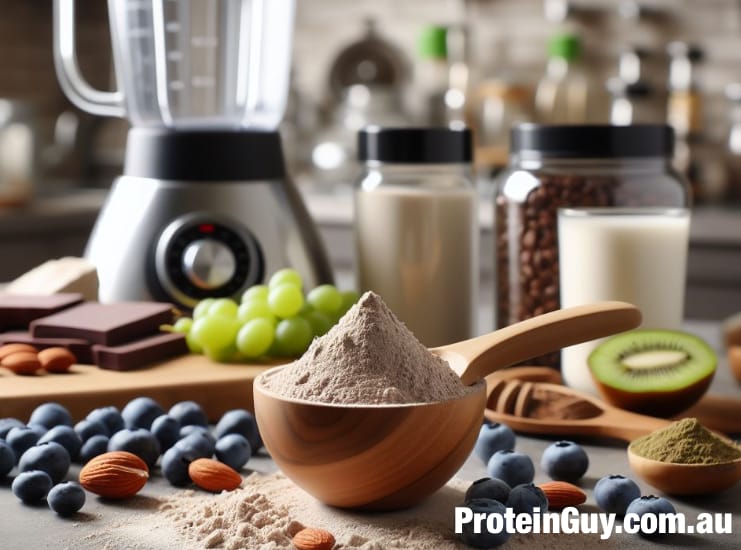
To finish off plant based protein powders
Throughout this process, manufacturers aim to maintain the nutritional integrity of the plant protein and ensure that the final product is free from contaminants. The result is a versatile and easily digestible protein powder that can be added to shakes, smoothies, or meals, providing a plant-powered boost to your daily nutrition.
Plant protein powders are not only beneficial for muscle recovery and growth but also for those seeking to balance their nutrition in a plant-forward way. With a variety of sources and flavours available, plant protein powders cater to a wide range of dietary needs and preferences, making them an essential part of many health enthusiasts’ routines.
Whether you’re an athlete or simply looking to enhance your protein intake, plant protein powders offer a convenient and effective solution.
No doubt (not the band)
The creation of protein powder is a complex process that requires careful attention to detail at every stage. From the selection of raw materials to the final quality checks, each step is crucial in ensuring that the end protein product is both effective and safe for consumption.
Whether you’re a seasoned athlete or simply looking to supplement your diet, understanding the origins of your protein powder can help you make informed choices about your nutrition.
For those interested in the specifics of different protein types, such as whey isolate or casein, or the benefits of plant-based options like soy or pea protein, further reading is available on a lot of different health and nutrition websites (ranging from simple explanations to fully researched published papers).
In conclusion, protein powder, whether your preference is dairy or plant based, is more than just a convenience; it’s actually a testament to the ingenuity of food science and technology, providing all of us with a versatile and efficient means to support our dietary needs and fitness goals.
