

Are you looking for the ultimate way to shatter your current personal records and boost your endurance? Many elite Australian athletes are turning away from standard gym floors to embrace extreme environmental conditions. Understanding how altitude and heat training affect performance and recovery can give you the definitive edge you need to outperform your rivals.
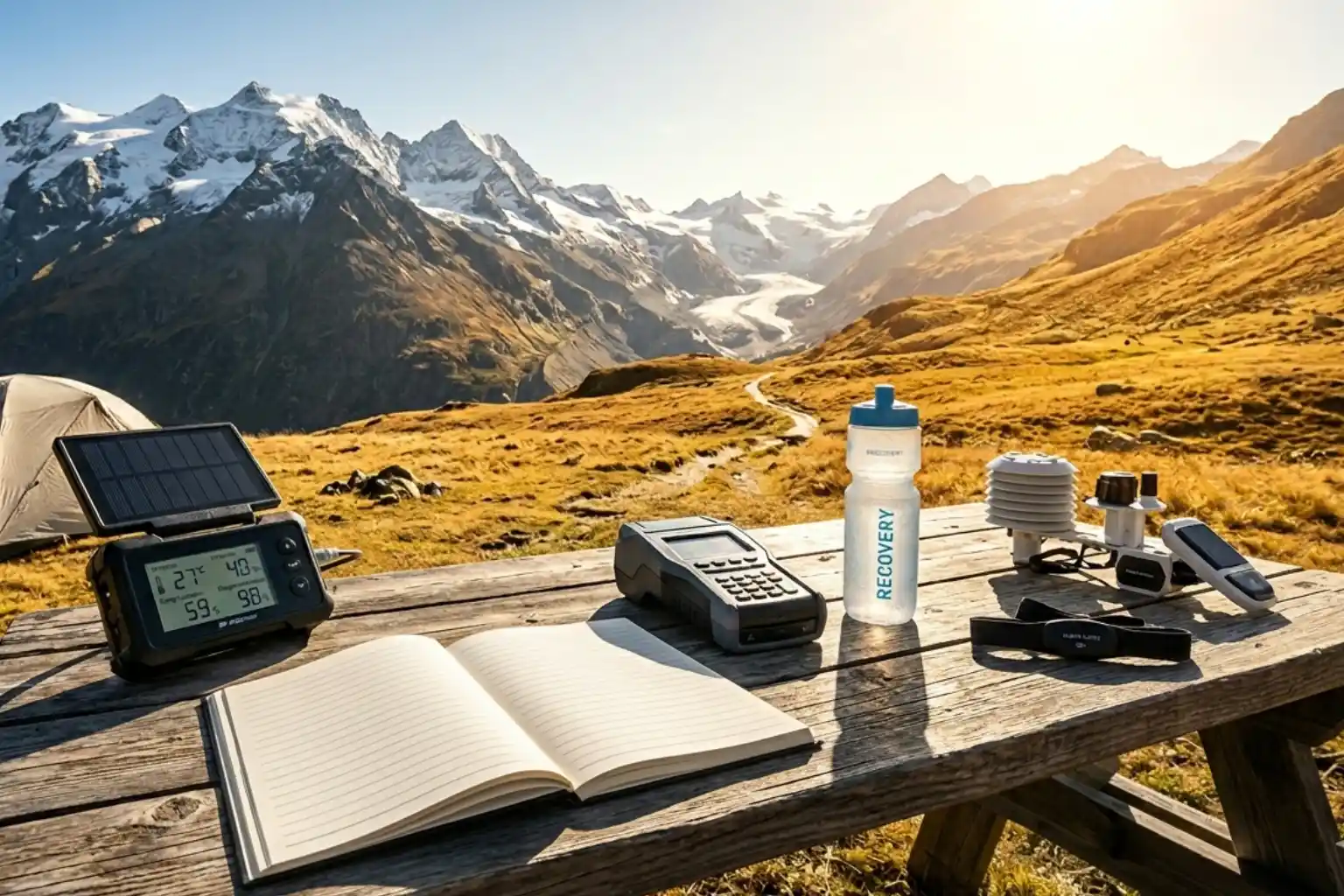
Whether you want to smash a local fun run or dominate a high intensity sports season, manipulating environmental stress alters your physiology in fascinating ways. However, if you execute these methods incorrectly, you will quickly crush your recovery and stall your progress entirely. Let us look at the deep science behind altitude and heat training so you can unlock elite level adaptation and smash your goals.
The Science of Altitude and Heat Training
To understand why environmental conditioning works, you must appreciate how the human body reacts to extreme physical stress. When you train in a low oxygen environment at high altitude, your body immediately notices the drop in oxygen saturation. This condition of hypoxia triggers a cascade of cellular responses that forces your kidneys to release a hormone called erythropoietin.
This crucial hormone signals your bone marrow to ramp up the production of red blood cells. Over a sustained period of two to three weeks, your total haemoglobin mass increases significantly. Haemoglobin is the vital protein that transports oxygen from your lungs straight to your working muscles. More haemoglobin means your muscles receive a steady stream of fuel during grueling workouts, helping boost your aerobic capacity and your VO2 max.
On the flip side, heat exposure introduces a completely different physiological challenge to your system. When you push your body in temperatures soaring past thirty five degrees celsius, your core temperature rises rapidly. To keep you cool, your central nervous system directs blood flow away from your working muscles and toward your skin surface to release heat through sweat.
This process causes a temporary drop in blood pressure and places immense strain on your cardiovascular system. To adapt to this stress, your body could expand its plasma volume by up to twenty per cent over a couple of weeks. This massive fluid expansion gives your heart more blood to pump with each beat, which lowers your exercising heart rate and improves your overall thermoregulation. When you look at how altitude and heat training affect performance and recovery collectively, you realise that you are building a larger, more efficient cardiovascular engine
The Cross Adaptation Phenomenon
Exciting developments in sports science reveals a concept known as cross adaptation, where one stressor prepares you for another. Researchers show that training in hot conditions activates specific cellular pathways that actually prepare your body for the stress of high altitude. Heat training stimulates heat shock proteins which protect your cells from thermal damage while simultaneously boosting your plasma volume. This extra fluid volume thins your blood slightly, making it much easier for your heart to deliver oxygen when you eventually transition to a low oxygen environment. You gain a head start on your acclimatisation before you even step foot onto a mountain.
Benefits of Altitude and Heat Training
The physiological adaptations from altitude and heat training translate directly into massive performance gains back at sea level in temperate conditions. By helping to expand your blood volume and increasing your red blood cell count, you dramatically enhance your maximum oxygen uptake and running economy.
Here are the primary performance benefits you can expect from utilising these advanced environmental stressors:
- Enhanced Oxygen Utilisation: Your muscles become highly efficient at extracting and using oxygen, which keeps you moving faster for longer periods without fatiguing.PhysioQinesis
- Lower Cardiovascular Strain: An expanded plasma volume allows your heart to pump more blood with less effort, lowering your heart rate during submaximal exercise.PhysioQinesis
- Improved Glycogen Sparing: Your body becomes better at utilising fats for fuel at higher intensities, sparing precious muscle glycogen stores for the final moments of a race.
- Faster Waste Clearance: Increased blood flow and capillary density help clear metabolic waste products like lactate from your muscle tissue much quicker.
These profound changes mean that a standard training session at sea level will suddenly feel like a walk in the park. You will notice that you can maintain a higher pace with significantly less perceived exertion, allowing you to help dominate your competition with ease.
Practical Tips for Altitude and Heat Training
You cannot simply jump into a hot sauna or fly up a mountain without a structured, well planned programme. To gain the advantages of altitude and heat training without burning out your central nervous system, you must sequence your exposures intelligently. Most elite performance coaches recommend a sequential approach rather than trying to conquer both environments at the exact same moment.
Step by Step Environmental Protocol
- Build the Plasma Base First: Begin with a dedicated heat block while training at sea level. You could spend thirty to sixty minutes in a hot sauna or steam room immediately following your normal resistance or endurance workouts. Do this four to five times a week for a fortnight to help trigger plasma volume expansion.
- Introduce the Hypoxic Stimulus: Once your blood volume has expanded, transition to an altitude environment or use a simulated altitude tent. Maintain your base fitness with low to moderate intensity sessions while your body adapts to the lower oxygen availability.
- Adjust Training Intensity Downward: Reduce your overall training volume and intensity by twenty to thirty per cent during the first week of any new environmental stimulus. Your body is working overtime just to stay balanced, so do not force it to handle maximum weights or sprint volumes immediately.
Pro Tip: Monitor Your Daily Biomarkers
Track your resting heart rate and blood oxygen saturation every single morning before you get out of bed. If you notice your resting heart rate spike by more than ten beats per minute over your baseline, your body is crying out for rest. Take a step back and prioritise basic recovery before stepping back into the heat chamber or altitude tent.
| Protocol Phase | Environmental Condition | Target Duration | Primary Physiological Goal |
| Phase One | Heat Exposure 38 to 40 Degrees | 10 to 14 Days Continuous | Help Expand Plasma Volume and Lower Heart Rate |
| Phase Two | Altitude 1800 to 2500 Metres | 18 to 21 Days Continuous | Help Increase Haemoglobin Mass and Red Blood Cells |
| Phase Three | Maintenance at Sea Level | Ongoing 2 to 3 Weeks | Capitalise on Enhanced VO2 Max and Stamina |
Mistakes to Avoid with Altitude and Heat Training
The absolute biggest trap athletes fall into when exploring altitude and heat training is ignoring the compounding recovery cost. Environmental stress is still training stress, and it requires energy to adapt. If you fail to adjust your nutrition, sleep, and hydration, you will slide directly into overtraining and reduce your performance.
Underestimating Your Hydration Needs
Sweating profusely in a heat chamber or breathing dry mountain air dries your body out rapidly. You cannot rely on plain water alone to restore your fluid balance. You must consume advanced electrolyte formulations containing high amounts of sodium and magnesium to replenish what you lose. Failing to hydrate fully reduces your total blood volume, which completely negates the plasma expansion benefits of your altitude and heat training protocols.
Insufficient Caloric and Iron Intake
Your metabolic rate skyrockets when adapting to low oxygen or high heat. Your body burns through carbohydrates at a much faster rate to keep your vital systems running smoothly. You need to increase your clean calorie intake to help support this energetic demand. Furthermore, building new red blood cells requires a massive amount of iron. If your iron stores are low, your body cannot produce the extra haemoglobin, rendering your altitude sessions completely useless.
Key Takeaways on Altitude and Heat Training
- Double the Stimulus: Altitude training increases your red blood cell count while heat training expands your total blood plasma volume.
- Sequence Your Training: Avoid simultaneous high intensity exposure. Build your fluid volume with heat first, then introduce altitude conditioning.
- Hydrate with Intent: Drink fluids containing sodium and essential minerals to maintain the expanded blood volume and support sweating mechanisms.
- Feed the Machine: Boost your caloric intake and ensure you possess adequate iron stores to support the creation of new red blood cells.
- Listen to Your Body: Monitor your resting metrics daily to avoid crossing the line into severe overtraining and injury.
Embracing the power of altitude and heat training can help absolutely revolutionise your athletic performance if you respect the physiological toll. These advanced methods require patience, precise execution, and an unwavering commitment to your recovery protocols. Start slowly, track your progress meticulously, and watch your fitness levels reach heights you never thought possible.
