
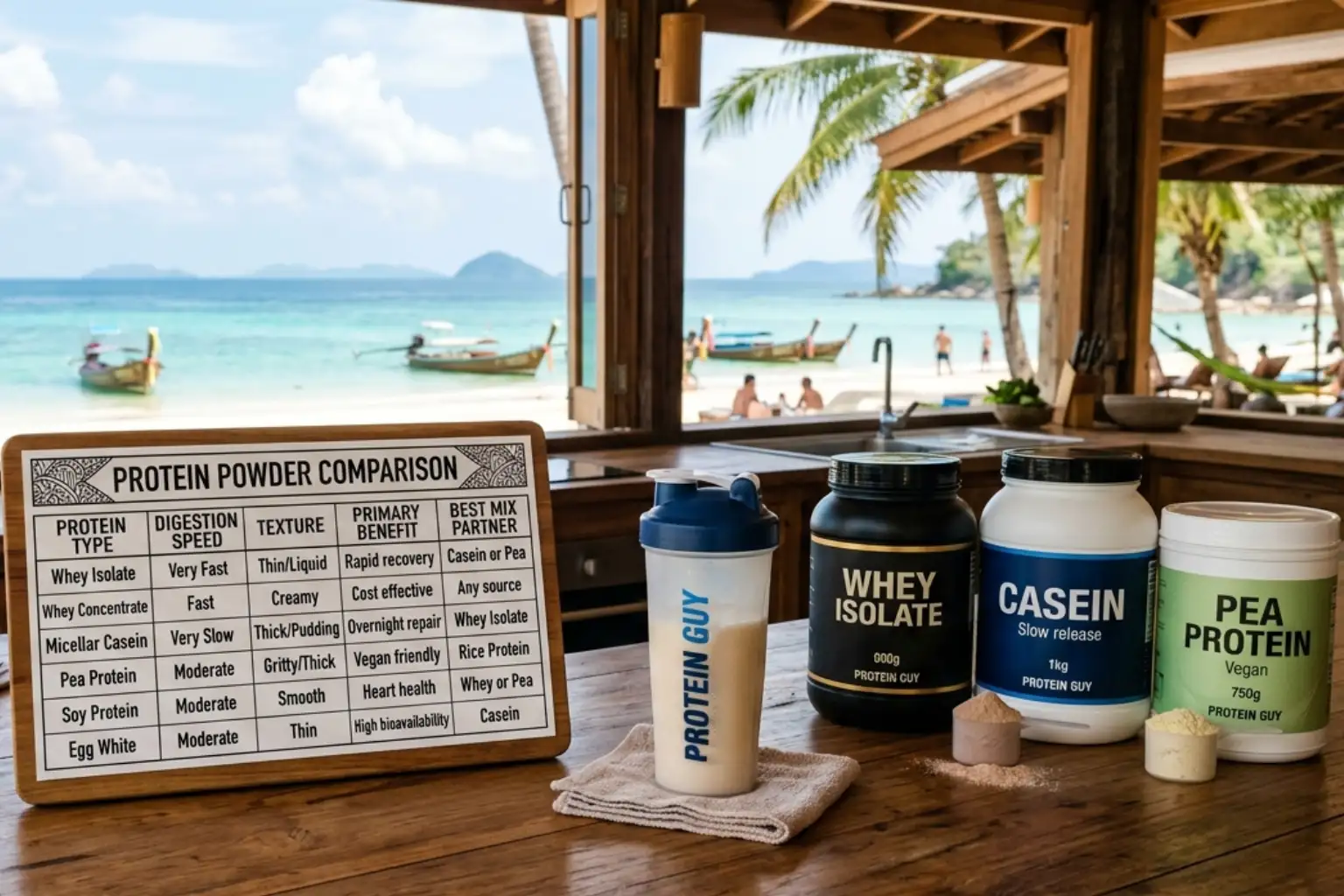

You stand in front of your pantry, shaker bottle in hand, eyeing two different tubs of protein powders. One is a fast acting whey isolate left over from your protein shakes after your morning gym sessions, and the other is a slow digesting casein that you usually save to have a protein shake before bed. You wonder if mixing protein powders creates a super fuel for your muscles or if you are simply creating an expensive, clumpy mess. This dilemma is common among the Australian fitness community, where we strive to maximise every gram of nutrition to support our active lifestyles.
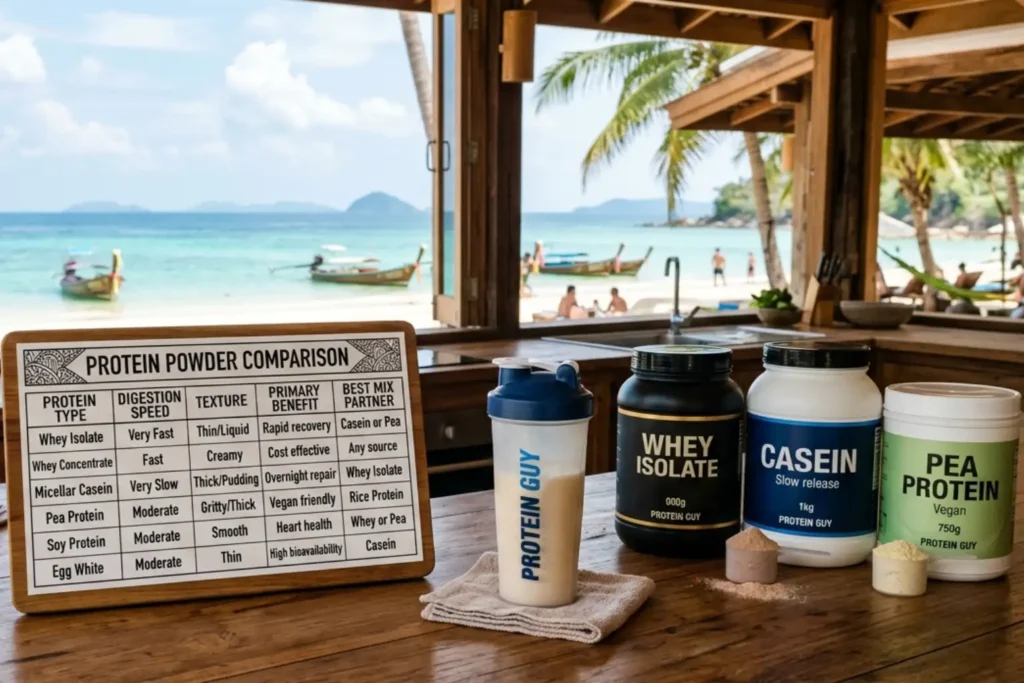
Mixing protein powders is not just about clearing out half empty tubs to save space. When you understand the science of digestion rates and amino acid profiles, you can actually customise your nutrition to suit your specific training goals. Whether you want to stay full during a long shift at work or ensure your muscles have a steady stream of nutrients while you sleep, blending different sources offers a level of versatility that single source powders cannot match. This guide provides the practical knowledge you need to master the art and science of the protein blend.
In this guide, we will break down the mechanics of mixing protein powders. We will explore which protein combinations provide a genuine physiological advantage and which ones you should avoid to prevent digestive discomfort. By the time you finish reading, you will know how to play chemist in your kitchen to get the best possible results from your supplementation programme.
What you will earn about Mixing Protein Powders
- The metabolic benefits of combining fast and slow digesting proteins.
- How to create a complete amino acid profile by mixing plant based sources.
- The best ratios for weight loss, muscle gain, and recovery.
- Common mistakes that lead to poor mixability and digestive issues.
- Practical ways to use protein blends in daily Australian life.
The Metabolic Benefits of Protein Blends
To understand why mixing protein powders will work for you, you first need to understand how the body processes different protein sources. The International Society of Sports Nutrition (ISSN) highlights that the quality of a protein depends on its amino acid content and its digestibility. Not all proteins are created equal, and they certainly do not enter your bloodstream at the same speed.
Think of whey protein as kindling for a fire. It ignites quickly, providing a rapid spike in blood amino acids, specifically leucine, which triggers muscle protein synthesis. Casein, on the other hand, is like a large log. It burns slowly, releasing amino acids into your system for up to seven hours. When you mix these two, you create a sustained release effect. Research published by Examine.com suggests that a blend of fast and slow proteins may actually keep muscle protein synthesis elevated for longer than whey alone.
This metabolic synergy offers two distinct advantages. First, the whey provides the immediate signal for your body to start repairing muscle tissue. Second, the casein prevents muscle protein breakdown during the hours that follow. This dual action approach is particularly useful for anybody who trains early in the morning and cannot eat a full meal until much later in the day. By mixing your sources, you ensure that your body remains in an anabolic or muscle building state for an extended period.
The Best Ratios for Weight Loss, Muscle Gain, and Recovery
Not every goal requires the same protein blend. Just as you would not use the same petrol for a lawnmower and a high performance race car, you should adjust your protein ratios based on your current physical objectives.
Muscle Gain: The 2:1 Rapid Growth Blend
When your primary goal is hypertrophy or muscle gain, you want a higher concentration of fast acting whey to spike leucine levels immediately after training.
The Ratio: Mix two parts whey isolate or concentrate with one part micellar casein.
Why it works: The heavy lean toward whey ensures you hit the leucine trigger required to start the growth process, while the smaller portion of casein provides a steady stream of aminos to keep the process going until your next meal.
Weight Loss and Satiety: The 1:2 Hunger Crusher
If you are in a fat loss phase, the biggest challenge is often hunger. Pure whey protein isolate is absorbed so quickly that it does little to keep you full.
The Ratio: Mix one part whey with two parts casein or a thick plant based protein like pea.
Why it works: Casein and pea protein are highly viscous. They form a gel like consistency in the stomach, which slows down gastric emptying. This keeps you feeling satiated for much longer, making it easier to maintain a calorie deficit without reaching for snacks.
Optimal Recovery: The 1:1 Balanced Blend
For general recovery, especially after endurance sports like footy or long distance running, a balanced approach works best.
The Ratio: Mix equal parts whey and a medium digesting protein like soy or egg white.
Why it works: This provides a moderate, steady release of amino acids that supports total body repair without the heavy pudding feel of a high casein shake.
Perfecting Plant Based Amino Acid Profiles
If you follow a vegan lifestyle or simply prefer dairy free options, you likely realise that many plant proteins are incomplete. This means they lack one or more of the nine essential amino acids your body cannot produce on its own. Rice protein is notoriously low in lysine, while pea protein is low in methionine.
When you mix protein powders together, you create what scientists call a complementary protein. The pea protein provides the lysine that the rice lacks, and the rice protein provides the methionine missing from the pea. By using a 70:30 ratio of pea to rice protein, you create an amino acid profile that closely mimics that of whey. This synergy is essential for plant based athletes who want to ensure they are not missing key building blocks for muscle repair and hormone production.
Modern plant based blends often include hemp or soy as well. Soy is one of the few complete plant proteins, making it an excellent base for any vegan mix. Adding a small amount of hemp protein can also increase the healthy fat and fibre content, which further aids in digestion and nutrient absorption.
Common Mistakes: Mixability and Digestion
While the benefits of mixing protein powders are clear, many people fail at the execution stage. The most common mistake is ignoring the different physical properties of the powders.
The Foam and Clump Problem
Whey protein is thin and dissolves easily. Casein and many plant proteins are hydrophobic, meaning they do not like to mix with water initially. If you throw both into a shaker with a small amount of cold water and shake vigorously, you will likely end up with a layer of dry clumps and a mountain of foam.
The Fix: Always add your liquid to the shaker first, then the powders. Use a shaker bottle with a wire whisk ball or a mesh grid. If you are mixing casein, use slightly more liquid than you would for a standard whey shake to account for the increased thickness.
Digestive Distress and Enzyme Competition
Your digestive system uses different enzymes to break down different proteins. If you mix a high lactose whey concentrate with a high fibre hemp protein, you are asking your gut to do a lot of heavy lifting at once. This can lead to bloating, gas, and discomfort, especially if you drink the shake too quickly.
The Fix: Introduce blends slowly. Start with a 75:25 ratio of your usual protein to the new source. This allows your gut microbiome to adapt to the different structures and fibre levels. Also, avoid using ice cold water, as room temperature or cool water is generally easier on the digestive tract during the breakdown process.
Comparison of Mixing Protein Powder combinations
The table below provides a quick reference for how various combinations perform in the real world.
| Combination | Best Use Case | Texture | Digestibility |
| Whey + Casein | Daytime meal replacement | Creamy / Thick | Moderate (High satiety) |
| Pea + Rice | Post workout (Vegan) | Slightly Gritty | High (Gentle on gut) |
| Whey + Egg White | Lean muscle building | Very Thin | High (Fast absorption) |
| Soy + Casein | Overnight recovery | Very Thick | Slow (Long lasting) |
| Whey + Collagen | Joint and muscle support | Thin / Watery | Very High |
How This Looks in Real Life
To help you apply this knowledge, let us look at how mixing protein powders can fit into a typical Australian work, fitness and training lifestyle.
The Early Morning Gym Goer
Imagine a nurse in Sydney who hits the gym at 5:00 AM before a twelve hour shift. She does not have time for a sit down breakfast after her workout.
The Solution: She prepares a 2:1 Whey to Casein shake. The whey starts her recovery immediately after her final set, while the casein provides a slow release of aminos that keeps her muscles fuelled through her busy morning rounds until her lunch break at midday.
The FIFO Worker
A miner working a fly in fly out roster in Western Australia often deals with irregular meal times and heavy physical labour.
The Solution: He mixes a large batch of 1:1 Pea and Rice protein. This avoids the digestive issues sometimes caused by dairy in hot environments and ensures he gets a complete amino acid profile regardless of what the mess hall is serving that day.
The Afternoon Office Slump
Many office workers find themselves reaching for chocolate or biscuits at 3:00 PM. This is often because their lunch was low in protein, leading to a blood sugar crash.
The Solution: A 1:2 Whey to Casein hunger crusher blend. The thickness of the casein provides a full feeling in the stomach that lasts until dinner, preventing the need for high calorie snacks during the commute home.
Frequently Asked Questions
Can I mix protein with milk instead of water?
Yes, mixing with milk adds even more protein, specifically more casein and whey. However, keep in mind that milk also adds calories, fats, and sugars (lactose). If you are on a strict weight loss programme, water is usually the better choice for your mixed shakes.
Does the temperature of the liquid matter?
Yes, it does. Very hot water can cause some proteins, particularly whey, to clump together in a rubbery mass. If you want a warm protein drink, mix the powder with a small amount of room temperature liquid first to create a paste, then slowly stir in the warm liquid.
Can I mix three or more types of protein?
You can, but it is rarely necessary. Most of the metabolic benefits are captured by mixing a fast and a slow source. Adding more types usually just complicates your macro tracking and can lead to unpredictable textures.
Is it better to buy a pre made blend?
Pre made blends are convenient, but they are often more expensive and do not allow you to control the ratios. By buying separate tubs of whey and casein, you can adjust the mix based on whether you are training that day or just need a meal replacement.
Key Takeaways
- Customise your ratios based on your goals: 2:1 for muscle gain and 1:2 for weight loss and satiety.
- Combine plant sources like pea and rice at a 70:30 ratio to ensure you receive a complete essential amino acid profile.
- Prioritise mixability by adding liquid first and using a shaker ball to prevent the clumps associated with thicker proteins like casein.
- Support your metabolism by using the “kindling and log” approach to keep protein synthesis high while preventing muscle breakdown.
- Adapt to your lifestyle by using slower digesting blends when you know you have long gaps between whole food meals.
Final Thoughts
Mixing protein powders is a simple yet powerful way to take control of your nutrition. By moving away from a one size fits all approach, you can tailor your protein supplementation to fit the unique demands of your training and your lifestyle. Start by experimenting with a simple whey and casein blend and see how your body responds to the sustained energy and improved satiety.
Once you master the basics of protein synergy, you will realise that the best supplement on the market is often the one you might create yourself to meet your specific needs.
