


Protein powder is a staple for anyone serious about training, recovery, or simply meeting daily nutrition goals. But if you’ve ever discovered an old tub in the pantry and wondered, “Does protein powder go off?”, you’re not alone. Like most foods, protein powder supplements don’t last forever, even when stored correctly.
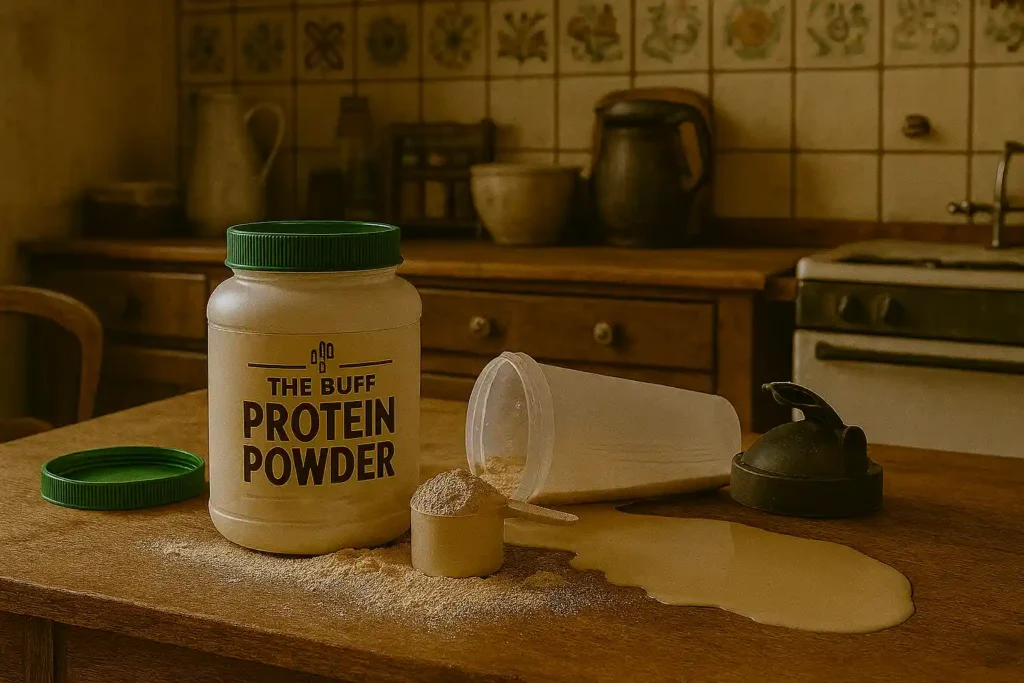
Understanding how long protein powder lasts, what affects its shelf life, and how to tell when it’s time to toss it can save you from wasted money and unpleasant surprises. In this guide, we’ll unpack everything you need to know about the lifespan of protein powder, how to store it properly, and when it’s still safe to use.
What the “Does protein powder go off?” guide covers
- How long protein powder lasts before it goes off.
- Signs your protein powder has expired or spoiled.
- The science behind expiry and storage.
- Safe handling and storage tips to extend shelf life.
- What happens if you consume expired protein.
Why protein powder doesn’t last forever
Even though protein powder seems dry and stable, it’s still a food product that can degrade over time. Most brands include a best before date, typically ranging from 12 to 24 months from manufacture.
This doesn’t mean your protein instantly “goes bad” after that date, but its quality and flavour can start to decline. The proteins may break down, fats can oxidise, and moisture exposure can cause clumping or bacterial growth, especially in warm, humid environments.
The good news is, with proper storage, your powder can stay fresh for months beyond its printed date. But you’ll need to know what to look for to judge whether it’s still good to use.
Factors that affect protein powder shelf life
Protein powders can last a long time, but several factors influence how quickly they deteriorate. Understanding these helps you keep your supplements fresh and safe.
- Storage conditions: Heat and humidity are the biggest culprits. Always store your powder in a cool, dry place away from direct sunlight.
- Container type: Resealable tubs or airtight bags keep moisture out and freshness in. Avoid leaving the lid off for long periods.
- Ingredients: Whey isolate tends to last longer than blends with added fats or carbs, which can oxidise faster.
- Additives and sweeteners: Natural flavourings or dairy-based ingredients can shorten shelf life compared to artificial ones.
- Manufacture quality: Reputable brands with proper packaging standards and desiccant packs help extend lifespan.
How to tell if your protein powder has gone off
If your protein powder has passed its best-before date, check for the following signs before using it. A simple look, smell, and taste test usually gives the answer.
- Smell: A sour, stale, or rancid odour suggests oxidation or spoilage.
- Texture: Clumping, moisture, or unusual stickiness means moisture has likely entered the container.
- Colour: Any darkening or change in shade could indicate degradation.
- Taste: A bitter, stale, or off flavour means it’s past its prime.
- Mould: Visible mould or discolouration means it’s definitely time to throw it out.
If any of these signs appear, err on the side of caution, it’s not worth the risk to your health or digestion.
The science behind protein degradation
Protein powder spoilage happens through a few key processes:
- Oxidation: The natural fats in whey or milk protein can oxidise over time, creating a rancid smell.
- Maillard reaction: When protein and sugar interact over time, especially in heat, this can cause a brownish tint and stale taste.
- Moisture exposure: Water activates bacteria and fungi growth, leading to mould or spoilage.
These reactions don’t just affect flavour, they can also reduce the amino acid quality of the protein, making it less effective for recovery and muscle building.
How to store protein powder properly
Keeping your protein powder fresh is simple once you understand what causes it to go bad. Follow these best practices to extend its shelf life:
- Keep it sealed tight: Always close the lid immediately after use. Air exposure speeds up oxidation and moisture absorption.
- Store in a cool, dry cupboard: Avoid bathrooms, kitchens near stoves, or gym bags, anywhere warm or humid.
- Use the scoop with dry hands: Introducing moisture accelerates spoilage.
- Don’t transfer between containers: The original packaging is designed to preserve freshness.
- Check your expiry date: Use powders within a few months of opening for optimal taste and performance.
Can expired protein powder make you sick?
If your protein powder is only slightly past the best-before date but looks, smells, and tastes fine, it’s likely that it is still safe, though it may have lost some potency.
However, consuming spoiled or mouldy powder can cause stomach discomfort, nausea, or food poisoning-like symptoms. When in doubt, it’s always best to throw it out. No supplement is worth the risk of contamination.
Frequently asked questions
Can I still use protein powder after the expiry date?
Usually yes, if it’s been stored properly and shows no signs of spoilage. It may just lose some flavour or nutritional quality.
How long does opened protein powder last?
Most opened tubs stay good for 6–12 months if kept airtight and dry.
Does refrigeration help?
Not recommended. The fridge introduces moisture when you open and close the container, which can cause clumping.
Why does my protein powder smell weird?
Exposure to heat or air can cause fats to oxidise, creating a sour or cardboard-like odour.
What about plant-based proteins?
They typically last longer than dairy-based powders, as they contain less fat, but can still degrade if exposed to moisture.
Key takeaways
So, does protein powder go off? Even though protein powder seems shelf-stable, it’s not immune to time and the elements. Understanding how and why it degrades can help you make the most of your supplements and avoid unpleasant surprises down the line.
Here’s what to remember when it comes to answering the question, does protein powder go off:
- Check the best-before date, but use your senses too. Look for changes in smell, colour, and taste rather than relying solely on the printed date.
- Storage is everything. Keep your tub tightly sealed in a cool, dry place to extend freshness and quality.
- Avoid moisture and heat. These are the main causes of clumping, mould, and spoilage.
- Stick to reputable brands. Quality packaging and production standards make a real difference in shelf life.
- When in doubt, throw it out. It’s better to lose a few scoops than risk your health.
Knowing how to store and assess your protein powder means you’ll always have a safe, effective supplement on hand when you need it. By keeping your protein stash clean, dry, and sealed, you’ll get the most from every serving, without any unpleasant surprises.
