
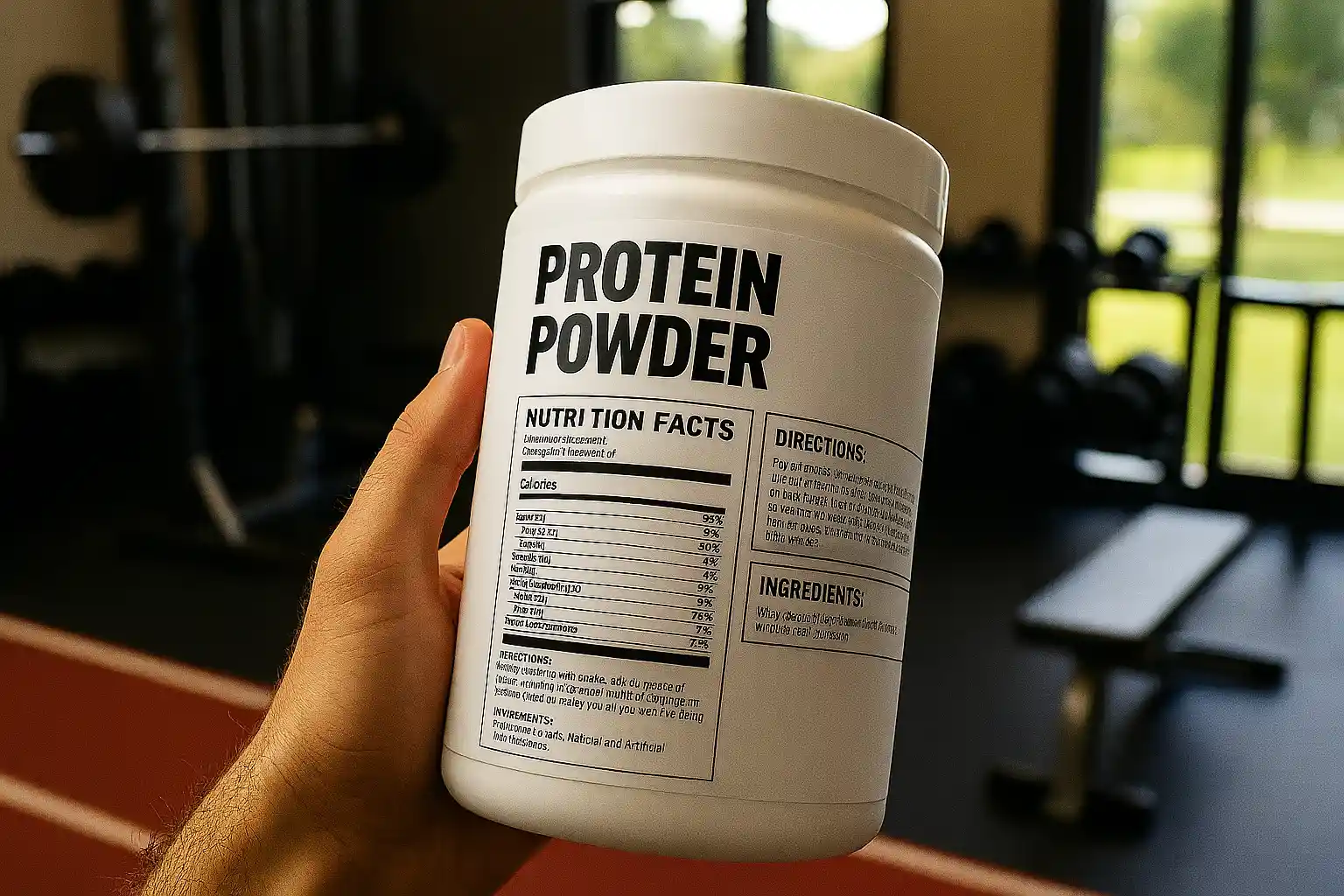

How to read a protein label might seem like a simple task. But, understanding what’s really inside your protein powder can make or break your nutrition plan. Whether you’re chasing muscle growth, recovery, or weight management, knowing how to read a protein label ensures you’re not just guessing, you’re making informed choices.
Many products use impressive claims and flashy packaging, but the real story is in the nutrition panel and ingredient list. This guide breaks down everything you need to know about reading a protein label confidently, so you can tell the difference between a high-quality supplement and one filled with unnecessary extras.
By the end, you’ll know exactly what to look for, what to avoid, and how to choose the right product for your goals.
What this guide covers
- The key sections of a protein label explained
- How to understand serving size and protein per serve
- What ingredients and additives to watch for
- The difference between protein types and protein blends
- Common marketing tricks to avoid
What is a protein label?
A protein label is the detailed breakdown printed on your protein powder or supplement container. It shows you the nutritional values per serve, ingredients, allergens, and any added ingredients like flavours, sweeteners, or enzymes.
Think of it as the “truth sheet” behind the marketing, it’s where you find out what you’re really consuming. Every brand must legally display this information, but how it’s presented can sometimes make comparison tricky. That’s why learning how to read it properly is so valuable.
Why learning how to read a protein label matters
Not all protein powders are created equal. So learning how to read a protein label can help you out a lot. Two products might claim 25g of protein per serve, but one could be loaded with fillers or added sugars while the other is clean and efficient.
Knowing how to read a protein label helps you:
- Avoid low-quality or underdosed products.
- Compare value between brands accurately.
- Match your supplement to your specific goal (e.g., muscle gain, fat loss, recovery).
- Save money by not overpaying for flashy marketing.
When you understand what you’re looking at and learn how to read a protein label, you can choose with confidence rather than relying on buzzwords like “ultra-premium” or “advanced formula.”
Breaking down a protein label step by step
Let’s walk through the major parts of a typical protein label and what each section really tells you. By learning how to read a protein label and getting better at it over time, you can save a lot of money and, in most cases, you’ll see better results.
1. Serving size and protein per serve
Start here, it’s the foundation of the label.
Many people glance at the protein number but forget to check serving size. A scoop can vary from 20g to 50g depending on the brand. Always compare products based on protein per 100g to see which offers more real protein and less filler.
A good quality whey protein powder should deliver 70–90 % protein content per 100g. If you see a much lower percentage, it may contain added carbs, fats, or fillers.
2. Calories and macronutrient breakdown
Next, look at the total calories, carbohydrates, fats, and sugars.
- Carbohydrates: Ideally low for a lean protein powder (1–4g per serve).
- Sugars: Should be minimal, often under 2g per serve.
- Fats: Typically under 2g per serve unless it’s a mass gainer or meal replacement.
High carb or fat numbers might not be bad if the product is designed for bulking, but always check and learn how to read a protein label to see whether the calories and macro breakdown matches your training goals.
3. Ingredients list
Ingredients are listed from highest to lowest by weight. This tells you what makes up most of the product.
Look for simple, transparent formulations. A clean protein powder often includes:
- Whey protein isolate (WPI), whey protein concentrate (WPC), or hydrolysate
- Natural flavouring
- Sweetener (if any, such as stevia or sucralose)
- Digestive enzymes or stabilisers (optional)
Avoid products where the first few ingredients are sugars, fillers, or artificial gums. If you see terms like “maltodextrin” or “creamer” early on, that’s usually a red flag for low protein purity.
4. Protein source and quality
The protein source affects how your body digests and uses the supplement.
Here’s a quick guide to common sources:
- Whey protein isolate (WPI): Fast-absorbing and high purity (90%+ protein).
- Whey protein concentrate (WPC): Slightly slower absorption, more affordable.
- Casein: Slow-digesting, ideal before bed.
- Plant proteins (pea, rice, soy and more): Great for vegans or those with dairy intolerance.
- Blends: Combine fast and slow protein sources for balanced release.
Choose the type that fits your dietary needs and timing strategy. For example, WPI post-workout, or casein before sleep. By learning how to read a protein label, you can make the right decision on protein source to align with your goals.
5. Amino acid profile
Some labels include a breakdown of amino acids per serve. This is helpful for checking BCAA (Branched-Chain Amino Acids) levels, Leucine, Isoleucine, and Valine, which are crucial for muscle growth.
A good whey isolate usually offers around 2.5–3g of leucine per serve. If the amino profile isn’t listed, look for the brand’s website or third-party testing for confirmation.
6. Additives, sweeteners, and flavours
Sweeteners and flavouring agents make protein powders taste better, but not all are equal.
Common sweeteners include sucralose, acesulfame potassium, or natural options like stevia. While small amounts are safe, some people prefer natural formulations to avoid artificial additives.
Flavour and texture enhancers such as gums and thickeners can affect mixability. If you’re sensitive to these, choose a cleaner product with minimal extras.
Common mistakes when reading protein labels
Even experienced gym-goers get tripped up by clever marketing. Here are the most common pitfalls to avoid:
- Comparing scoops instead of protein percentage: Always check grams of protein per 100g, not per scoop.
- Ignoring serving size differences: A “high protein” powder might just use a huge scoop.
- Falling for buzzwords: Terms like “ultra-pure,” “next-gen,” or “scientifically advanced” often have no standard definition.
- Overlooking carb and sugar content: Especially if you’re cutting or tracking macros.
- Skipping the ingredient order: It reveals more than the marketing label ever will.
Understanding these and learning how to read a protein label helps you make decisions based on facts, not hype.
Best practices for choosing the right protein
To make sure you’re getting the most from your supplement, follow these tips:
- Decide your goal first. Are you trying to build muscle, lose fat, or support recovery? Your goal determines the ideal protein type.
- Check for third-party testing. Trusted brands often provide lab verification or certifications like Informed Choice.
- Balance price and purity. The most expensive option isn’t always best, look for quality ingredients and transparent labelling.
- Consider digestibility. If you have stomach issues, choose hydrolysed or plant-based proteins.
- Review brand transparency. Companies that list full amino acid profiles and use clear ingredient naming usually have nothing to hide.
Example: Comparing two protein powders
Let’s look at a simple comparison.
| Brand | Protein per 100g | Carbs per 100g | Main Source | Notable Additives |
|---|---|---|---|---|
| Product A | 85g | 4g | Whey Isolate | Natural Flavour, Stevia |
| Product B | 65g | 15g | Protein Blend | Maltodextrin, Sucralose |
Even though both might advertise “25g protein per serve,” Product A clearly offers higher purity and fewer additives. This shows why learning how to read a protein label and label literacy really matters.
Frequently asked questions
What’s the best protein source for muscle gain?
Whey protein isolate or concentrate is ideal due to high bioavailability and quick absorption.
Should I worry about artificial sweeteners?
Not necessarily. Small amounts are generally safe, but if you prefer natural options, look for stevia or monk fruit.
What’s the difference between isolate and concentrate?
Isolate has more protein and less fat and lactose, while concentrate is slightly cheaper and contains more nutrients.
How can I tell if a protein powder is high quality?
Check for 80–90 % protein content per 100g, short ingredient lists, and third-party testing.
Do vegan proteins provide all amino acids?
Not always. Look for blended plant proteins (e.g., pea and rice) to ensure a complete amino acid profile.
Key takeaways
Before you grab your next tub of protein powder (you might want to read through our best protein guide), take a moment to apply what you’ve learned. Understanding how to read a protein label properly is one of the simplest yet most effective ways to make sure your supplement supports your goals rather than holding them back. Here’s a detailed recap of the essential points:
- Compare protein per 100g, not per scoop. This gives a true measure of how much actual protein you’re getting for your money and removes the confusion caused by different scoop sizes.
- Check ingredients in descending order. Quality proteins list the main protein source first, followed by minor ingredients such as flavours or sweeteners. If sugar or fillers appear early in the list, it’s a red flag.
- Keep carbs, fats, and sugars aligned with your training goal. Lean formulas suit weight management or cutting, while higher-calorie blends can help with muscle gain or recovery.
- Understand the protein source. Whey isolates, concentrates, casein, and plant-based proteins all digest at different rates, so match the type to your dietary needs and timing strategy.
- Look for transparency and third-party testing. Brands that publish complete amino acid profiles or independent lab results tend to produce more trustworthy products.
- Be mindful of additives and sweeteners. While some improve flavour and texture, too many gums, creamers, or artificial additives can signal a lower-quality formula.
Learning how to read a protein label gives you control over what you’re putting into your body, helping you spend smarter and supplement with purpose. With a bit of label literacy, you can confidently choose protein products that genuinely match your nutrition plan and push your progress in the right direction.
