
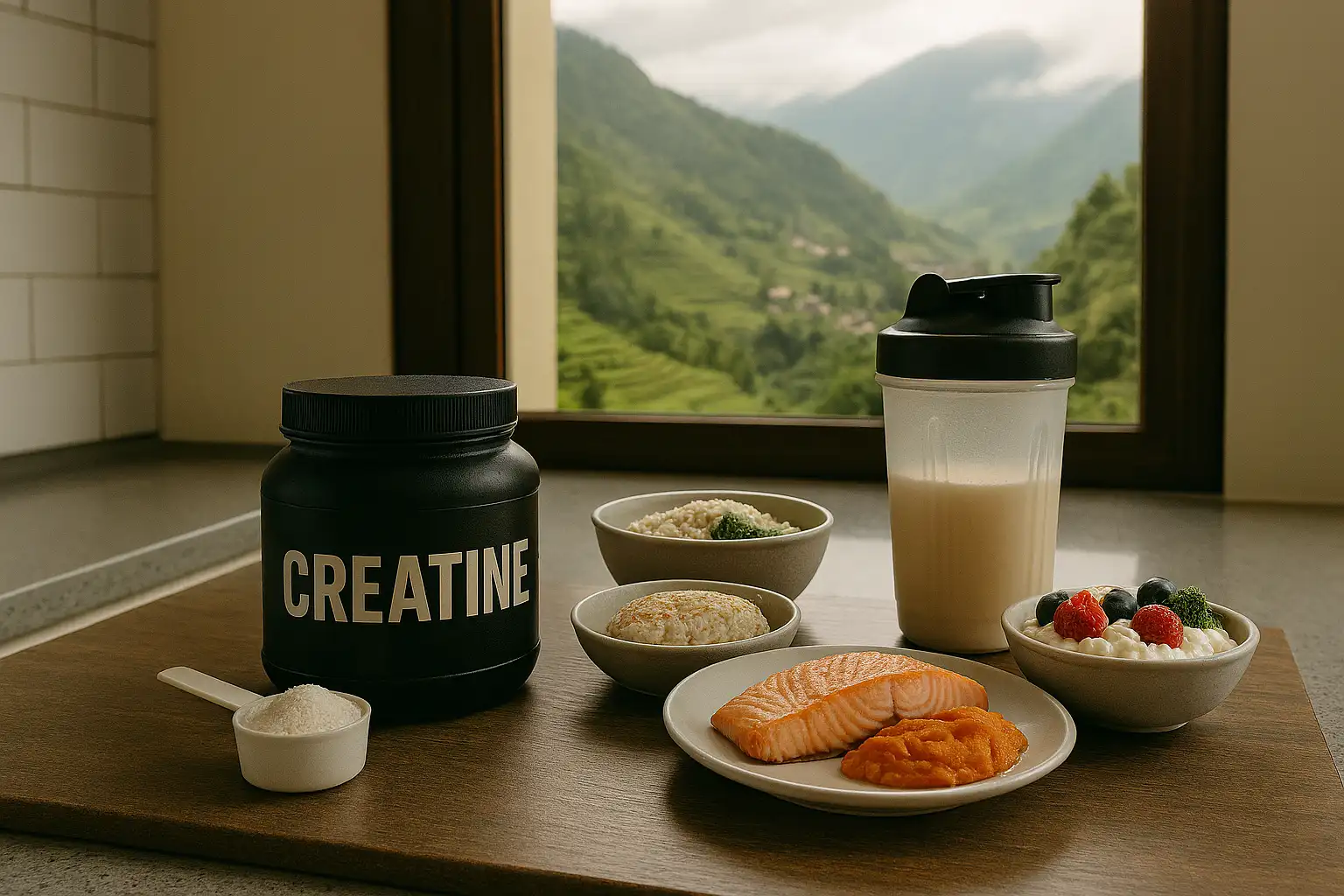

Creatine 101 is one of the most searched topics in sports nutrition, and for good reason. Creatine is one of the most researched and proven supplements for building muscle, increasing strength, and boosting overall performance. Whether you’re just starting in the gym or looking to improve training results, creatine has benefits for almost every type of athlete.
In this guide, we’ll explain how creatine works, why it’s so effective, how to use it safely, and who can benefit the most from adding it to their supplement routine.

What is creatine?
Creatine is a naturally occurring compound found in the muscles and brain. Your body produces it from amino acids and also gets small amounts from foods like red meat and fish. Supplementing with creatine helps increase the amount stored in your muscles, improving short-term energy production.
Most creatine supplements come in the form of creatine monohydrate, which is highly effective, safe, and affordable. Other forms exist (like creatine HCL), but creatine monohydrate remains the most popular and well-researched option.
How creatine works
Creatine helps regenerate ATP (adenosine triphosphate), which is the primary energy source your muscles use during short bursts of high-intensity activity. This means more strength for lifting, sprinting, and explosive movements.
Key benefits include:
- Improved workout performance and strength output.
- Increased lean muscle mass when combined with resistance training.
- Faster recovery between high-intensity sets.
- Possible cognitive support, with studies suggesting benefits for focus and mental fatigue.
Benefits of creatine supplementation
- Muscle growth and strength – More ATP means you can train harder and lift heavier over time, leading to better muscle growth.
- Performance across sports – Beneficial for weightlifting, sprinting, team sports, and even endurance athletes needing short bursts of power.
- Neuroprotective effects – Research suggests creatine may support brain health and improve performance in tasks requiring mental energy.
- Recovery and reduced fatigue – Helps replenish energy faster, reducing rest times between sets or intense workouts.
Safe dosage and timing
Creatine is considered safe for long-term use at recommended doses. The most common methods are:
- Loading phase: 20g per day for 5–7 days (split into 4 x 5g servings) to saturate muscles quickly.
- Maintenance phase: 3–5g daily thereafter to maintain elevated levels.
- Skip loading option: Just take 3–5g daily; saturation takes a little longer but works just as well.
Tips for best results
- Take creatine with a meal or post-workout shake for optimal absorption.
- Stay hydrated, as creatine pulls water into muscle cells.
- Consistency matters – skipping days reduces muscle saturation and overall benefit.
Types of creatine
While creatine monohydrate is the gold standard, you may also see:
- Creatine HCL: Designed for improved solubility; often sold at a higher price with no major proven benefit over monohydrate.
- Buffered creatine (Kre-Alkalyn): Claimed to reduce bloating or stomach discomfort but lacks clear evidence of superiority.
- Creatine blends: Sometimes mixed with other ingredients, but simple monohydrate remains the most cost-effective and proven choice.
Who should take creatine?
- Strength athletes & bodybuilders: Creatine helps push heavier weights and build muscle faster.
- Team sport players: Great for repeated sprint efforts, tackles, and explosive movements.
- Older adults: May assist with maintaining muscle mass and strength.
- Vegetarians and vegans: Tend to have lower natural creatine levels, making supplementation especially beneficial.
Are there any side effects?
Creatine is considered safe for healthy individuals when taken at recommended doses. The most common side effect is slight water retention (often mistaken for fat gain), which typically stabilises after the first week or two. Drinking plenty of water helps reduce discomfort.
If you have pre-existing kidney conditions, consult a healthcare professional before starting any supplement.
Bottom line on creatine
Creatine remains one of the most effective and safe performance supplements available. It supports strength, muscle growth, and recovery, making it a valuable addition for anyone serious about improving their training results.
Whether you are a beginner or experienced athlete, creatine can deliver measurable benefits when used consistently and paired with proper nutrition and training.
Want more supplement guides and nutrition insights? Browse more articles here at Protein Guy to make smarter supplement choices.
