
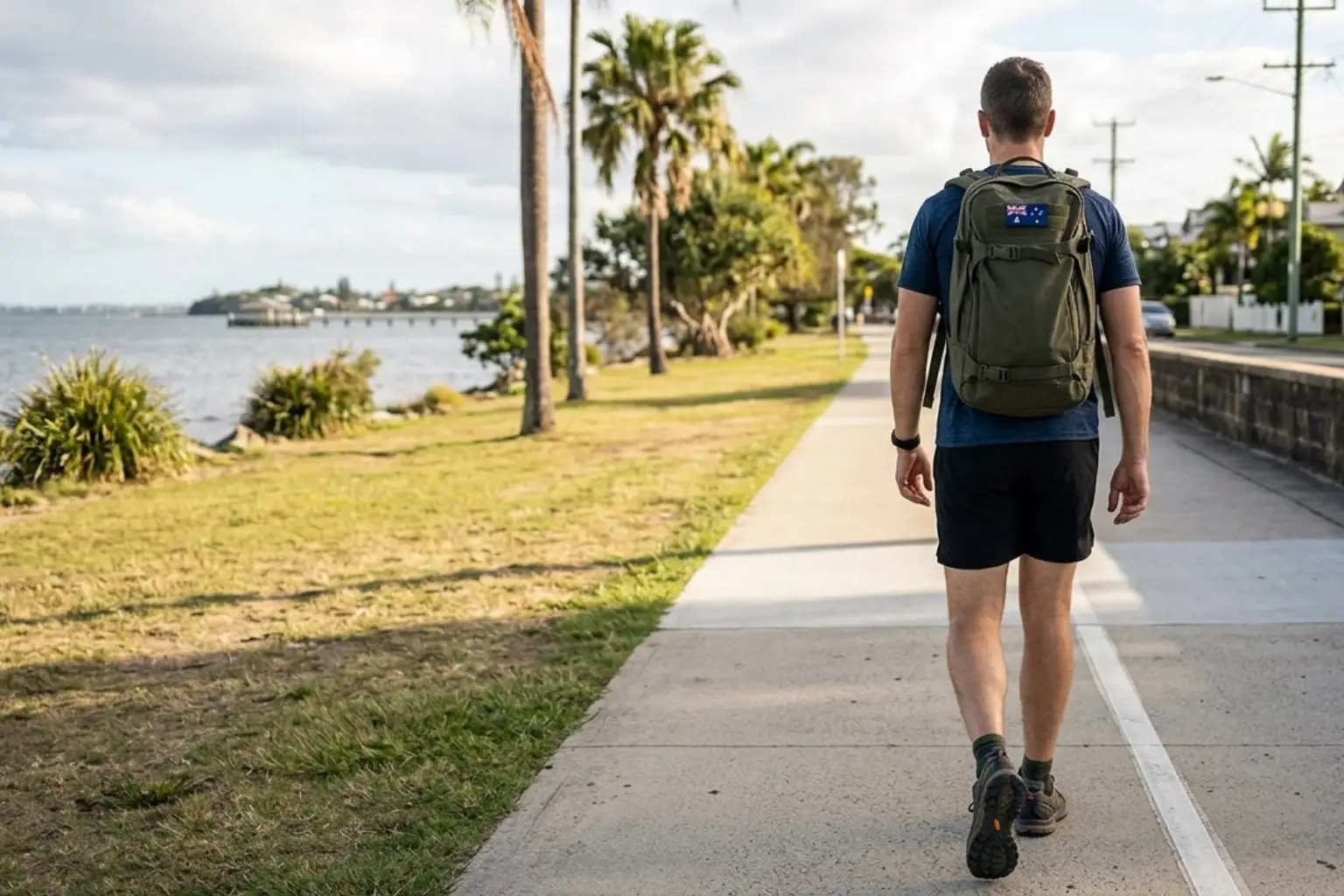

Have you ever noticed someone at the park or on a trail wearing a heavy looking backpack while everyone else is just strolling along? They aren’t just lost hikers or students carrying too many textbooks. They are likely rucking. This Rucking Guide is designed to take the mystery out of one of the most effective, yet simplest, fitness trends hitting Australia right now. It is basically walking with a bit of spice, and it could be a total game changer for your health.
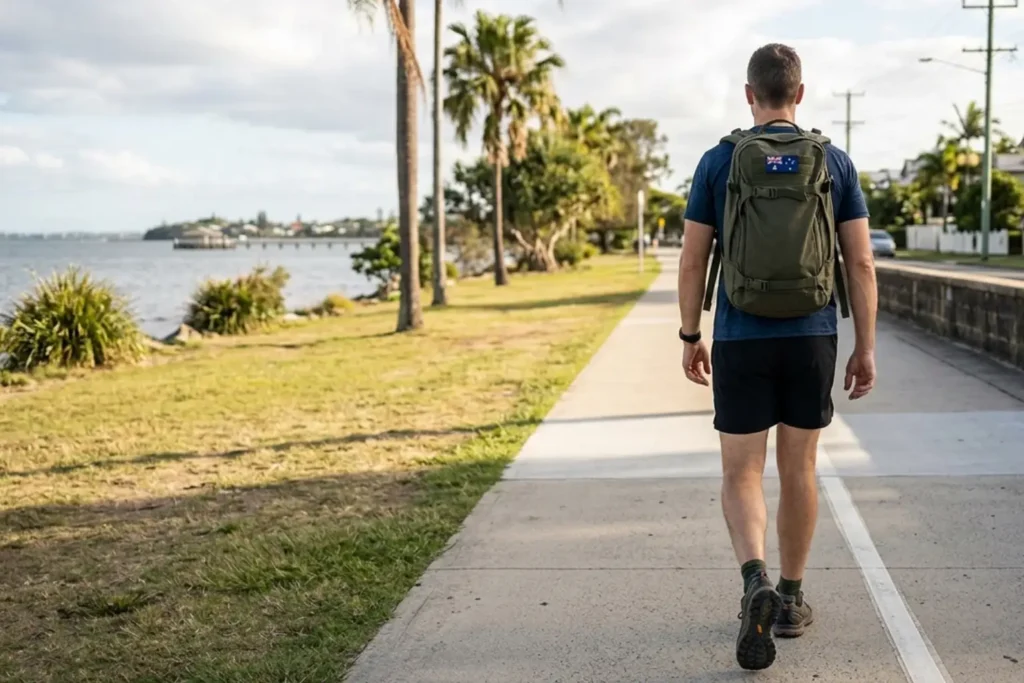
You do not need to be an elite athlete or a member of the Special Forces to get the benefits of rucking. In fact, if you can walk, you can ruck. It is the perfect bridge for those who find standard walking a bit too easy but absolutely hate the joint jarring impact of running. By adding a little bit of weight to your back, you turn a casual stroll into a powerful cardiovascular and strength building session. Let us dive into how you can give it a crack without overcomplicating things.
What is Rucking?
At its heart, rucking is simply walking with a weighted pack. The name comes from “rucksack,” a word often used by the military to describe their heavy duty backpacks. While it might sound like a new fitness fad, it is actually one of the oldest forms of human movement. Before we had cars or trains, if you wanted to move gear from point A to point B, you carried it on your back.
In Australia, we have a long history of this type of movement. From our early explorers to the modern day Australian Defence Force, carrying a load over distance is part of our national DNA. In the military, they call it marching, ruck marching, humping, tabbing or stomping. In the fitness world, we call it rucking because it sounds a bit more approachable (a lot more than humping if you were to use this in a sentence). It is a functional exercise that mimics real life challenges, like carrying groceries or a heavy toddler, but in a structured way that improves your fitness.
Why Should You Add Weight to Your Walk?
You might be wondering why you would bother making a perfectly good walk harder. The answer lies in the physiological response your body has to that extra load. This Rucking Guide focuses on the benefits that matter most to regular gym goers and outdoor enthusiasts.
Better Calorie Burn
When you add weight to your body, your heart and lungs have to work much harder to move you forward. This means your calorie burn increases significantly compared to a normal walk. Research shows that carrying a moderate load can increase your energy expenditure by 40% to 50% without needing to increase your speed. It is a massive win for anyone looking to manage their weight while keeping things low impact.
Building Iron Legs and Core
Unlike standard cardio, rucking is a resistance exercise. Every step you take with a pack is like doing a mini lunging movement. Your glutes, quads, and calves are under constant tension. Meanwhile, your core muscles have to stay tight to keep your spine stable under the load. This leads to what many call functional strength, the kind of power that helps you in everyday life and prevents common back injuries.
Heart Health Without the Sprints
Many people struggle to stay in the Zone 2 heart rate range during a regular walk because it is just too easy. On the flip side, running often pushes people into high intensity zones too quickly. Rucking is the Goldilocks of cardio. It keeps your heart rate in that steady, fat burning, aerobic base building zone for longer periods. This helps to strengthen your heart muscle and improves your overall endurance for other sports.
The Backstory: Where Rucking Comes From
Rucking is not something a fitness influencer dreamed up in a gym last year. It has a deep and gritty history.
- The Ancient World: Roman soldiers were famous for their marching ability. They carried nearly 30 kilograms of gear across Europe, building the roads they walked on as they went. Their fitness was built on the back of the ruck.
- The Australian Legend: The ANZACs have used weighted marches for over a century. Whether it was the tough terrain of Gallipoli or the dense jungles of the Kokoda Track, the ability to carry gear over long distances has always been a sign of a hard athlete.
- The Modern Shift: Recently, rucking has moved from the barracks to the suburbs. Brands and communities have realised that the military secret to fitness is actually a great way for everyday people to get fit without needing a fancy gym membership or expensive equipment.
Gear 101: What Do You Actually Need?
One of the best things about this Rucking Guide is that the barrier to entry is very low. You probably have half the gear in your cupboard already. However, if you want to keep your back and feet happy, a few smart choices make a big difference.
The Pack
You do not need a state of the art tactical rucksack to start. Any sturdy backpack will do for your first few outings. Just make sure the straps are wide and padded so they do not dig into your shoulders. As you progress, you might want to look at specialised rucking bags that have a “plate pocket” to keep the weight high and stable against your back.
The Weight
What should you put in the bag?
- Beginner: Use what you have. Canned food, water bottles, or even a couple of thick books work well.
- Intermediate: Sandbags are great because they are soft and mould to the shape of your back.
- Advanced: Iron “ruck plates” are the gold standard. They are thin, heavy, and do not shift around while you walk.
The Shoes and Socks
This is where you should spend your money. Do not ruck in old, worn out thongs or flimsy flat shoes. You need decent support. Trail running shoes or light hiking boots are perfect because they offer grip and cushioning. Pair them with moisture wicking socks (avoid 100% cotton) to prevent blisters. If your feet are happy, your ruck will be a success.
| Gear Category | What to Look For | Why It Matters |
| Backpack | Padded straps, sturdy zips | Prevents shoulder pain and gear failure |
| Weight | Flat or soft items | Keeps the load from poking your spine |
| Footwear | Arch support, good grip | Protects your ankles and knees |
| Socks | Wool or synthetic blends | Stops friction and prevents blisters |
Looking to start and buy your Rucking Gear?
Rucking Backpacks
The best rucking packs feature thickly padded shoulder straps, a reinforced frame, and a dedicated weight compartment. While GORUCK is the premier name in the space, brands like Mystery Ranch and Osprey offer excellent alternatives with superior suspension systems for longer rucks. Just click on the highlighted name to buy these back packs for rucking.
- GR1 | GORUCK 26L: This is the original rucking bag, built to Special Forces standards. It features a “bombproof” laptop compartment that is perfect for holding a ruck plate high and tight against your back.
- Mystery Ranch Gallagator 15: A more lightweight and accessible option for those just starting out. It is great for shorter day rucks and doubles as a versatile everyday bag.
- Osprey Rook 65: If you plan on rucking over several days or in rugged terrain, this pack offers a highly adjustable ventilated backpanel and an integrated raincover.
Footwear and Socks
Your feet are your most important asset when rucking. You need shoes with excellent traction and socks that wick moisture to prevent blisters. Top-rated brands for rucking include Salomon, Merrell, and Inov-8. Click on the highlighted product name to buy footwear and socks for rucking.
- INOV8 Mudtalon V2: Designed for challenging, muddy terrain, these shoes feature 8mm rubber lugs for maximum grip and extra cushioning for long training runs.
- Creepers Merino Midweight Boot Toe Socks: These are purpose-built for long trail days. The superfine merino wool regulates temperature and manages moisture, while the individual toe sleeves virtually eliminate friction.
Rucking Accessories
To get the most out of your training, you’ll eventually want to move past using books or water bottles as weight. Dedicated iron plates and weighted vests provide a much more stable and comfortable experience. Click on the highlight product title to purchase these rucking accessories, quick delivery to most areas.
- GORUCK Ruck Plates: These matte black powder-coated iron plates are designed specifically for the weight pockets of rucking packs. They feature rounded ergonomic edges and a grab-and-go handle.
- Force USA Weight Vest: If you prefer a vest over a pack, this 30kg adjustable vest provides an even distribution of load across your torso, which can be easier on your lower back for certain workouts.
- Hydration Backpacks: A wide selection off hydration backpacks, a must if you’re walking long distances distances and even just good to have while hiking.
As an Amazon Associate, I earn from qualifying purchases, which helps support the content we create for you.
How to Start Without Breaking Yourself
The quickest way to hate rucking is to load up a massive bag and walk 10 kilometres on day one. Your muscles might be ready, but your joints need time to adjust. Follow these simple steps to get started rucking safely.
The 10% Rule
A good rule of thumb for this rucking guide is to start with a weight that is about 10% of your body weight. If you weigh 90 kilograms, put 9 kilograms in your pack. This is enough to feel the difference but not so much that it ruins your form. Once that feels easy, add 1 or 2 kilograms every few weeks.
Focus on Form
Do not slouch! When the bag gets heavy, people tend to lean forward at the waist. This is a recipe for a sore lower back. Instead, keep your chest up, your shoulders back, and your gaze forward. Think about “tall posture.” Engage your core slightly as if someone is about to poke you in the stomach.
Start Small and Flat
For your first few sessions, find a flat path. Hills are great later on, but they add a lot of intensity. Aim for a 20 to 30 minute walk twice a week. It is better to do two short rucks that leave you feeling energized than one long one that leaves you hobbling for a week.
Progression Table
| Level | Weight | Distance | Goal |
| The Newbie | 5% to 10% body weight | 2 km | Get used to the feel of the pack |
| The Regular | 10% to 15% body weight | 4 km | Build consistent aerobic base |
| The Grinder | 15% to 20% body weight | 5+ km | Maximise strength and endurance |
Finding a Local Rucking Club in Australia
Rucking is a very social activity. It is much easier to keep going when you are chatting with a mate. Australia has a booming community of rucking groups that are very welcoming to beginners.
- RUKCLUBS Australia: This is a great starting point to find local chapters in cities like Sydney, Melbourne, and Perth. These groups often meet for social rucks that finish at a coffee shop or a pub. You’ll find Ruck Clubs on the RUKSAK Australia website.
- The Kokoda Challenge Training Groups: Even if you are not doing the actual event, these groups are full of people who love walking with weight. You can find them on social media by searching for “Kokoda training” in your local area.
- Local Hiking Groups: Many hiking clubs are happy for you to join their walks with a weighted pack. It is a great way to see some of the beautiful Australian bush while getting your workout in.
Common Beginner Mistakes
- Using Too Much Weight: Seriously, leave your ego at the door. Just start light.
- Letting the Weight Sag: If the weight is at the bottom of the bag, it will pull your shoulders back and hurt your spine. Use a towel or a yoga block to prop the weight up so it sits between your shoulder blades.
- Running: Unless you are training for a specific military selection, do not run with weight. It is too hard on the knees. If you want more intensity, walk faster or find a hill.
- Ignoring Blisters: If you feel a hot spot on your foot, stop and fix it immediately. A tiny bit of tape now saves a week of pain later.
Key Takeaways
- Rucking is simple: It is just walking with a weighted backpack.
- Start light: Aim for 10% of your body weight for your first few sessions.
- Protect your feet: Use good shoes and avoid cotton socks to stay blister free.
- Check your posture: Keep your chest up and core tight to protect your back.
- Find a crew: Rucking is better with mates, so check out RUKCLUBS Australia.
- Consistency is key: Two short rucks a week will do more for you than one massive trek once a month.
Rucking is perhaps the most underrated tool in the Australian fitness kit for building a resilient and functional body. It is simple, it is outdoors, and it actually works by turning a basic seaside stroll into a potent strength and conditioning session. You do not need to be a fitness guru to start; you just need a sturdy bag and the willingness to take that first step toward a more capable version of yourself. Whether you are walking along the foreshore in Brisbane or hitting a rugged bush trail, this method builds the kind of real world power that carries over into every other aspect of your training programme.
By following a consistent Rucking Guide, you can safely push your physical limits and realise exactly how much your body is capable of enduring. The beauty of this movement lies in its simplicity and the way it helps you maximise your time spent training outside the four walls of a traditional gym. So, grab a pack, throw in some weight, and get out there to experience the metabolic boost for yourself. Your heart, your legs, and your mental focus will all thank you for the challenge of the heavy carry.
