

You ask yourself, am I doing this right? If you find yourself staring at the stores shelf trying to choose between a cheap, bright yellow root powder and an expensive tiny bottle of pure extract, you are not alone. Aussie lifters and sports people are constantly chasing faster recovery times to handle intense, high volume training schedules. When joint soreness or deep muscle aches hit after a brutal leg session, turning to turmeric and curcumin natural anti-inflammatories for recovery seems like the perfect solution. But if you choose the wrong form of turmeric and curcumin, or miss a critical pairing trick, your body simply flushes the active components away without absorbing them.
Understanding how to use these golden compounds can fundamentally transform how your body handles exercise induced muscle damage. The secret lies in looking past the raw spice and mastering the exact compound that drives systemic relief. If you want to stop waking up feeling like you got hit by a road train after a heavy rucking session or a competitive pickleball match, you need to understand the science of cellular recovery.
The Science of Curcumin and Systemic Inflammation
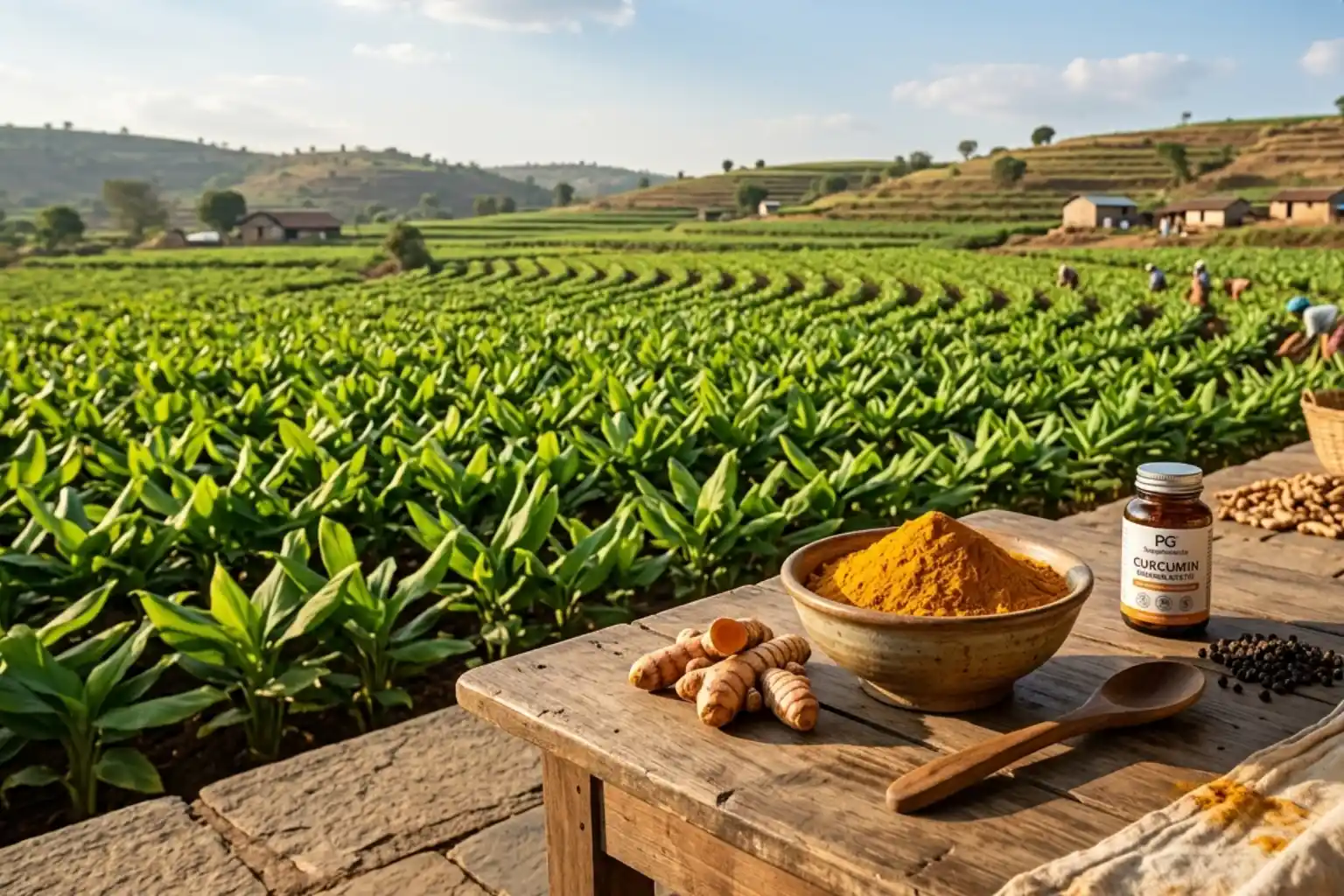
To understand why this root matters, we must separate the whole spice from its underlying active components. Turmeric is the raw plant rhizome, while curcumin is the primary bioactive curcuminoid packed inside it. Raw powder contains only about three percent curcumin by weight. This distinction matters because the clinical science validating faster tissue repair and reduced soreness is based on highly concentrated curcumin extract, not the raw kitchen spice you sprinkle on your eggs.
When you subject your body to intense eccentric training, such as heavy squats, lunges, or long distance running, you create micro tears in your muscle fibres. This triggers an immune response where your body releases pro inflammatory signaling proteins called cytokines, specifically interleukin 6 and tumour necrosis factor alpha. While initial inflammation is a vital signal that tells your body to grow bigger and stronger, excessive prolonged inflammation causes severe delayed onset muscle soreness. This is the exact tightness that makes sitting down on the toilet a challenge two days after a leg workout, and it severely delays your return to peak power output.
Curcumin acts as a master regulator of this response by working at a molecular level. It downregulates the primary genetic switch that triggers inflammatory pathways, known as nuclear factor kappa B. By switching off this master control, curcumin significantly drops the circulating levels of those damaging cytokines. Furthermore, clinical trials show that targeted dosing reduces blood markers of muscle breakdown, specifically creatine kinase. This means you preserve structural tissue, suffer from less performance degradation, and bounce back faster for your next session.
The Bioavailability Bottleneck
The biggest hurdle with standard curcumin is its incredibly poor water solubility and rapid metabolism in your liver. If you consume unformulated curcumin alone, your intestinal wall and liver break it down via a process called glucuronidation before it ever reaches your active skeletal muscle tissue. Your body eliminates it so fast that blood plasma levels remain practically undetectable, meaning your expensive capsules are doing absolutely nothing for your recovery.
You can solve this systemic bottleneck by pairing your extract with piperine, the active alkaloid found in black pepper. Piperine temporarily disables the specific liver enzymes responsible for breaking down the anti-inflammatory molecules. Clinical pharmacokinetic data confirms that co administering just twenty milligrams of piperine alongside your dose increases curcumin bioavailability by up to two thousand percent, ensuring the active compounds actually reach your recovering muscles.
The Practical Application for Australian Athletes
Because the raw spice contains minimal active ingredients, knocking back standard turmeric latted over the counter will not cut it for performance recovery. You need specialised extracts that deliver a heavy dose of pure curcuminoids. When sourcing options from Australian retailers, look for premium formulations that list standardised ninety five percent curcuminoids on the label, or patented delivery systems like Meriva or HydroCurc which optimise absorption through lipid binding technology.
Dosing Strategies for Performance
The effective research dosing window spans from four hundred milligrams to fifteen hundred milligrams of standardised curcuminoids daily. For an everyday lifting routine designed to help keep systemic aches down, a single baseline dose of five hundred milligrams should work perfectly for most. If you are preparing for a gruelling athletic event, stepping up to a high intensity training block, or recovering from an acute joint strain, scaling up to fifteen hundred milligrams split into morning and evening doses provides superior cellular protection.
| Supplement Strategy | Daily Target Dosage | Primary Intended Outcome | Optimal Pairing |
| Baseline Lifter Maintenance | 400 to 500 mg | General joint comfort and daily tissue repair | 5 to 20 mg Piperine plus Healthy Fat |
| Intense Training Peak | 1000 to 1500 mg | Rapid clearance of heavy creatine kinase markers | Split doses morning and night with meals |
| Raw Whole Root Support | 5 to 10 grams | Mild systemic antioxidant variety | Must cook with oils and fresh cracked pepper |
Common Supplementation Mistakes
The single biggest mistake Aussie gym goers make is taking their capsules on an empty stomach with a glass of plain water. Curcumin is strictly fat soluble, meaning it requires dietary lipids to dissolve. Without a lipid delivery vehicle in your digestive tract, the powder cannot dissolve effectively, which severely reduces its uptake through the gut wall. Always consume your stack alongside a whole food meal containing healthy fats like eggs, avocado, macadamia nuts, or salmon to maximise absorption.
Another frequent error is using massive single doses immediately before your training session. Suppressing the initial inflammatory signaling pathway completely right before a workout can blunt the natural adaptive response required for muscle hypertrophy and strength gains. You need that initial training stress to signal your body to adapt. Keep your targeted intake centered around your post training meals or generic morning and evening nutrition windows where the focus shifts entirely to tissue repair and reducing residual pain.
If you’re looking for Turmeric and Curcumin supplements, you can find them here – Buy Turmeric Curcumin Supplements
How to use this in your routine
Integrating curcumin natural anti-inflammatories for recovery into your daily supplement schedule requires a structured approach to help maximise muscle absorption and help protect your training adaptations.
Step 1: Secure a Standardised Formula
Select a high quality Turmeric and Curcumin supplement that provides five hundred milligrams of curcuminoids standardised to ninety five percent. Ensure the ingredient panel explicitly includes five to twenty milligrams of piperine or BioPerine per serving to guarantee the necessary absorption boost.
Step 2: Establish Your Training Window Timing
Keep the supplement clear of your pre workout window to protect your natural muscle building signals. Consume your daily dose alongside your largest post training meal of the day, ensuring the meal contains at least ten to fifteen grams of dietary fat to help facilitate proper transport into the bloodstream.
Step 3: Scale Intentionally for High Volume Weeks
During deload weeks or baseline training, stick to one capsule containing five hundred milligrams to maintain joint health. When transitioning into heavy eccentric phases, high mileage running, or intense competitive sporting blocks, split your turmeric and curcumin intake by taking one five hundred milligram capsule with breakfast and a second five hundred milligram capsule with dinner.
Key Takeaways
- Target Curcuminoids Not Raw Root: Raw turmeric contains only three percent active compounds, meaning highly concentrated extract forms are essential to drive meaningful exercise recovery.
- Always Pair With Black Pepper: Ensure your product features piperine or BioPerine to block rapid liver breakdown and increase overall absorption by up to two thousand percent.
- Consume With Dietary Fats: Always take your capsules alongside whole food fats to satisfy the lipophilic nature of the compound and ensure it passes successfully into your bloodstream.
- Protect the Hypertrophy Window: Avoid immediate pre-training megadoses of Turmeric and Curcumin so you do not accidentally blunt the natural inflammatory pathways required to trigger muscle growth and adaptation.
Final Thoughts
Successfully managing exercise induced muscle damage requires a smart combination of structured training, proper macro nutrition, and highly bioavailable supplementation. Utilising turmeric and curcumin natural anti-inflammatories for recovery offers a clinically proven method to help lower systemic inflammation markers and clear muscle breakdown enzymes quickly.
By timing your intake correctly alongside fat containing meals and avoiding the pre-workout window, you can maintain joint comfort and help accelerate your return to peak power output. Commit to this protocol consistently across your training blocks to unlock true natural recovery support and keep your body performing at its absolute peak.
