
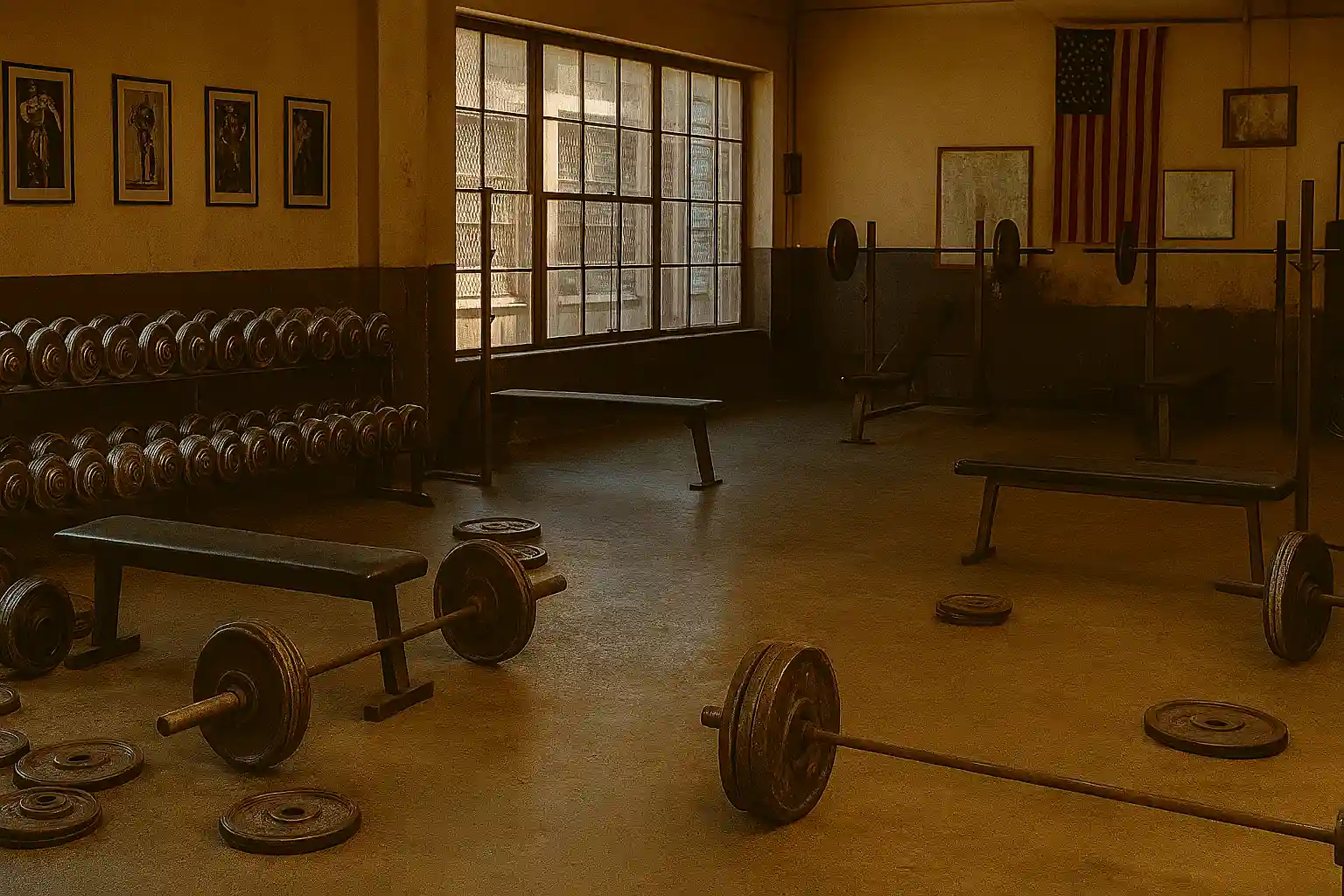

Every lifter, athlete, or gym-goer eventually faces a frustrating truth: progress doesn’t move in a straight line. You start out hitting personal bests, building muscle, and feeling unstoppable, until suddenly, the numbers stop climbing. The same weight feels heavier, your recovery takes longer, and enthusiasm starts to fade.
These slow periods are known as training plateaus, and they happen to everyone, no matter how experienced. But while many people try to fight them by training harder or adding more volume, that approach often leads to burnout instead of progress. The smarter way forward is to understand what’s holding you back and make targeted adjustments that support recovery, rebuild motivation, and reignite gains.
Read on to learn how to break through training plateaus without burning out, and discover how small, strategic changes can help you lift stronger, feel fresher, and train with renewed purpose.
What causes training plateaus?
Before you can fix a plateau, you need to understand what causes it. A plateau happens when your body adapts to your current training load and no longer finds it challenging enough to grow. But in most cases, it’s not just one factor, it’s a mix of training, nutrition, and recovery habits working against you.
Common causes include:
- Lack of progressive overload: When you stop increasing training intensity or volume, your body stops adapting.
- Insufficient recovery: Muscles need rest to rebuild. Skipping rest days or sleeping poorly slows progress.
- Poor nutrition: Inadequate calories or protein prevent muscle repair and energy replenishment.
- Mental fatigue: When training feels stale or overwhelming, consistency drops.
- Lifestyle stress: Work, poor sleep, and emotional strain raise cortisol levels that interfere with recovery.
Recognising these causes helps you avoid the trap of “training harder” when the real answer might be to train smarter. By identifying which factor applies to you, you can make the right adjustments and get progress moving again.
Reassess your training plan
When you hit a wall, the first step is to look closely at your program. If you’ve been doing the same exercises, rep ranges, and rest times for months, your body has likely adapted. It’s time to make strategic changes that stimulate new growth without overwhelming your recovery.
Try these simple adjustments:
- Change your rep range: Move from low reps (4–6) to moderate (8–12) for a phase to challenge your muscles differently.
- Try new exercises: Swap out staple lifts occasionally, for example, replace flat bench press with dumbbell presses or incline variations.
- Adjust frequency: Cut back slightly if you’re overreaching, or add a focused session if you’ve been under-stimulating a muscle group.
- Track progress: Keep detailed notes on weight, reps, and perceived exertion to spot trends and make informed tweaks.
Small, structured changes are often all it takes to shock your body into responding again. The goal isn’t to throw your routine out entirely, but to introduce variety that reignites adaptation while maintaining core movements that build strength over time.
Focus on recovery and deloading
Training hard without proper recovery is one of the fastest ways to hit a plateau, and burn out. Your body needs downtime to repair micro-tears in muscle tissue, balance hormones, and restore energy stores. Pushing through fatigue only deepens exhaustion and slows long-term progress.
How to use recovery strategically:
- Schedule a de-load week every 4–6 weeks by reducing training volume or intensity by around 40–50%.
- Get 7–9 hours of quality sleep each night to optimise muscle repair and hormone regulation.
- Include active recovery, light cardio, stretching, or mobility sessions, to keep blood flow high without adding stress.
- Manage stress with breathing techniques, outdoor walks, or mindfulness.
Recovery isn’t a weakness; it’s a performance enhancer. Athletes who respect recovery cycles perform better, train harder, and stay in the game longer. Sometimes the fastest way to move forward is to step back and let your body rebuild.
Prioritise nutrition and hydration
What you eat directly affects your ability to progress. Training plateaus often coincide with nutritional gaps, not eating enough to recover or failing to provide the body with quality fuel. Even small calorie deficits or dehydration can impair muscle function and strength output.
To optimise your nutrition:
- Consume 1.6–2.2 g of protein per kg of body weight daily to support repair and growth.
- Maintain a slight calorie surplus if strength or size is your goal.
- Eat balanced meals with complex carbs (like oats, rice, or potatoes) for energy and glycogen replenishment.
- Stay hydrated, aim for at least 35–40 ml of water per kg of body weight daily.
If you’ve been dieting hard for an extended period, consider a short maintenance phase or controlled re-feed to restore energy and metabolic balance. Consistency with nutrition is one of the easiest ways to unlock progress again, yet it’s often the most overlooked.
Apply progressive overload, intelligently
If your training has stagnated, it may be because your workload hasn’t evolved. Progressive overload, the gradual increase in training demand, is key to continued muscle growth. But overdoing it too fast leads to fatigue, poor recovery, and burnout.
Here’s how to do it the right way:
- Increase weight in small increments (2–5%) only when you can complete your target reps comfortably for two sessions in a row.
- Focus on technique and tempo before adding more weight.
- Experiment with training density, completing the same workload in less time or slightly reducing rest periods.
- Add occasional intensity techniques like rest-pause or drop sets, but use them sparingly.
Progressive overload should feel challenging but sustainable. The aim is to keep improving gradually, not to max out every week. When used correctly, it keeps training stimulating and effective, without tipping you into exhaustion.
Keep your mind in the game
Plateaus often hit hardest mentally. When progress slows, motivation dips, and workouts can start to feel like a grind. A shift in mindset can help you regain focus and find enjoyment in the process again.
Try these strategies to stay mentally strong:
- Set new short-term goals: Instead of chasing the same PRs, aim to improve form, flexibility, or endurance.
- Train with purpose: Remind yourself of your “why”, whether it’s strength, health, or confidence.
- Change your environment: A new gym, playlist, or workout split can help reset motivation.
- Celebrate small wins: Recognise improvements in consistency, recovery, or movement quality.
Mental renewal prevents burnout as effectively as physical recovery. When your outlook shifts from frustration to curiosity, you’ll rediscover your drive, and progress will follow naturally.
Key takeaways
Breaking through a plateau isn’t about punishment or extreme effort, it’s about refinement, patience, and recovery. With the right mix of structure and flexibility, you can turn stagnation into a stepping stone for greater performance.
- Identify the cause — whether training, recovery, or nutrition.
- Refresh your routine with new rep ranges or exercise variations.
- Prioritise rest — schedule deloads and recovery weeks regularly.
- Fuel your progress with adequate calories, protein, and hydration.
- Progress slowly and sustainably with smart overload.
- Protect your mindset by setting achievable, motivating goals.
Each of these small adjustments compounds over time, building a foundation for continued growth. Consistency, not intensity, is the true secret to longevity in strength training.
Closing thoughts
Every athlete faces plateaus, but the best don’t see them as failures, they see them as feedback. When progress slows, it’s your body’s way of signalling that something needs to change. Instead of doubling down with more volume or intensity, use this moment to recalibrate your training, prioritise recovery, and rebuild motivation.
The truth is, burnout is preventable. By focusing on recovery, nutrition, and smart progression, you can break through any plateau while keeping your body healthy and your mindset strong. Strength isn’t just built by lifting heavy, it’s built by learning when to push, when to rest, and when to adapt. Master that balance, and progress will follow for years to come.
