
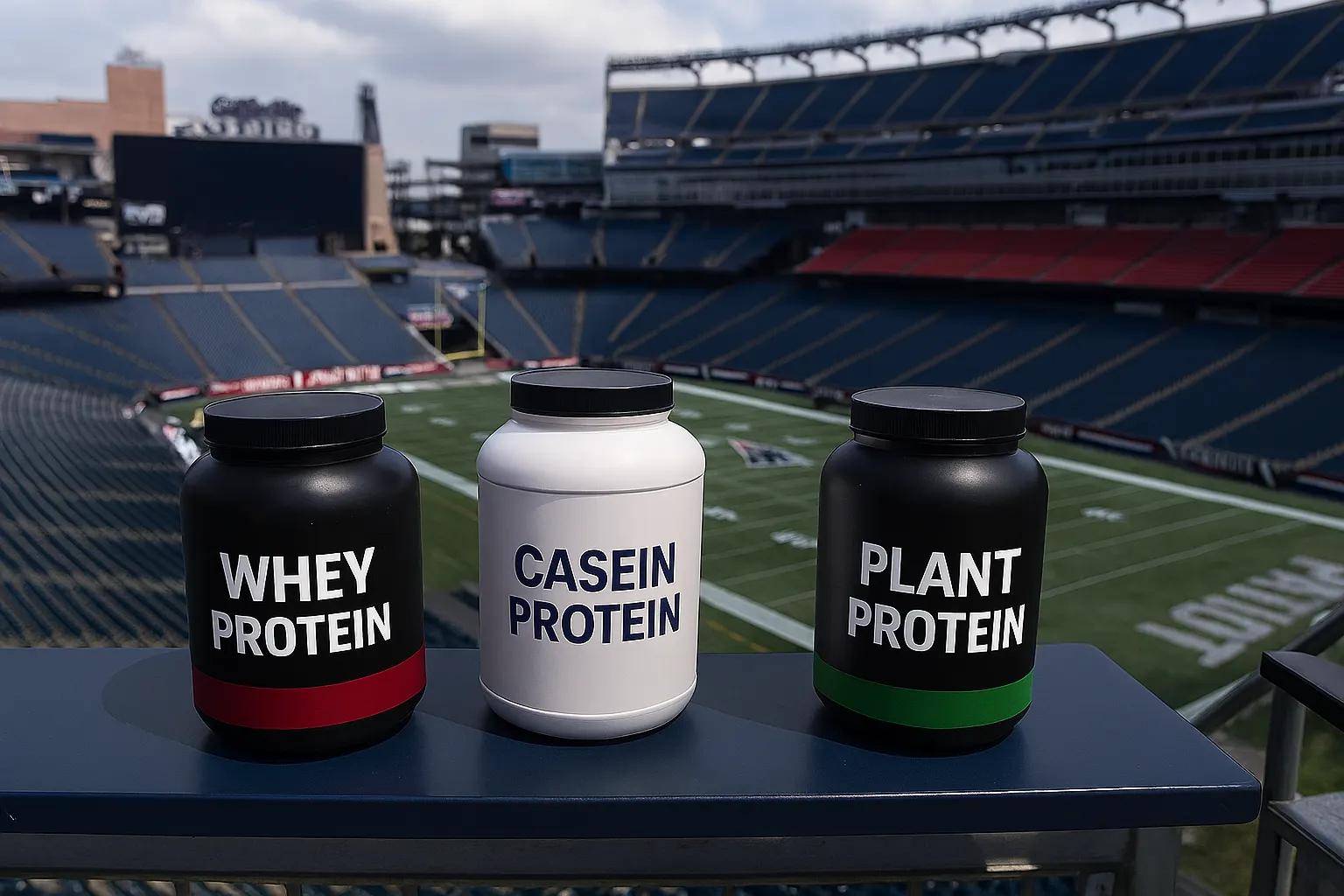

When it comes to protein supplements, whey vs casein vs plant protein is a debate that pops up often. Whether you’re new to the gym or a seasoned lifter looking to fine-tune your nutrition, understanding the differences between these three popular protein types can help you choose the right one for your goals. Each type of protein has its own absorption rate, amino acid profile, and ideal use cases, so the best choice depends on what you’re trying to achieve.
In this guide, we’ll break down what makes whey, casein, and plant protein unique, how they perform in the body, and when each is best used. By the end, you’ll have a clear idea of which protein powder deserves a spot in your monthly supplement stack.
What is whey protein?
Whey protein is derived from milk during the cheese-making process. It’s the liquid by-product that’s dried and processed into powder form. Whey is known for its high biological value, meaning it’s rich in essential amino acids and is quickly absorbed by the body. This fast digestion makes it a go-to option for post-workout recovery when your muscles need nutrients fast.
There are three main types of whey protein:
- Whey concentrate – contains a small amount of fat and carbs, with around 70–80% protein content.
- Whey isolate – more refined, with 90% or more protein and minimal lactose.
- Whey hydrolysate – pre-digested for even faster absorption, often used in specialised performance formulas.
Whey is ideal if you’re looking to support muscle growth, improve recovery times, and boost daily protein intake efficiently.
What is casein protein?
Casein is the other major protein found in milk, making up roughly 80% of its protein content. Unlike whey, casein digests slowly, forming a gel-like substance in the stomach. This slow release of amino acids can provide your muscles with a steady supply of protein for hours, making it an excellent choice before bed or during long periods without food.
Micellar casein is one of the most common form found in blended protein powder supplements and is popular for its sustained release properties. Some athletes also use casein in combination with whey to cover both immediate and extended recovery windows. Because it’s slower to digest, casein isn’t usually used post-workout but rather for muscle protection overnight or as a filling snack option during the day.
What is plant protein?
Plant protein is made from sources such as pea, rice, soy, hemp, and pumpkin seeds, among others. It’s ideal for those following a vegan or dairy-free diet, or for anyone looking to reduce their reliance on animal products. While some single-source plant proteins may lack one or two essential amino acids, modern blends are formulated to provide a complete amino acid profile similar to whey.
One of the main benefits of plant protein is its digestibility. Many people find it easier on the stomach than dairy-based proteins, especially those with lactose sensitivities. Additionally, plant proteins often come with added nutrients like fibre, vitamins, and minerals, making them a more holistic choice for some individuals.
Comparing whey vs casein vs plant protein
To help you decide which one suits your goals, here’s a quick comparison of whey vs casein vs plant protein.
| Feature | Whey Protein | Casein Protein | Plant Protein |
|---|---|---|---|
| Source | Milk (liquid by-product of cheese) | Milk (curd component) | Plants (e.g., pea, rice, soy, hemp) |
| Absorption Speed | Fast | Slow | Moderate |
| Best Time to Use | Post-workout, morning | Before bed, between meals | Anytime, especially if dairy-free |
| Amino Acid Profile | Complete, high BCAAs | Complete, slower release | Complete in blends, varies by source |
| Digestibility | Fast and light | Slower, may feel heavier | Often easier for sensitive stomachs |
| Dietary Fit | Not vegan, low lactose in isolate | Not vegan, contains dairy | Vegan, dairy-free, allergen-friendly |
When to use each protein
The timing of your protein intake plays a big role in how effective it is. Whey protein works best immediately after training, helping to kickstart the muscle repair and growth process. Casein is more suitable for overnight recovery or as a slow-release option during the day, especially if you know you won’t be eating for a while.
Plant protein offers more flexibility. You can use it any time of day depending on your dietary needs, and it works well post-workout if it contains a complete amino acid profile. For many people, a combination of different protein sources works best, such as whey after a workout and plant protein in smoothies or snacks throughout the day. So the whey vs casein vs plant protein debate is decided by you, your goals and how the protein type affects you.
Key takeaways of Whey vs Casein vs Plant Protein
Understanding whey vs casein vs plant protein is one of the most effective ways to match your supplement choices with your training and nutrition goals. Whey protein is prized for its rapid absorption and high leucine content, making it ideal for post‑workout recovery and muscle growth. Casein, on the other hand, digests slowly, providing a steady release of amino acids that supports overnight repair and reduces muscle breakdown. Plant protein options, whether from pea, rice, or blended sources, offer a clean and versatile alternative that’s often easier on digestion and suitable for those avoiding dairy. By comparing whey vs casein vs plant protein, you can see how each plays a unique role in supporting performance, recovery, and everyday health.
The good news is you don’t have to lock yourself into just one choice. Many athletes and everyday lifters use a combination of whey vs casein vs plant protein to cover different needs throughout the day. For example, whey after training for fast recovery, casein before bed for sustained nourishment, and plant protein during the day for a balanced, dairy‑free option. The right mix ultimately depends on your lifestyle, dietary preferences, and how your body responds to each source. By understanding the strengths of whey vs casein vs plant protein, you can build a flexible protein approach that maximises results while fitting seamlessly into your daily fitness routine.
