
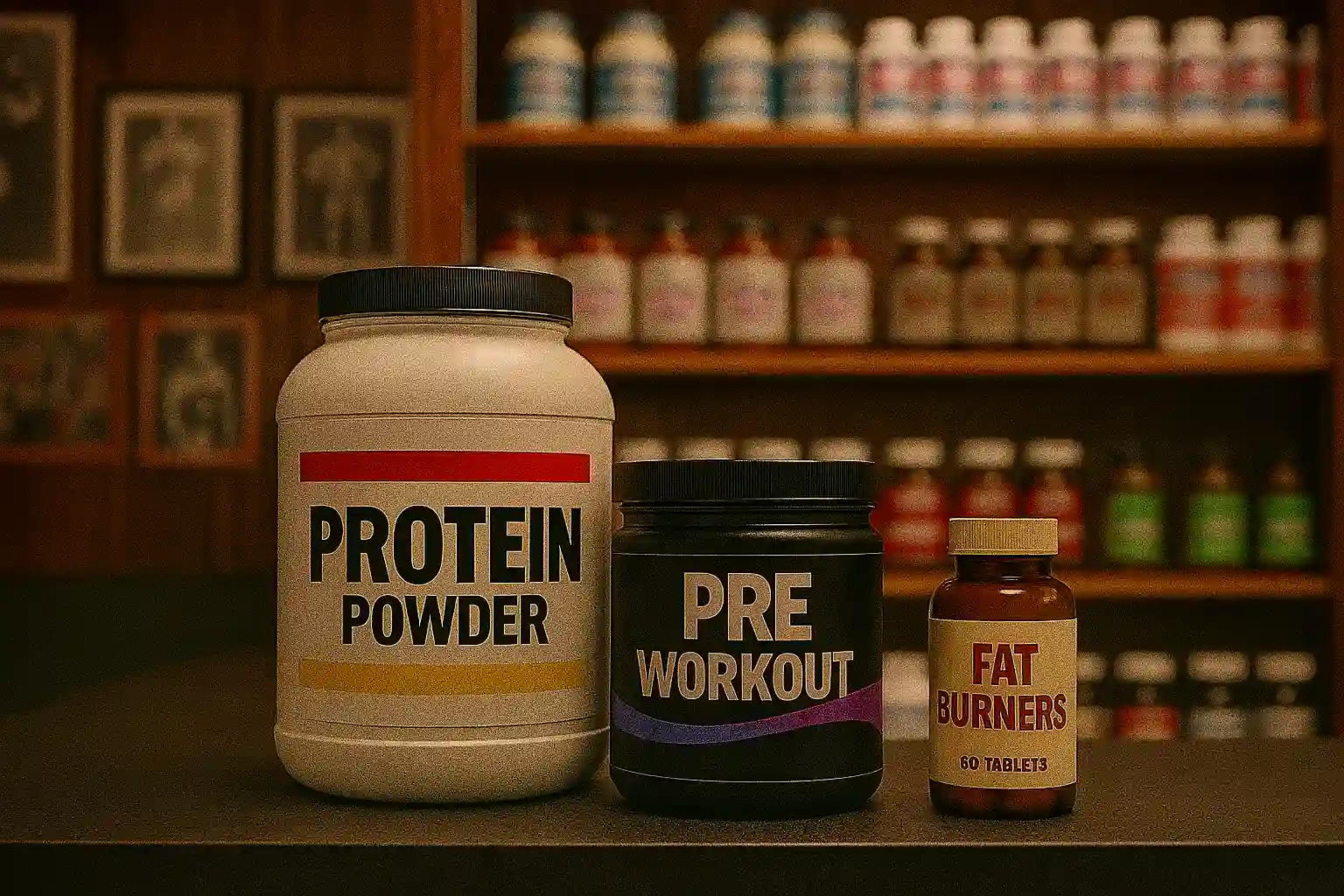

Below you’ll learn more about caffeine in supplements, good, bad and the ugly. Caffeine is one of the most widely used ingredients in supplements, known for its ability to boost energy, sharpen focus, and delay fatigue. From pre-workouts to fat burners and even some protein powders, caffeine plays a central role in how many products deliver results. But how much caffeine in supplements is too much, and when does it cross the line from performance enhancer to potential health risk?
Understanding the right amount of caffeine in supplements can help you get the benefits without the downsides. Whether you’re chasing an extra push in the gym or trying to stay alert during a long day, knowing your limits is key.
Why caffeine is used in supplements
Caffeine is popular in supplements because it stimulates the central nervous system. This leads to:
- Increased energy – making workouts feel easier and more explosive.
- Improved focus and alertness – helping you stay locked in during training sessions or mentally demanding tasks.
- Reduced perceived exertion – meaning you can train harder for longer.
- Enhanced fat burning – by increasing thermogenesis and mobilising fat for fuel.
These benefits make caffeine a go-to ingredient for both sports performance and weight management supplements.
Recommended daily caffeine intake
For healthy adults, the recommended safe daily limit of caffeine is up to 400mg. This includes caffeine from all sources, coffee, tea, energy drinks, pre-workouts, and other supplements.
To put this into perspective:
- 1 cup of brewed coffee: ~95 mg
- 1 can of energy drink: ~120–160 mg
- 1 scoop of pre-workout: 150–300 mg (sometimes more for high-stim pre workout supplements)
Many people don’t realise how quickly caffeine adds up when combining coffee, energy drinks, and supplement servings throughout the day.
When caffeine becomes too much
Going beyond the safe daily limit can increase the risk of side effects, including:
- Jitters, restlessness, and anxiety
- Increased heart rate or irregular heartbeat
- Digestive discomfort
- Trouble sleeping or insomnia
- Energy crashes once the stimulant wears off
Extremely high doses (over 1,000mg of caffeine per day) can lead to serious health risks and are not recommended.
Caffeine content in popular supplements
Here’s a quick guide to the typical caffeine ranges you’ll find in common supplement types:
| Supplement Type | Typical Caffeine Range per Serving |
|---|---|
| Pre-workout | 150–400mg |
| Fat burners / thermogenics | 200–350mg |
| Energy drinks | 100–200mg |
| Protein powders with added caffeine | 80–150mg |
Some high-stim pre-workouts supplements may push caffeine content to the upper limit in a single scoop, so always check the label before stacking products.
Tips to manage caffeine intake safely
- Track your daily total – add up all sources of caffeine (coffee, tea, supplements).
- Avoid late-night caffeine – to prevent sleep disruption.
- Cycle caffeine – consider taking breaks to avoid building tolerance.
- Listen to your body – if you feel anxious, jittery, or wired, scale back.
- Check serving sizes – some pre-workouts list caffeine per scoop but recommend up to 2 scoops.
Who should limit or avoid caffeine in supplements
Not everyone responds to caffeine the same way. Certain groups may need to limit or avoid it entirely, including:
- People with heart conditions or high blood pressure
- Those sensitive to stimulants or prone to anxiety
- Pregnant and breastfeeding women
- Anyone taking medications that interact with caffeine
Key takeaways
Caffeine in supplements can be a powerful ally when it comes to boosting energy, sharpening focus, and supporting fat‑burning, but like most things in nutrition, more isn’t always better. The key is balance and staying under the recommended daily limit of 400mg for healthy adults allows you to tap into the benefits without running into the common downsides like jitters, disrupted sleep, or energy crashes.
It’s important to remember that caffeine can sneak into your day from multiple sources, coffee, energy drinks, pre‑workouts, and even fat burners, so always check supplement labels carefully and keep track of your total intake.
By being mindful of how different products stack together, and adjusting based on your own tolerance, training demands, and lifestyle, you’ll be able to use caffeine as a tool rather than a crutch. Pair it with smart nutrition, hydration, and recovery strategies, and you’ll set yourself up not just for better workouts, but for sustainable progress and long‑term results.
