


Below you’ll learn how to choose a protein powder based on ingredients, not an easy task for some. But hopefully you’ll come away knowing a bit more when you reach the end. When you walk down the supplement aisle or scroll online, the sheer number of protein powders can be overwhelming. Each tub is plastered with claims of muscle growth, fast recovery, or being the “cleanest” option. But here’s the thing, your choice shouldn’t be about the flashiest label. The real key to choosing the right protein powder comes down to understanding the ingredients.
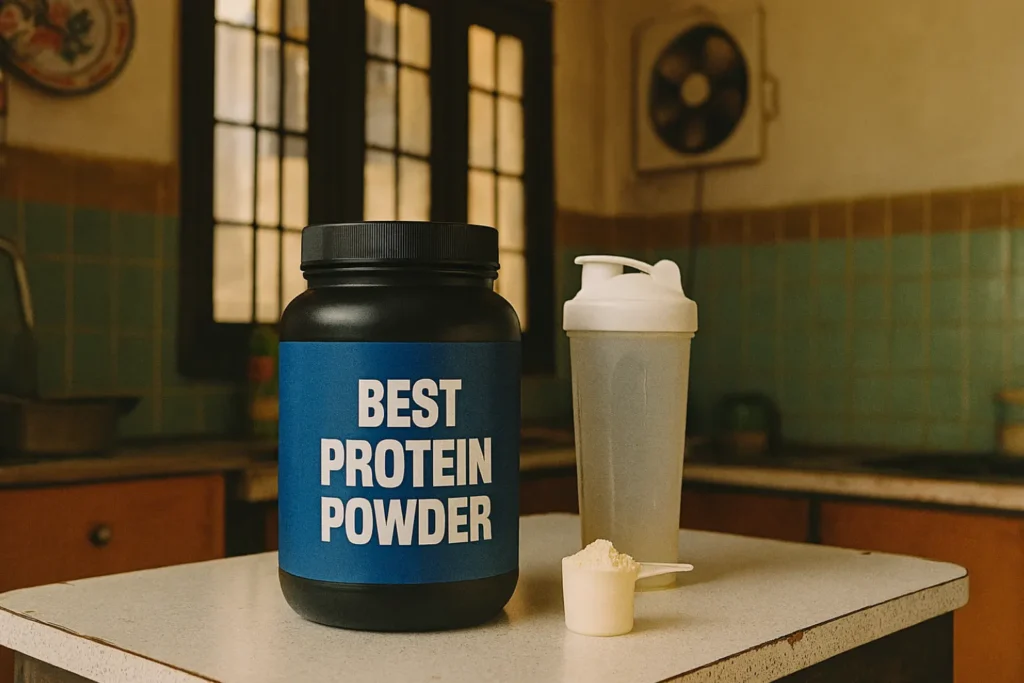
Not all protein powders are created equal, and knowing what to look for on the label makes all the difference. From the protein source itself to the extras like sweeteners, thickeners, or added performance boosters, each ingredient plays a role in how your body digests, absorbs, and benefits from the product. By breaking it down, you’ll be able to make smarter choices that actually align with your training, diet, and goals.
Protein source matters most
The first thing to look at when choosing a protein powder is the actual protein source. This is where the bulk of the nutrition comes from, and it determines how effective the product is for your needs. Whey protein is the most common option, praised for its quick absorption and high leucine content, making it great for muscle recovery. Plant proteins like pea, rice, and hemp are ideal if you’re vegan or have dairy intolerances, though they may benefit from being blended for a complete amino acid profile. Casein, on the other hand, digests slowly and works well for overnight recovery.
When comparing options, ask yourself: do you need fast recovery post-workout, steady release through the day, or a dairy-free solution? The answer will guide you toward the best protein source.
Check the additives and fillers
Protein powders often contain more than just protein, and this is where things can get tricky. Some brands pack their blends with thickeners, gums, or cheap fillers that don’t add value. Sweeteners, whether artificial like sucralose or natural like stevia are added for flavour, but they may not agree with everyone. Artificial colours and unnecessary bulking agents are other red flags that you don’t need in your daily shake.
Take the time to read past the protein content and see what else is in there. A shorter, cleaner ingredient list usually means fewer chances of bloating or digestive issues and more focus on delivering pure protein.
Look at the extras, when they matter
Some protein powders come with added ingredients like digestive enzymes, vitamins, minerals, or performance boosters such as creatine. These can be helpful, but only if they match your actual goals. Enzymes can improve digestion, while added electrolytes may benefit athletes training in hot conditions. Creatine might be useful if you’re focused on strength and power. However, these extras can also drive up the price of a product unnecessarily if you don’t need them.
Ask yourself if you really want an “all-in-one” supplement or if you’d prefer to stack ingredients separately. That decision comes down to budget and personal preference.
Don’t forget taste and mixability
It’s easy to overlook flavour and texture when focusing on nutrition, but if a powder tastes bad or clumps every time you shake it, you won’t stick with it. While taste is subjective, it’s worth checking reviews or starting with a smaller tub before committing. The best protein powder for you is one you’ll actually enjoy using daily.
Remember, consistency beats perfection. A great-tasting shake that keeps you on track is more valuable than a so-called “clean” powder that you can’t stomach.
Key takeaways
Choosing the right protein powder based on ingredients doesn’t have to feel overwhelming, it really comes down to understanding the ingredients and how they align with your goals. Start by focusing on the protein source itself, then scan the label for fillers or unnecessary additives, and consider whether extras like enzymes or creatine genuinely add value for you.
From there, taste and texture become just as important, since consistency is key to seeing results. By keeping these simple points in mind, you’ll land on a protein powder that not only supports your training but also fits seamlessly into your lifestyle.
If you want to explore some Protein Powder options, you can here – Protein Guy Best Protein Powder
