
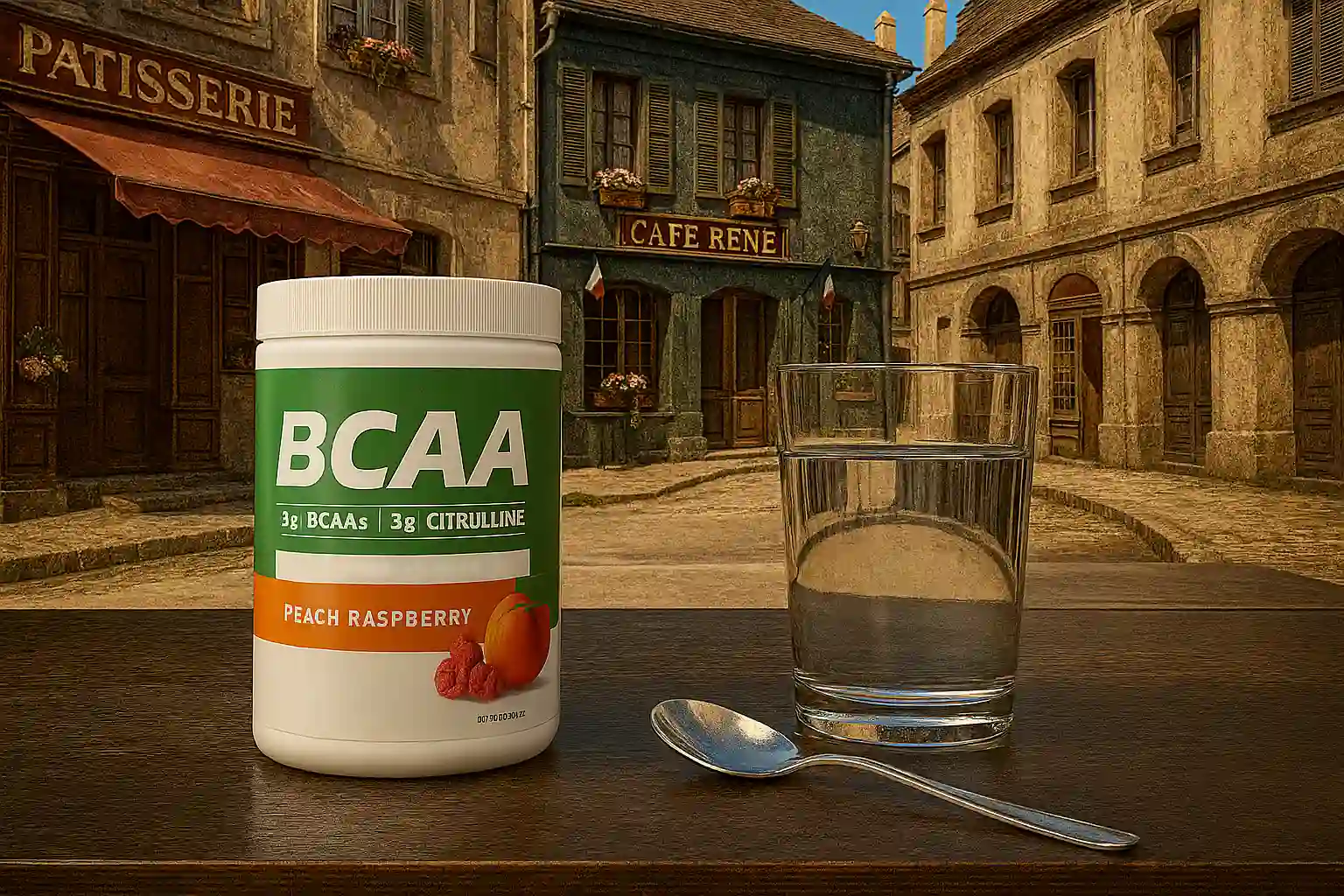

What are BCAAs, do you really need them? Read on and you’ll find out. When you hear people talk about supplements in the gym or fitness space, chances are BCAAs come up pretty quickly. BCAA stands for branched-chain amino acids, and they’ve been a staple in the supplement world for decades. The idea behind them is simple: by giving your body an extra supply of these specific amino acids, you’ll train harder, recover faster, and maybe even build more muscle. But like many supplements, the story isn’t quite that straightforward.
So, do you really need BCAAs? The answer depends on your diet, your training style, and your goals. Let’s break down what BCAAs are, how they work in the body, and whether adding them to your stack is worth it.
What are BCAAs?
BCAAs are a group of three essential amino acids: Leucine, Isoleucine, and Valine. They’re called essential because your body can’t make them on its own, you have to get them through food or supplements. Unlike other amino acids that are mainly processed in the liver, BCAAs are metabolised directly in your muscles, which is why they’re linked so strongly to exercise performance and recovery.
In simple terms, Leucine plays a key role in triggering muscle protein synthesis, Isoleucine helps with energy regulation and glucose uptake, and Valine supports muscle endurance. Together, they form a trio that has earned a reputation for supporting performance.
Where do you get BCAAs naturally?
You don’t necessarily need a supplement to get BCAAs. They’re found in plenty of protein-rich foods you probably already eat. Good sources include:
- Meat and poultry – chicken, beef, and pork are all loaded with BCAAs.
- Fish – tuna, salmon, and cod offer a high BCAA content alongside other nutrients.
- Eggs and dairy – milk, cheese, and eggs are classic high-protein staples that provide BCAAs.
- Plant-based proteins – soy, beans, lentils, nuts, and seeds also contain decent amounts, making them great options for vegans and vegetarians.
If you’re already eating a diet rich in these foods, chances are you’re getting plenty of BCAAs without even thinking about it
Do BCAAs improve performance and recovery?
This is where the debate comes in. Research suggests that BCAAs can help reduce muscle soreness and support recovery after intense training. They may also help prevent muscle breakdown during long periods of exercise or fasting, which is why endurance athletes sometimes use them as well..
However, the catch is that if you’re already consuming enough protein in your diet, particularly from complete protein sources like whey, meat, or soy, you’re already getting all the BCAAs your body needs. In that case, a standalone BCAA supplement may not add much benefit.
Who might benefit most from BCAA supplements?
While not essential for everyone, there are some situations where BCAA supplements can be useful:
- Vegans and vegetarians – since plant proteins sometimes have lower levels of leucine, topping up with BCAAs may help.
- Athletes training fasted – if you train early in the morning without eating first, BCAAs may reduce muscle breakdown.
- Endurance athletes – during long sessions, they can be a quick and light option to help with fatigue and recovery.
- Those with low protein intake – if you struggle to hit daily protein targets, BCAAs can fill the gap.
Are they worth adding to your stack?
If you’re already meeting your protein needs through food or a quality protein powder, BCAAs are unlikely to provide much extra benefit. On the other hand, if you fall into one of the groups above, they can be a handy tool to support performance and recovery.
In practice, it comes down to context. BCAAs are not a magic bullet, but they can play a role in fine-tuning your nutrition, especially if your diet or training style leaves a gap.
Key takeaways
BCAAs, Leucine, Isoleucine, and Valine are three essential amino acids that play a key role in supporting energy, recovery, and muscle growth. They’re naturally present in protein‑rich foods like meat, dairy, and legumes, which means most people already get an adequate amount through a balanced diet. While BCAA supplements can provide a convenient boost, they’re not a magic bullet. Their real value tends to show up in specific scenarios such as vegan or vegetarian diets where protein variety may be limited, during fasted training sessions when muscle breakdown risk is higher, or in long endurance events where maintaining energy and reducing fatigue becomes critical.
For the average gym‑goer who consistently meets their daily protein needs, BCAAs are more of a “nice to have” than a “must have.” If your nutrition is dialed in and you’re already hitting your protein targets, you’re likely covering your BCAA requirements without needing to spend extra on a standalone supplement.
That said, some people enjoy the ritual of sipping on a flavoured BCAA drink during training, and if it helps you stay hydrated and motivated, there’s no harm in it. Ultimately, BCAAs can be a useful tool in certain contexts, but they’re best seen as a complement to, not a replacement for a solid diet and overall protein intake.
Want to buy some BCAA Supplements, either powder, capsule or tablet form, you look for local at a store near you here – Find a Supplement Store Or you can have a Quick Look on Amazon here – Find BCAA Supplements
