
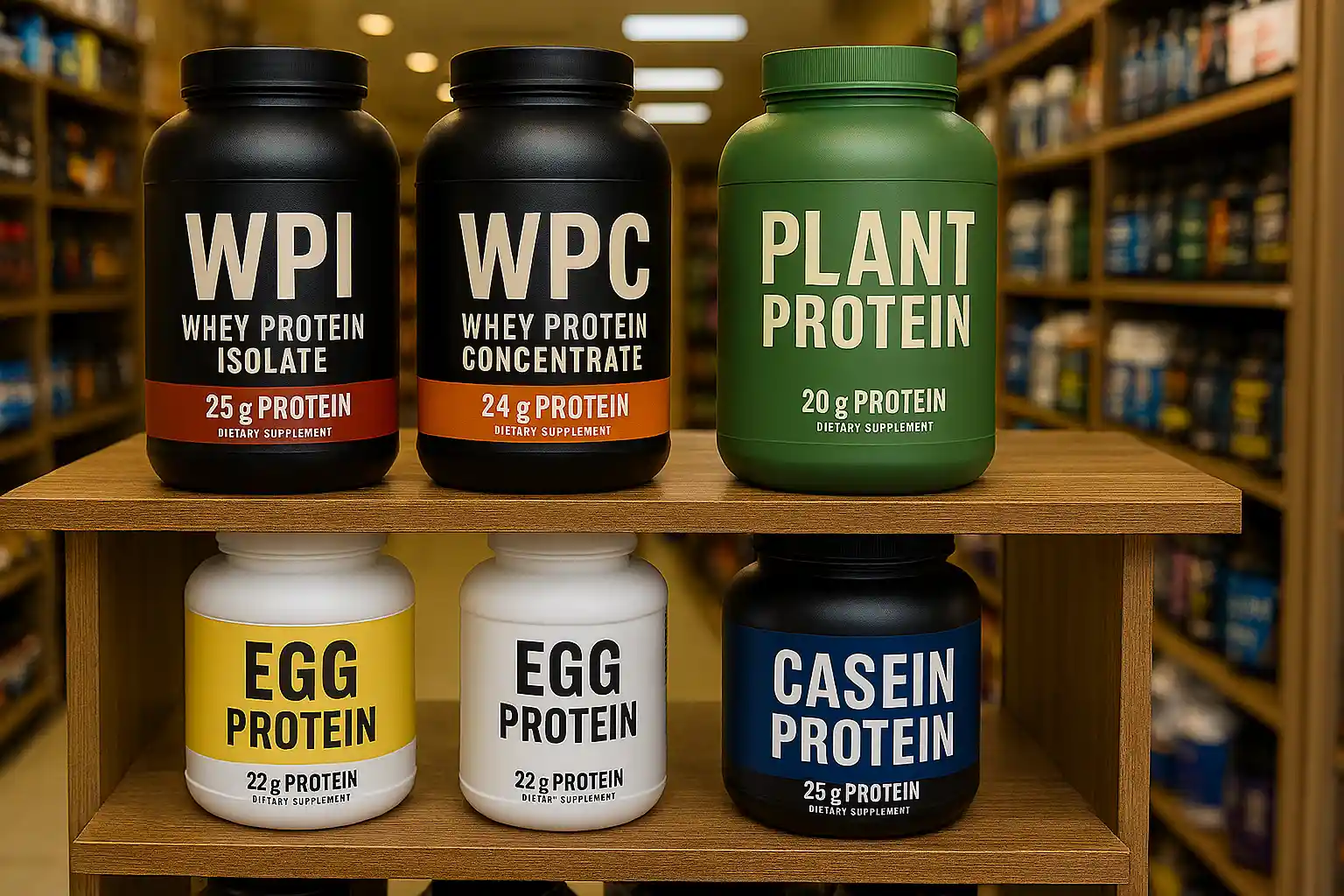

Are you new to protein? This beginners guide to protein supplements will help you understand and make the right choices before spending your hard earned. Protein supplements are one of the most popular nutrition products in the world. Whether you’re training hard in the gym, trying to lose fat, or just looking to boost daily protein intake, they provide a simple, fast, and effective way to support your goals.
This guide will break down what protein supplements are, the different types available, how to use them, and what to watch for when buying. If you’re new to the world of supplements, this is your starting point.

What are protein supplements?
Protein supplements are concentrated sources of protein designed to help you meet your daily intake needs. They’re most commonly used by gym-goers, athletes, and people who struggle to get enough protein from food alone.
Here’s what makes protein supplements popular:
- Provide a convenient source of high-quality protein
- Support muscle repair and recovery
- Assist with strength and lean muscle growth
- Help with satiety, making it easier to manage weight
Types of protein supplements
Not all protein powders are the same. Each type has different benefits depending on your goals and diet.
Here are the main types you’ll come across:
- Whey protein – Fast-digesting, complete protein rich in essential amino acids; ideal post-workout.
- Casein protein – Slow-digesting; useful before bed for overnight muscle repair.
- Plant-based protein – Options like pea, rice, or soy protein; ideal for vegans or those with dairy intolerance.
- Egg protein – High in leucine and digestion-friendly; great for people avoiding dairy.
- Blends – A combination of fast and slow-digesting proteins, giving flexibility and balanced absorption.
Benefits of protein supplements
While it’s always best to get protein from whole foods first, our beginners guide to protein supplements shows how the right products can help fill nutritional gaps with ease.
Here’s why so many people add them to their diet:
- Muscle growth – Supports muscle protein synthesis for strength and size.
- Recovery – Reduces muscle breakdown and speeds up repair after training.
- Convenience – Quick and portable, especially when life gets busy.
- Weight management – Keeps you fuller for longer and helps maintain lean mass during fat loss.
- Diet support – Helps people who struggle with appetite or dietary restrictions meet protein goals.
How to choose the right protein supplement
With so many options on the shelf, knowing what to look for makes a big difference.
When choosing a protein powder, keep these points in mind:
- Protein content – Aim for at least 20–30g of protein per serve.
- Ingredients – Avoid products with fillers, added sugar, or unnecessary additives.
- Dietary needs – Pick plant-based or lactose-free options if you have intolerances.
- Digestibility – Look for added digestive enzymes or hydrolysed forms if you have gut issues.
- Price per serve – Work out cost efficiency, not just tub price.
When and how to use protein supplements
Timing and usage depend on your lifestyle and training goals, and as our beginners guide to protein supplements explains, these products aren’t just for bodybuilders, they can be a practical addition to most diets, helping fill nutritional gaps and support everyday performance.
Here are common times and ways to use them:
- Post-workout – Fast recovery and muscle support.
- Between meals – Easy way to hit protein targets.
- Meal replacement – Combine with oats, fruit, or nut butter for a balanced shake.
- Before bed – Slow-digesting protein like casein to fuel recovery overnight.
- On the go – Quick solution when cooking isn’t possible.
Common mistakes beginners make
It’s easy to go wrong when first starting out with protein supplements, which is why our beginners guide to protein supplements is designed to help you avoid common mistakes and make confident, informed choices from day one.
Avoid these common pitfalls:
- Relying only on shakes – Supplements should add to, not replace, real food.
- Overdoing it – Too much protein can be wasteful or cause digestive discomfort.
- Ignoring ingredients – Watch out for added sugar, artificial colours, or poor-quality fillers.
- Skipping consistency – One shake won’t make a difference; results come from daily use.
- Not aligning with goals – Different proteins suit different needs (fat loss, muscle gain, recovery).
Frequently asked questions
Do I really need protein supplements?
Not always. If you can hit your protein goals through whole foods, you don’t need them. They’re most useful for convenience.
Can I take protein if I’m not working out?
Yes, it’s safe. Protein supplements can help with weight management and overall nutrition.
How much protein do I need each day?
Most active people need between 1.6–2.2 grams of protein per kilogram of body weight.
Are protein powders safe?
Yes, when taken as recommended. Just make sure to choose reputable brands with transparent labelling.
What’s the best protein for beginners?
Whey protein is the most versatile and cost-effective choice, but plant-based blends are excellent alternatives.
Takeaways from the beginners guide to protein supplements
Now that you’ve seen the different types, benefits, and uses of protein supplements, here are the essential points to remember. Whether you’re just starting out or refining your routine, our beginners guide to protein supplements is designed to help you make smart, confident choices. Use it as your go-to reference for understanding what works, what to avoid, and how to fit protein into your lifestyle with ease.
Here’s some of the essential points to remember:
- Protein supplements are a convenient way to meet daily protein needs.
- Whey protein is the most common and versatile choice, but there are options for every diet.
- They support muscle growth, recovery, and weight management.
- Supplements should complement, not replace, whole food.
- Choosing the right product depends on protein content, ingredients, and personal dietary needs.
That wraps up our beginners guide to protein supplements, but it’s just the start for you. There’s plenty more to explore here at Protein Guy, from deep dives and expert tips to product reviews and practical tools to fuel your journey. Maybe your next read should be this, Best Protein Powders, if you’re looking to make a purchase int he future.
